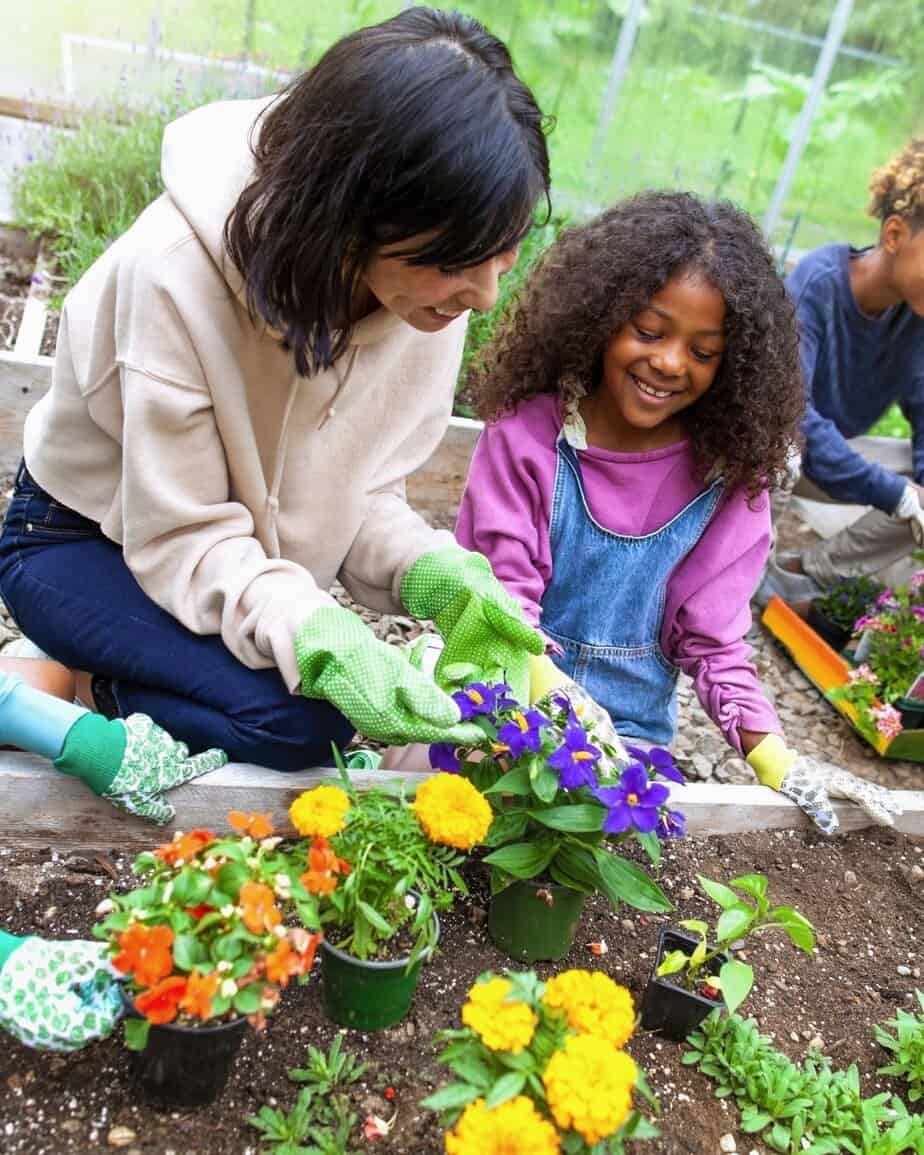
One of the biggest misconceptions about garden design is that a garden should feel finished. Perfectly styled. Locked in. Done. In reality, the most successful gardens are the ones that evolve alongside the people who live with them.
That’s why emphasising flexible garden design is crucial for creating spaces that last, adapt, and continue to feel right as your life changes, keeping you engaged and inspired. Families grow. Priorities shift. Gardens designed with flexibility in mind will support those changes, making you feel confident in your choices.

Why Designing a Garden That Grows With You Matters
Gardens aren’t static spaces, even though they’re often treated that way. What you need from your outdoor space today may look very different in five or ten years.
Designing a garden that grows with you means planning beyond the immediate moment and allowing room for life to unfold.
A garden that adapts can move with different life stages: from young families and busy schedules to quieter moments, changing mobility, or a desire for lower maintenance.
When flexibility is built into the design, the garden doesn’t need constant reworking. It simply evolves naturally. This approach also takes pressure off. Instead of chasing perfection, the focus shifts to longevity, comfort, and ease.
Designing a Garden That Grows With You, Not Against You
One of the biggest mistakes people make is designing a garden for a snapshot of their life. A space that looks incredible but requires constant upkeep, or one that suits entertaining now but doesn’t allow for quieter, everyday use later on.
Designing a garden that grows with you means asking deeper questions:
- How might this space need to function differently in the future?
- Which areas could change purpose over time?
- Where can flexibility be built in without compromising beauty?
Multi-purpose zones are a great example. A lawn area for children might later become a relaxed garden room.

A dining space could one day transition into a shaded retreat. When the bones of the garden are thoughtful, these shifts happen naturally

Plant Choices That Support a Garden That Grows With You
Plants play a huge role in how adaptable a garden feels. Some planting schemes look amazing initially, but quickly become high-maintenance or overcrowded. Others mature beautifully and require less input over time.
Designing a garden that grows with you means selecting plants that age well. Trees that provide increasing shade
over time, shrubs that offer structure even as seasonal plants come and go, and perennials that quietly return each year without demanding attention. This approach helps you feel confident in your choices and reassures you that your garden can adapt over time. It’s also about allowing room for change.
Leaving space for future planting, experimentation, or personal additions keeps the garden feeling alive rather than locked in. Gardens should be allowed to grow, shift, and surprise you.
Flexibility Over Perfection in Garden Design
Perfection can be surprisingly limiting. Gardens designed to look flawless often leave little room for real life.
Muddy shoes, children’s toys, pets, spontaneous gatherings; these things are part of living, and gardens should accommodate them without stress.
Designing a garden that grows with you embraces imperfection.

It allows for wear, seasonal changes, and evolving use. Materials that age gracefully, layouts that aren’t precious, and planting that softens rather than demands constant control all contribute to a garden that feels welcoming and forgiving. This mindset helps you feel at ease and less stressed about maintaining perfection in your outdoor space.

Having a Garden That Grows With You Throughout Your Life
One of the most powerful aspects of thoughtful garden design is its ability to support various life stages.
It allows your outdoor space to transition smoothly from energetic play areas to peaceful retreats, encouraging ongoing engagement along the way.
Early on, this might mean open areas for play and
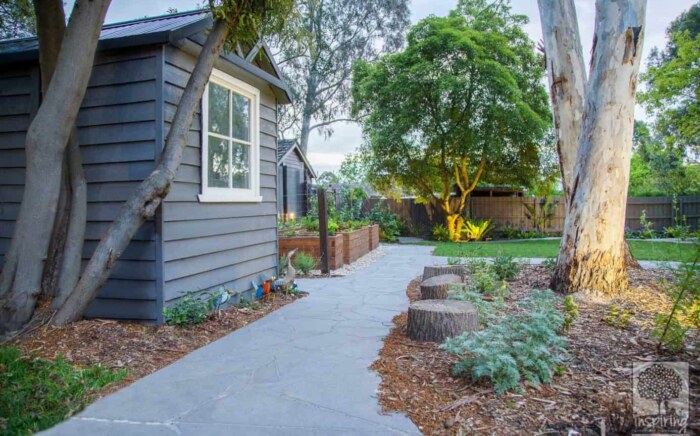
movement. Later, it could shift towards seating, shade, and ease of access. Path widths, surface choices, and planting density all influence how usable a garden remains as needs change. Designing a garden that grows with you ensures the space remains supportive rather than needing to be “fixed” later.

Low-Maintenance Choices That Age Well
As time goes on, most people want less work, not more. Gardens that demand constant attention can quickly become a burden, especially as schedules fill or priorities shift.
Designing a garden that grows with you means anticipating this. Choosing low-maintenance plants, efficient irrigation, and sensible layouts creates a garden that becomes easier to manage, not harder.
Over time, this allows the garden to feel like a retreat rather than another task on the list. A well-designed garden often reaches a point where it largely looks after itself, and that’s where the real magic happens.
Allowing Your Garden to Naturally Evolve
One of the most rewarding things about gardening is watching change happen slowly. Plants mature. Trees cast new patterns of shade. Spaces begin to feel familiar and lived-in.
Designing a garden that grows with you allows for this evolution rather than fighting it. Instead of constantly redesigning or replacing, you’re refining, adjusting, and responding.

This creates a deeper connection to the space and a sense of continuity that’s hard to replicate with frequent overhauls. Gardens that evolve naturally tend to feel more personal, more grounded, and more meaningful.
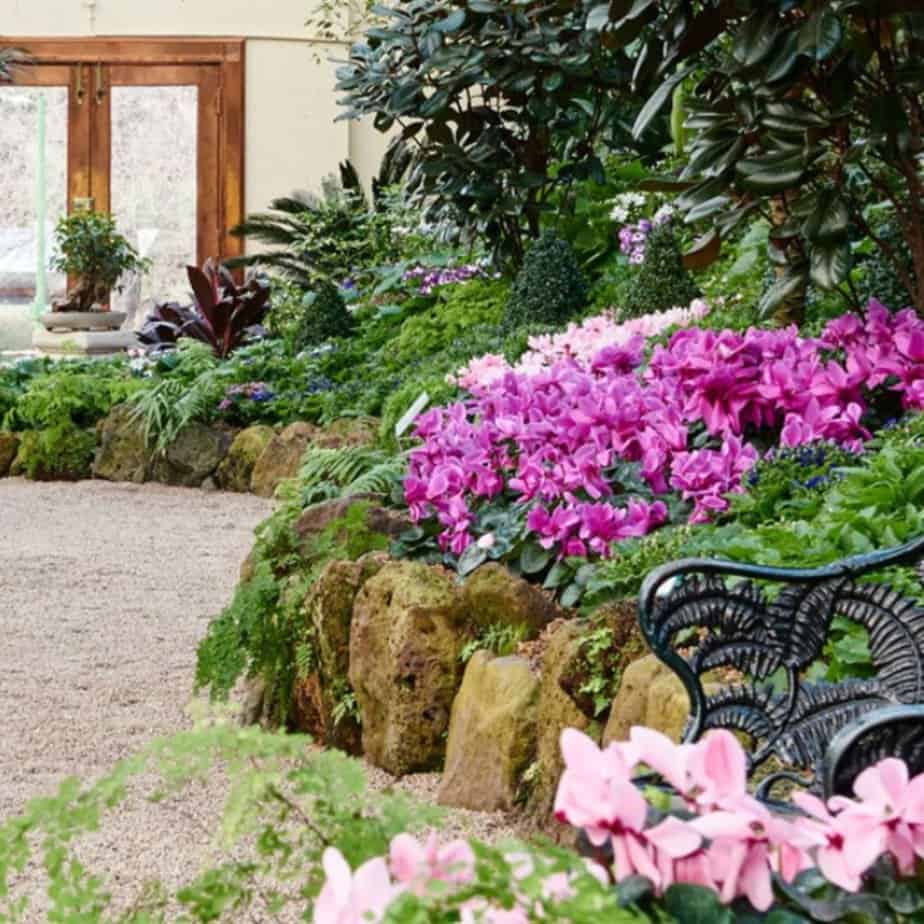
A Garden That Supports You Long Term
At its core, designing a garden that grows with you is about respect; for time, for lifestyle, and for change.
It’s about creating a space that doesn’t peak once and fade, but continues to support you as life shifts around it.
When gardens are designed this way, they become companions rather than projects. They hold memories, adapt quietly, and remain relevant long after trends pass, fostering loyalty and attachment to your outdoor space.
And that’s what truly great garden design does. It doesn’t just look good for a moment; it grows alongside you, season after season.





Leave a Comment