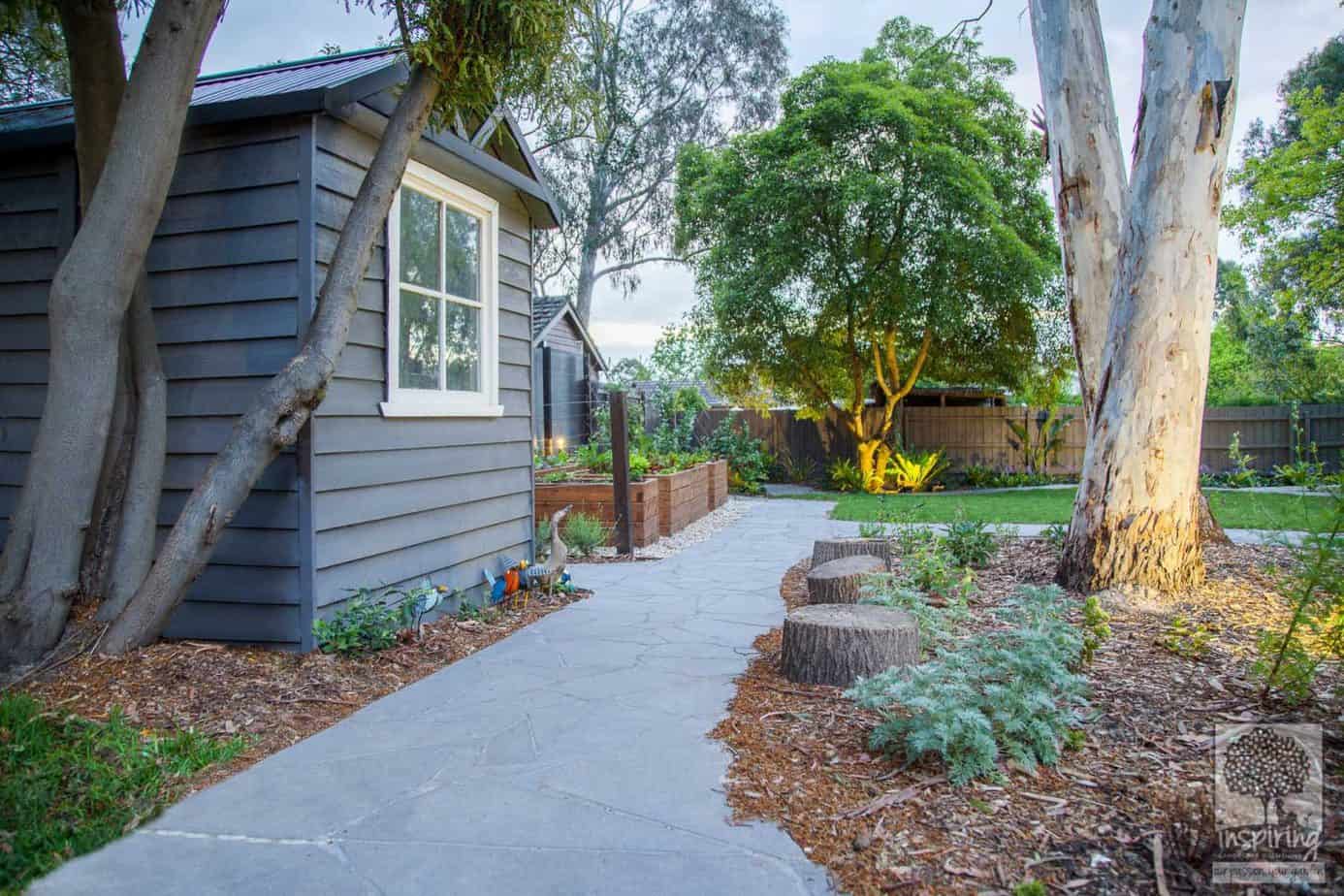
Summer has a funny way of telling the truth. When the heat lingers, the sun is relentless, and outdoor spaces are used daily. What worked on paper doesn’t always work in practice, and suddenly, those summer garden problems you didn’t notice before are impossible to ignore.
Late summer is actually one of the best times to assess your garden. Not to criticise it, but to learn from it. Every struggling plant, overheated corner, or unused space is offering valuable insight into how your garden really functions. Let’s take a closer look at what summer often reveals about your garden, and how you can use those lessons to improve it before next season rolls around.

Summer Garden Problems Often Show Up First in the Plants
One of the clearest indicators of summer garden problems is plant performance. By late summer, observing which plants are thriving or struggling helps you focus on specific issues that need attention, guiding your next steps effectively.
Plants that are constantly wilting, scorching, or dropping leaves may be in the wrong place.
Too much afternoon sun, poor soil preparation, or insufficient airflow can all take their toll. On the other hand, plants that look lush with minimal effort are giving you clues about what truly suits your microclimate.
Rather than replacing everything immediately, observe. Noticing which plants cope with heat and attract wildlife can boost your confidence in making informed choices, empowering you to improve your garden.
What Summer Reveals About Garden Design Mistakes
Summer has a way of exposing garden design mistakes that often go unnoticed during cooler months.
When temperatures rise and the sun is relentless, design flaws become obvious feedback, showing you exactly where improvements are needed.
A path that felt fine in winter may suddenly be uncomfortably hot to walk on. A seating area that looked beautiful on paper might be avoided entirely because it offers no relief from the heat.
Summer reveals whether materials absorb too much heat, whether spaces feel exposed, and whether
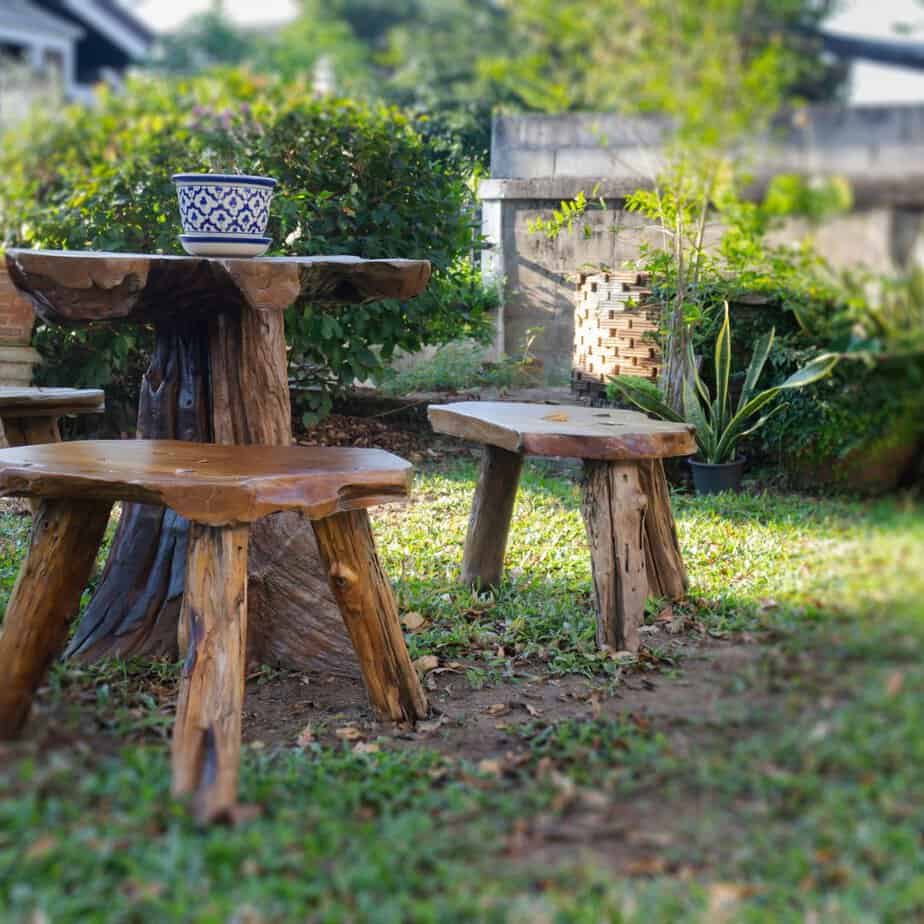
circulation works when people are using the garden more frequently. These summer garden issues aren’t about poor decisions; they’re about gaining clarity. Recognising what needs adjusting can make you feel capable of creating a better, more functional garden.

Summer Garden Problems and the Lack of Shade
Few summer garden problems are as immediately noticeable as the lack of shade.
When there’s nowhere comfortable to escape the sun, even the most beautifully designed garden can feel unusable for large parts of the day.
Summer quickly highlights which areas desperately need protection from harsh afternoon sun and which spaces could benefit from filtered or dappled shade instead.
Shade is more than a comfort feature; it’s a design essential.
Without it, plants struggle, soil dries out faster, and outdoor living areas lose their appeal. Summer shows you exactly where shade is missing, whether that’s over dining areas, near pools, along walkways, or beside the house itself. This insight allows for more informed decisions moving forward.
Trees, pergolas, shade sails, or layered planting can all play a role, and summer helps determine what type of shade is most effective in each part of the garden. Strategically designed shade creates spaces that are not only cooler but also more inviting year-round.
Water Use: A Key Indicator of Summer Garden Issues
High water demand during summer is often a sign of underlying garden problems. Observing which areas need constant watering helps you identify deeper issues, such as unsuitable plants or poor soil, guiding smarter long-term choices.
Summer puts pressure on every element of the garden, making it obvious where water is being wasted or poorly managed.
You might notice some areas drying out far quicker than others, or plants that never seem satisfied, no matter how often they’re watered. These patterns are valuable clues.

By observing water use in summer, you can feel more resourceful and responsible. Making smarter choices about soil and plants helps you create a sustainable, easier-to-maintain garden.
How Summer Reveals the Way You Actually Use Your Garden
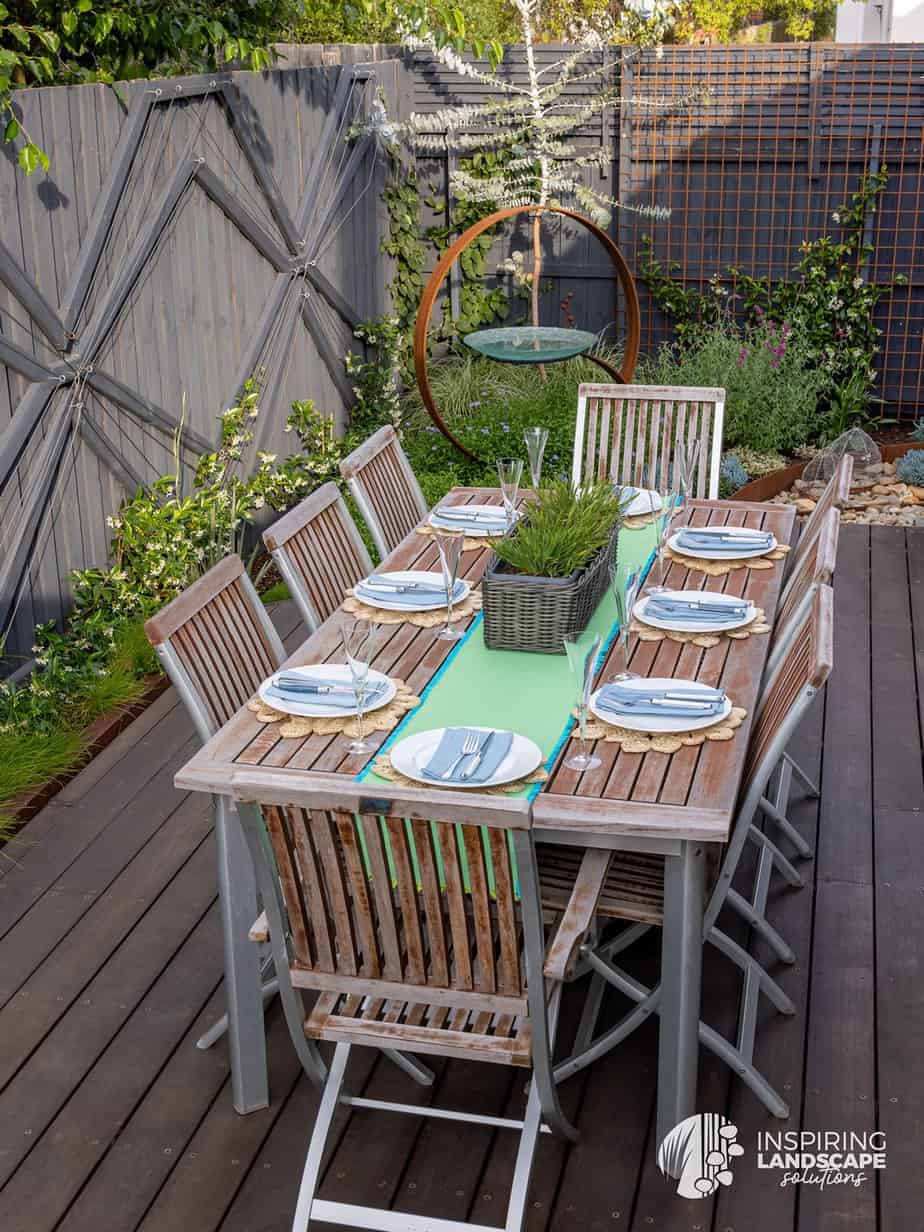
One of the most insightful things summer reveals is how you truly use your garden, not how you thought you would use it.
During summer, outdoor spaces become an extension of daily life, whether that’s entertaining, relaxing, or simply spending more time in the garden.
You may notice that certain areas naturally become favourites, while others are consistently ignored. This could be due to comfort, light, proximity to the house, or even subtle things like breeze or privacy.
These usage patterns often reveal summer garden problems with layout, flow, or functionality. Understanding how people actually interact with the space is invaluable. It allows future changes to be guided by real behaviour rather than assumptions.
Enhancing well-used areas and reworking underutilised ones leads to gardens that feel intuitive, welcoming, and genuinely aligned with lifestyle.
Fixing Summer Garden Issues Start With Observation
The most effective way to fix summer garden problems isn’t to rush into changes; it’s to slow down and observe.
Late summer provides a clear picture of how the garden performs under stress, offering insights that no plan or initial design phase can fully predict.
Pay attention to where plants struggle, where shade falls at different times of day, and which spaces feel comfortable or uncomfortable.
Take photos, make notes, and track patterns over several weeks. These observations create a strong foundation

for informed decisions later in the year. By using summer as an assessment period rather than a reaction phase, improvements become more targeted and meaningful. The result is a garden that evolves thoughtfully; one that responds to real conditions and grows stronger, more resilient, and more enjoyable with time.
Turning Summer Insights Into Better Garden Design
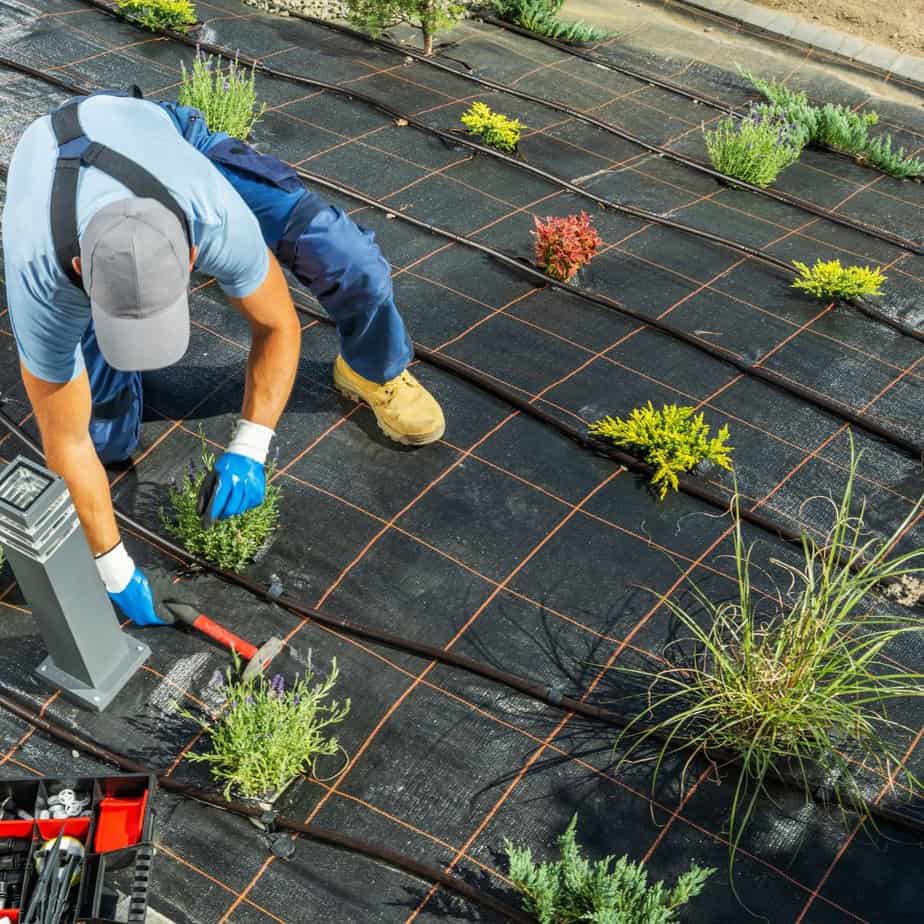
Summer reveals what needs refining, inspiring you to make thoughtful design changes that can transform your garden into a more enjoyable space.
By addressing heat management, plant suitability, water efficiency, and how spaces are used, you can transform summer challenges into long-term strengths.
Each adjustment brings your garden closer to being not just beautiful, but functional, comfortable, and resilient.
Late summer isn’t the end of the gardening season; it’s a moment of clarity. One that shows you exactly what your garden needs next.






Leave a Comment