• Home
    Home
  • Main Portfolio
    Main Portfolio
  • MIFGS 2023
    MIFGS 2023
  • MIFGS 2024
    MIFGS 2024
  • About Us
    About Us
  • Our Process
    Our Process
  • Services
    Services
    • Custom Design
      Custom Design
      • Feng Shui Garden Design
        Feng Shui Garden Design
    • Design Implementation
      Design Implementation
    • Construction & Maintenance
      Construction & Maintenance
    • DIY – DesignedBliss4U
      DIY – DesignedBliss4U
    • Other Services
      Other Services
      • Staging for sale
        Staging for sale
      • Productive gardens
        Productive gardens
      • Rejuvenation projects
        Rejuvenation projects
  • Design Fees & Packages
    Design Fees & Packages
  • Media Publications
    Media Publications
  • Design Resources
    Design Resources
    • FAQs
      FAQs
    • Why use a designer?
      Why use a designer?
    • Ebooks & Videos
      Ebooks & Videos
    • Blog
      Blog
    • Before & After – Glen Waverley Garden Design
      Before & After – Glen Waverley Garden Design
    • Before & After – Blackburn Garden Design
      Before & After – Blackburn Garden Design
    • Before & After – Hawthorn Garden Design
      Before & After – Hawthorn Garden Design
    • Case study – Water Features
      Case study – Water Features
    • Case Study – Productive Garden Design
      Case Study – Productive Garden Design
    • Case study – Vertical Gardens
      Case study – Vertical Gardens
    • Case Study – Vegetable patches
      Case Study – Vegetable patches
    • Case Study – Soil testing
      Case Study – Soil testing
  • Contact Us
    Contact Us
  • Home
    Home
  • Main Portfolio
    Main Portfolio
  • MIFGS 2023
    MIFGS 2023
  • MIFGS 2024
    MIFGS 2024
  • About Us
    About Us
  • Our Process
    Our Process
  • Services
    Services
    • Custom Design
      Custom Design
      • Feng Shui Garden Design
        Feng Shui Garden Design
    • Design Implementation
      Design Implementation
    • Construction & Maintenance
      Construction & Maintenance
    • DIY – DesignedBliss4U
      DIY – DesignedBliss4U
    • Other Services
      Other Services
      • Staging for sale
        Staging for sale
      • Productive gardens
        Productive gardens
      • Rejuvenation projects
        Rejuvenation projects
  • Design Fees & Packages
    Design Fees & Packages
  • Media Publications
    Media Publications
  • Design Resources
    Design Resources
    • FAQs
      FAQs
    • Why use a designer?
      Why use a designer?
    • Ebooks & Videos
      Ebooks & Videos
    • Blog
      Blog
    • Before & After – Glen Waverley Garden Design
      Before & After – Glen Waverley Garden Design
    • Before & After – Blackburn Garden Design
      Before & After – Blackburn Garden Design
    • Before & After – Hawthorn Garden Design
      Before & After – Hawthorn Garden Design
    • Case study – Water Features
      Case study – Water Features
    • Case Study – Productive Garden Design
      Case Study – Productive Garden Design
    • Case study – Vertical Gardens
      Case study – Vertical Gardens
    • Case Study – Vegetable patches
      Case Study – Vegetable patches
    • Case Study – Soil testing
      Case Study – Soil testing
  • Contact Us
    Contact Us
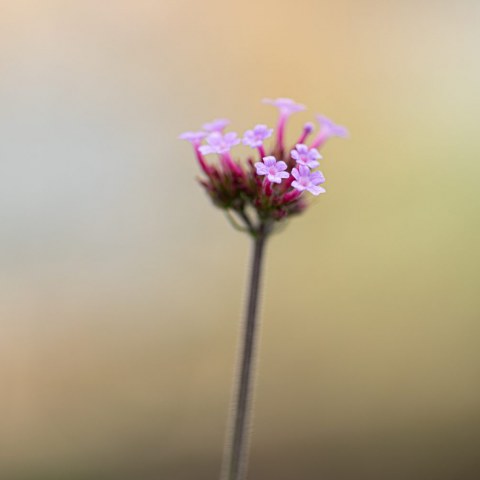
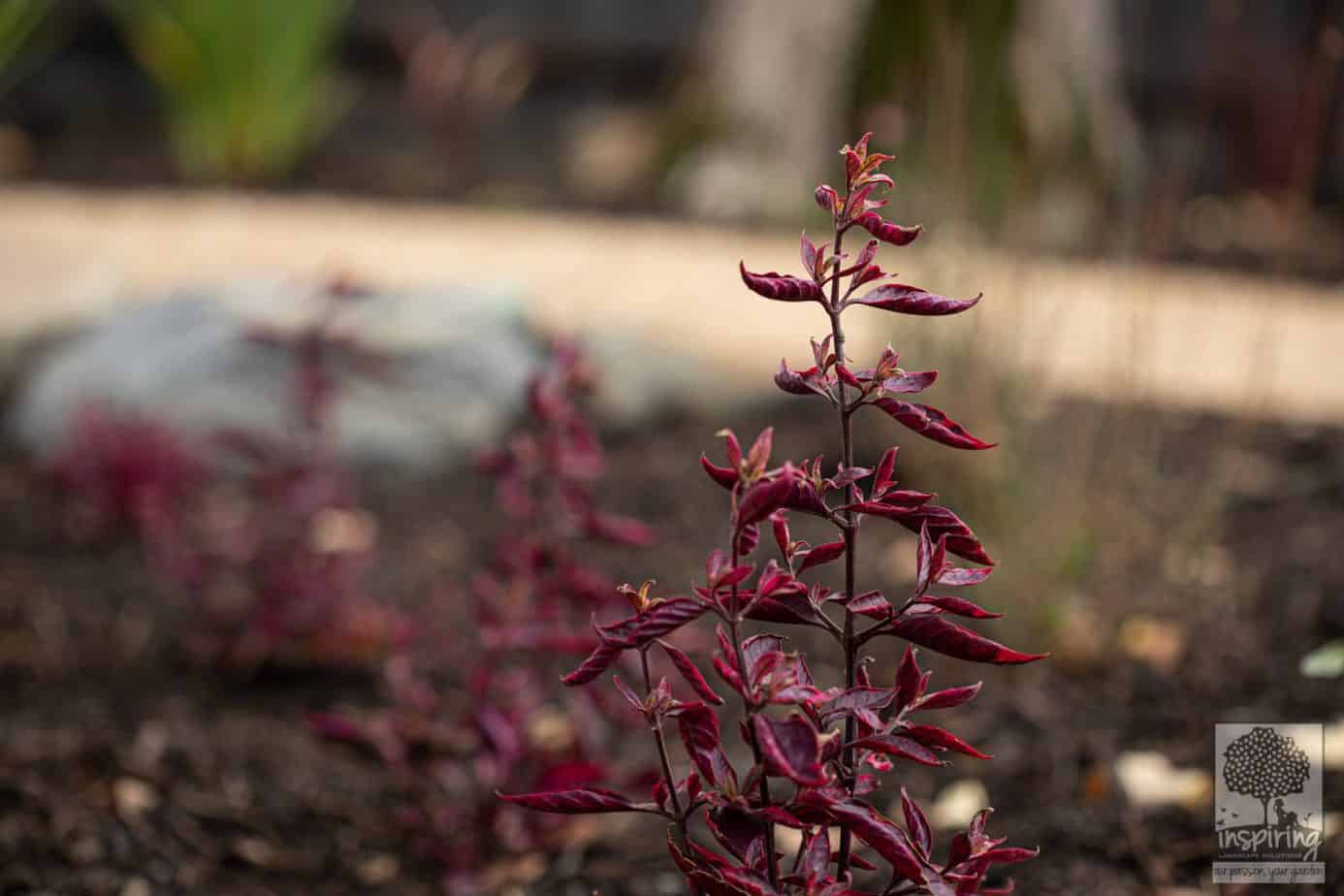
Close up of purple shrub in Burwood landscape design by Parveen Dhaliwal

Choosing plants for your garden

May 3, 2020
-
Biophilia, Gardens for Life, Landscape Design, Landscaping, Maintenance, Plants, Seasonal tips
-
Posted by Parveen

Creating a Planting Plan

So you’ve landed upon a theme for your dream garden and it’s got you so excited that you’ve already decided on the hard materials, accessories, and layout for this oasis.

The next step is – many would say – the most fun part. Choosing your plants! But how do you work out what plants to put in and where they should go?

You’ve come to the right person!

Here are my best-kept secrets.

Do your research

Before making a trip to the nearest nursery and grabbing the most beautiful plant you see, it’s important to take certain things into consideration. Most notably, these include:

  1. Your needs
  2. Your family’s and pet’s needs
  3. Your site conditions
  4. The plant’s requirements – what it needs to thrive
  5. Any potential allergies affecting your family or pets
  6. The effect you want to create!

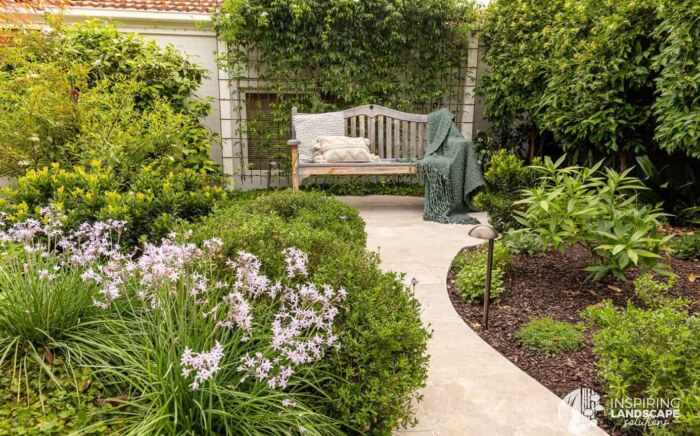
Balcony garden
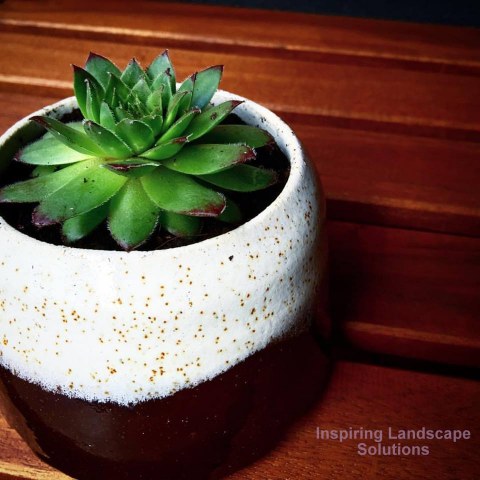
Image Not Found On Media Library

Burwood

Image Not Found On Media Library

Burwood

Image Not Found On Media Library

Vermont South A

Image Not Found On Media Library

Hawthorn East Rear Courtyard

Image Not Found On Media Library

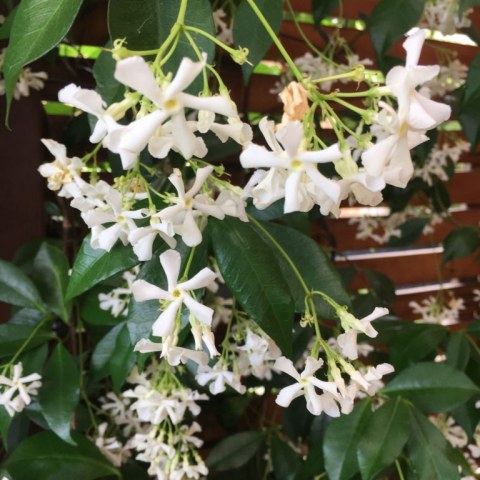
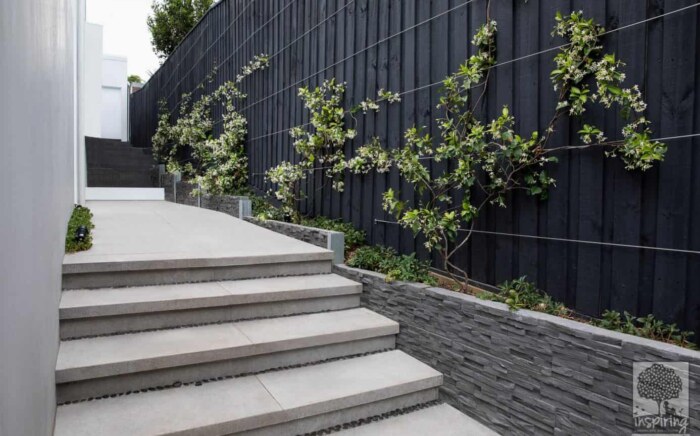
Chinese Star Jasmine - Vermont South

Image Not Found On Media Library

All of these considerations may seem daunting to go through but I assure you that all the time and effort that goes into it will pay off dividends!

Now, what do I mean by your needs?  Think aesthetically and functionally.  Consider whether you’re able to maintain the plant and whether you’ll like the look of the plant when it is mature.

Do you have pets that dig or children that still put things into their mouths?  If so, then consider how toxic the plants are to them if ingested or if the sap gets onto their skin or eyes.  There are resources available on this topic from various pet welfare websites and also from some local government agencies.  If you are unsure, give me a call and I can pop over and discuss!

Site conditions.  Refer to the next section too for some tips.

Plant’s requirements.  This is probably the trickiest bit if you’re not comfortable or familiar with many plants.  Spend more time on this aspect and thoroughly research the plant and its needs to thrive!

Allergies are a tricky one.  I get asked a lot whether a particular plant will cause hayfever/asthma or dermatitis.  There is little guidance out there but it is good to have a go and read up on this.  An example would be to research the grass you are buying, if you are intending to roll around in it with your kids or your pet dogs!  From experience, I’ve had a few clients to to suppliers I have suggested to them and have confirmed that they are sensitive to many of the grasses in the market!

Effect.  Well, think garden style.  Do you want a tropical garden?  Or something whimsical?  Better still, you need all your favourite plants in your garden so think about how you place them next to each other and how they are going to look like all grown up!

Vermont South A
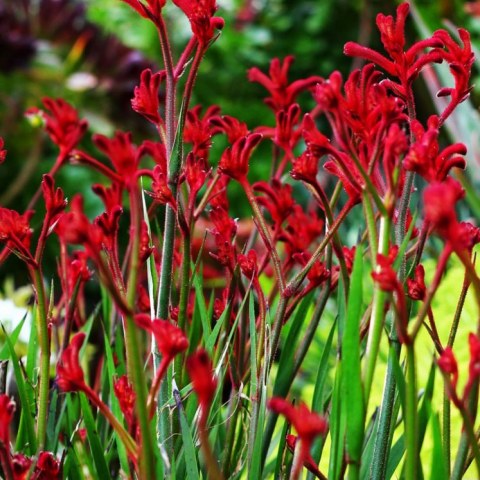
Image Not Found On Media Library

Doncaster East

Image Not Found On Media Library

Ashburton B

Image Not Found On Media Library

Kew

Image Not Found On Media Library

Kew

Image Not Found On Media Library

Kew

Image Not Found On Media Library

Survey the site conditions

What do I mean by this? You need to look at your garden areas and perform what we in the industry call a site analysis.

Indoors or outdoors.  Even if indoors, you need to consider how much sun that aspect in your home has.  I’ve had my own plants burnt only because I totally forgot that particular window sill gets too much sun for the plant type I’ve bought.  And yup, you know what happened to that poor plant in the end!

Outdoors.  Work out the shady spots and where the sun impacts the garden beds the most.  Do you have a large tree that impacts the amount of sun that your understorey plants get? (That will also impact how the understorey plants get their nutrition and whether they are tough enough to withstand the root competition from the tree!)

Also, look at the composition of your soil. That may involve doing some digging and getting dirty – but that’s half the joy of being outdoors! Check whether your soil is clay. Test the pH levels – learn how by visiting the Soil Testing case study on my website.

The list goes on but this will be a good starting point. My Create the Garden of Your Dreams  workbook will help you collect this information and put it into a plan.

Conduct plant profiling

You’re nearly there. You’ve already chosen a theme or style for your garden (if you haven’t, consult my website, magazines, books, Houzz, or Pinterest for inspiration).

This is not where you start looking at specific plants. This is where you profile the best plants for your garden by thinking about characteristics like height and growth patterns.

Have some fun and sketch it all out to visualise what you want to create.  Get dreamy with colours and textures, shapes and forms, and evaluate how comfortable you are putting them all together.

Camberwell
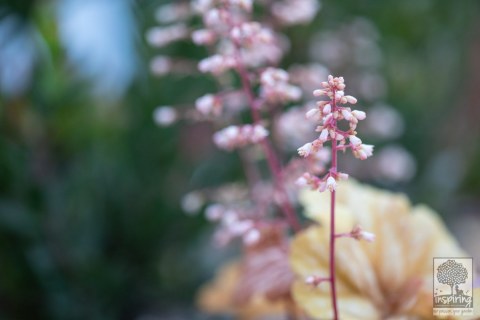
Image Not Found On Media Library

Camberwell

Image Not Found On Media Library

Vermont South B

Image Not Found On Media Library

Doncaster East

Image Not Found On Media Library

Doncaster

Image Not Found On Media Library

Vermont South A

Image Not Found On Media Library

Head to the nursery

Combining all the above information, you can finally head to that nursery! You’re equipped with the perfect plant profile so you can go about choosing plant species that match your needs.

Don’t just rely on the plant tags but ask the nursery staff about their experiences with the plant and whether there’s anything else you need to know. Be particularly mindful of any allergies within the family. It’s even a good idea to consult Google to make sure the plant suits your needs.

If you’re overwhelmed by options, listen to your heart – the garden is your baby so make it about what you’d like to see in it!

Give me a call if all the above seems daunting. I’ll be happy to book in a garden consult to chat about your specific plant choices or even make a trip to the nursery with you to discuss your options!

If you’re after a professionally-designed planting plan, we can whip one up to suit your budget, area size, and needs!

Remember, spending the time and money now to think through the steps above properly will lead to a better outcome for you and your family. Plus it will keep your garden looking great when the plants mature and will save you money and time in the long term!

Other resources

Hungry for more information on choosing plants that are right for your space and just learning about them in general?

Then check out the following write-ups which could assist!

Guide to picking landscaping plants

How to chose plants for your garden

How to choose plants for a garden

In the meantime, visit my past projects below which also squeezed in some beautiful succulents!

Vermont South A
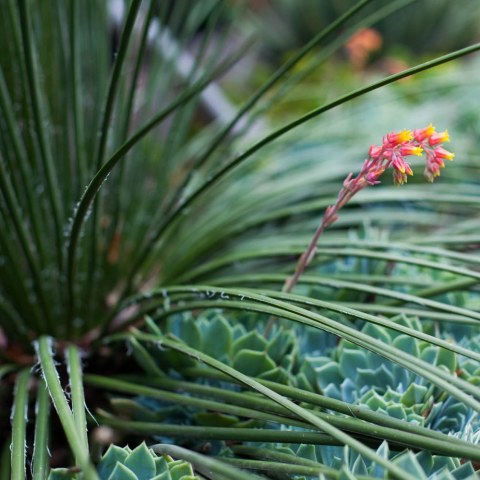
Image Not Found On Media Library

Blackburn

Image Not Found On Media Library

Glen Waverley

Image Not Found On Media Library

Kew

Image Not Found On Media Library

Vermont South B

Image Not Found On Media Library

If you need further suggestions or design or plantscaping both indoors and outdoors, please contact us for an onsite 90 minute consultation. 

Refer to our packages for further detail on how we can help you in the consults and subsequently throughout your garden implementation process.

Our passion your garden! xx

Follow us on social media
  • Facebook
  • Instagram
  • Houzz
Email
PREVIOUS POST
Vegetable patches & fruit orchards in Autumn
NEXT POST
The lovely Proteas

Parveen

Recent Posts
  • Designing a Garden That Grows With You
  • What Summer Reveals About Your Garden (And How to Fix It)
  • Simple Garden Tips to Set Your Garden Up for 2026
  • Prediction – Landscape Garden Trends For 2026 in Australia
  • How to Create a Slow Living Garden
Instagram

inspiringlandscapes.com.au

🌺🔥 Red nasturtiums are the rebels of the gar 🌺🔥 Red nasturtiums are the rebels of the garden, and we love them for it.⁠
⁠
Bright, bold, and impossible to ignore, red nasturtiums don’t politely blend in… they burst onto the scene. Their fiery blooms weave through garden beds, spill over edges, and trail from pots as if they owned the place. And honestly? They do.⁠
⁠
But here’s the fun part, they’re not just pretty faces. Nasturtiums are edible (yes, really!). Their peppery leaves and flowers can be tossed into salads for a splash of colour and a little zing. Beauty and bite? That’s a win.⁠
⁠
They’re also wonderfully easy-going. Give them some sun, reasonably well-drained soil, and they’ll happily scramble and spread, softening hard edges and filling gaps with effortless charm.⁠ There’s something joyful about them; a little wild, a little untamed, and full of personality.⁠
⁠
If your garden needs a shot of confidence and colour, red nasturtiums might be the spark it’s been waiting for 🌿🔥⁠
⁠
📸Project Detail: Nasturtiums, Glen Iris Project
When we think about adding colour to our gardens, When we think about adding colour to our gardens, most of us go straight to the bold stuff; the colours that pop. Fiery reds. Punchy oranges. Sunshine yellows.⁠ Or we lean the other way: soft pastels, calming blues, dreamy purples that create that relaxed, exhale kind of feeling.⁠
⁠
But here’s a little secret. One of the most underrated colours in the garden is actually white, and even silver. 🤍✨⁠
⁠
White and silvery tones don’t shout for attention. They glow. They soften. They reflect light. They create contrast and elegance without overpowering the surroundings. ⁠Suddenly, the whole space feels fresher, lighter, and just a little bit more refined.⁠
⁠
Take this miscanthus, for example. It’s practically a feature plant all on its own, don’t you think? Soft and feathery, yet somehow it brings drama and glamour at the same time. It catches the light, moves beautifully in the breeze, and adds texture that’s impossible to ignore.⁠
⁠
Proof that sometimes the quietest colours make the biggest impact. Would you consider adding more white or silver to your garden palette?⁠
⁠
📸Project detail: Miscanthus, Glen Iris Project
🎨🌿 Who says gardens have to be serious all t 🎨🌿 Who says gardens have to be serious all the time?⁠
⁠
Yes, structure matters. Yes, plant selection is important. But sometimes a garden just needs something that makes you smile.⁠
⁠
A cheeky sculpture tucked between the plants. A whimsical metal bird peeking out from behind a hedge. A colourful mural that catches you off guard. Artwork in the garden adds personality, and sometimes a little bit of mischief.⁠
⁠
Gardens are places we escape to. So why not include pieces that make you laugh, spark conversation, or remind you not to take life too seriously? ⁠
⁠
The contrast between soft greenery and bold, unexpected art creates magic. It turns a beautiful garden into a memorable one.⁠
⁠
🌸 Because if your garden can make you pause and grin, it’s doing more than growing; it’s living. I know I had a good laugh and enjoyed this artwork! Would you?⁠
⁠
📸Playground, Paradise Country, Gold Coast - 🐑 Shaun the Sheep artwork⁠ 🐑⁠
🌿 What if your garden didn’t need to be finis 🌿 What if your garden didn’t need to be finished, just flexible?⁠
⁠
Life doesn’t stand still, and neither should your garden. The most successful outdoor spaces aren’t designed for one perfect moment in time; they’re designed to grow with you. ⁠As routines change, families evolve, and seasons roll on, a thoughtful garden adapts quietly in the background.⁠
⁠
Designing a garden that grows with you is about strong foundations, not rigid plans. It’s choosing structure that lasts, plants that mature gracefully, and spaces that can shift in purpose without needing a full redesign. ⁠
⁠
A lawn that becomes a retreat. A play space that softens into a garden room. A planting palette that gets better, not harder, with time.⁠ This approach takes the pressure off. Less chasing trends. Less reworking. More ease, longevity, and connection to how you actually live.⁠
⁠
We dive deeper into this idea in our latest blog: Design a Garden That Grows With You 🌱 https://inspiringlandscapes.com.au/designing-a-garden-that-grows-with-you/⁠
⁠
Read our blog and start thinking about your garden as something that evolves alongside you, season after season.⁠
There’s something deeply comforting in this thou There’s something deeply comforting in this thought. Trees quietly witness every chapter of our lives; they stand through beginnings and endings, through growth, loss, joy, and change. ⁠Just like us, they’re never truly still. They grow, shed, rest, and begin again.⁠
⁠
Changing leaves remind us that transformation is not only natural but necessary. That beauty exists in every phase: the fresh green of spring, the fullness of summer, the golds of autumn, and the quiet strength of winter branches. Our lives move in much the same way.⁠
⁠
In gardens, trees ground us. They offer shade, shelter, and a sense of continuity in a world that’s always shifting. They remind us that while moments pass, something steady can still exist alongside change.⁠
⁠
🌿 Maybe that’s why we’re drawn to them; they mirror our own journeys, season by season.⁠
😄 Indoor plants are low drama, until they’re 😄 Indoor plants are low drama, until they’re not.⁠
⁠
One minute, they’re thriving, the next, they’re dropping leaves like they’re making a statement. The good news? Most indoor plants want a little consistency, not perfection.⁠
⁠
💧 Water when the soil needs it, not when you remember it⁠
☀️ Light matters more than you think (yes, even for “low-light” plants)⁠
🍃 Dusty leaves = unhappy plants, so give them a gentle wipe now and then⁠
🪴 Rotate pots occasionally so they don’t lean like they’re chasing the sun⁠
🌱 And remember: over-loving is a thing; too much water is the #1 plant killer⁠
⁠
Indoor plant care isn’t about getting it right all the time. It’s about learning their quirks, noticing small changes, and adjusting as you go.⁠
⁠
👉 Which plant in your house is thriving, and which one are you still negotiating with?⁠
⁠
📸 Shopping mall in Central Phuket, Thailand
😄 The only thing that should be slippery is the 😄 The only thing that should be slippery is the slide (not the situation).⁠
⁠
Cubby houses are serious business in the backyard — especially when there’s a slide involved. A little TLC keeps the fun flowing and the scraped knees to a minimum.⁠
⁠
✨ Give it a spa day: Dirt, sunscreen, and mystery stickiness build up fast. A quick wash with mild soap keeps slides fast but friendly.⁠
☀️ Hot slide alert: Summer sun can turn slides into lava. A shade sail or a well-timed play session saves the “ouch!”⁠
🔩 Wiggle check: If it wobbles, squeaks, or rattles, it’s time to tighten things up.⁠
🍃 Clear the landing zone: Leaves, mulch, and bark at the bottom can turn a graceful exit into a dramatic dismount.⁠
🛠️ Look for battle scars: Fading, cracks, or rough bits are signs the slide’s ready for a repair (or retirement).⁠
⁠
A few quick checks = hours of carefree fun, big laughs, and peace of mind for grown-ups.⁠
⁠
👉 When did you last give your cubby house a once-over?⁠

⁠
📸Narre Warren project detail⁠
🌹✨ Meet the rose that doesn’t ask for const 🌹✨ Meet the rose that doesn’t ask for constant attention.⁠
⁠
This groundcover rose is proof that roses don’t have to be high-maintenance divas. Specifically bred to be highly resistant to fungal diseases that commonly affect roses, this variety is all about strong performance with minimal fuss.⁠
⁠
Give it a good start: proper pruning, the right feed, consistent water, and a good layer of compost and of mulch, and it rewards you by largely looking after itself. ⁠
⁠
Once established, this plant lushens up beautifully, into a lovely bush with healthy foliage and generous colour while keeping maintenance refreshingly simple.⁠
⁠
Perfect for softening edges, cascading over retaining walls, or filling larger areas with ease, these roses bring romance and reliability to the garden.⁠
⁠
👉 Thinking about adding a low-maintenance rose to your garden? Have a good with this one! 🌹⁠
⁠
📸 Murrumbeena project detail
These stunning images and Simon’s review are fro These stunning images and Simon’s review are from my Mooroolbark project. It’s quite large and is being completed over a couple of years.⁠
⁠
“I’m genuinely grateful for the entire design journey; it’s been a pleasure from the first ideas through to seeing it come together”. - Simon Taylor⁠
⁠
Working with such wonderful clients has made the process especially rewarding, and collaborating with a landscaping team that is not only highly skilled but also ethical, supportive, and truly collaborative has made it an exceptional experience all-round. ⁠
⁠
I’m also excited to continue watching the design come alive through the remaining phases of the project over the coming years. ⁠
⁠
I look forward to one day sharing this garden with family, friends, and fellow garden enthusiasts as part of an Open Gardens Victoria event, when it’s fully lush and beautifully mature.⁠
⁠
Parveen 💚⁠
🌿🕊️ Where remembrance is held gently by th 🌿🕊️ Where remembrance is held gently by the garden.⁠
⁠
ANZAC Square is more than a place you pass through; it’s a place you pause. Set beside the Dunedin Railway Station, its carefully considered gardens play a quiet but influential role in how we experience this space of remembrance.⁠
⁠
The lawns, trees, and seasonal plantings soften the surrounding stone and structure, creating a sense of calm and reflection. Gardens here aren’t decorative; they’re purposeful. ⁠
⁠
They offer a place to slow down, to remember, and to feel connected to history in a way that words or monuments alone can’t consistently achieve.⁠
⁠
Green spaces like this remind us that remembrance doesn’t have to be loud. It can live in stillness, in living plants that grow and change with time, symbolising continuity, resilience, and respect. ⁠
⁠
The gardens invite people to sit, reflect, and carry those moments with them long after they leave.⁠
⁠
🌱 ANZAC Square shows us how landscape and memory work hand in hand; using nature to honour the past while grounding us in the present.⁠
⁠
⁠📸ANZAC Square, Dunedin ⁠
☀️🌿 “Summertime is always the best of wha ☀️🌿 “Summertime is always the best of what might be.”⁠
⁠
Summer carries possibility in the air. Longer days, warmer evenings, and that familiar feeling that anything could happen, or at least slow down enough to be noticed. It’s the season where plans feel lighter, conversations last longer, and time spent outdoors feels effortless.⁠
⁠
In the garden, summertime shows us potential at its fullest. Plants are thriving, spaces are being lived in, and moments are made almost without trying. It’s where memories form quietly: barefoot walks, shared meals, golden light at dusk; all wrapped up in the promise of what might be.⁠
⁠
Maybe that’s why summer feels so hopeful. It reminds us to enjoy what’s here, while still dreaming of what’s ahead.⁠
⁠
🌱 Here’s to soaking up the season, one warm moment at a time.⁠
🌾✨ A great garden isn’t just something you 🌾✨ A great garden isn’t just something you look at, it’s something you feel.⁠
⁠
Movement is one of the most underrated elements in garden design. The way ornamental grasses sway in the breeze, leaves rustle overhead, water gently ripples, or light shifts across a space throughout the day, these moments bring a garden to life.⁠
⁠
Movement adds rhythm, softness, and calm. It slows us down. It draws our attention. And it creates gardens that feel immersive rather than static. ⁠
⁠
Whether it’s through plants, water features, or even the way pathways guide you through a space, movement shapes how a garden is experienced, not just how it looks.⁠
⁠
We’ve explored this idea in our latest blog “Movement in the Garden” 🌿⁠
⁠
👉 Read the blog below and discover how thoughtful movement can transform the way your garden feels every single day: https://inspiringlandscapes.com.au/movement-in-the-garden/⁠
🧡✨ Roses are lovely… but orchids? Orchids t 🧡✨ Roses are lovely… but orchids? Orchids tell a love story that lasts.⁠
⁠
Orchids are the ultimate Valentine’s Day flower for when you want to give something a little more meaningful. They symbolise love, beauty, strength, and luxury; all wrapped up in a bloom that doesn’t fade after a few days.⁠
⁠
Unlike a traditional bouquet, orchids keep flowering long after Valentine’s Day has passed. They’re elegant, sculptural, and quietly romantic, making them perfect for someone who appreciates beauty with depth. ⁠
⁠
Every new bloom feels like a reminder of the moment they were given; thoughtful, intentional, and enduring.⁠
⁠
They also suit any kind of love story. Modern or classic. Bold or understated. Orchids don’t shout, they captivate.⁠
⁠
🧡 This Valentine’s Day, skip the expected and give a flower that keeps saying “I love you” long after the chocolates are gone.⁠
⁠
👉 Would you choose an orchid over roses?⁠
⁠
⁠📸Orchids from my Glen Iris project
🌿🌀 This plant looks like nature’s mathemat 🌿🌀 This plant looks like nature’s mathematician designed it.⁠
⁠
Meet the Spiral Aloe (Aloe polyphylla), one of the most mesmerising succulents you’ll ever see. Its perfectly symmetrical spiral isn’t trimmed, trained, or styled, and it grows that way naturally, forming a flawless geometric pattern that feels almost too perfect to be real.⁠
⁠
✨ Fun fact #1: The spiral can turn clockwise or anti-clockwise, and once it chooses a direction, it keeps it for life.⁠
⁠
✨ Fun fact #2: Native to the mountains of Lesotho, spiral aloes are adapted to cool nights and rocky slopes, which is why they prefer excellent drainage and don’t love extreme heat.⁠
⁠
Beyond its striking form, this plant brings a sculptural, almost architectural feel to the garden. It works beautifully as a feature plant, in pots or rockeries, where its shape can be fully admired from above.⁠
⁠
A reminder that sometimes the most incredible design already exists in nature, all we have to do is notice it.⁠
⁠
Would you plant a spiral aloe as a statement piece in your garden?⁠⁠
⁠
📸 Murrumbeena project detail
🌿✨ Good garden design doesn’t start with pl 🌿✨ Good garden design doesn’t start with plants; it starts with understanding the space.⁠
⁠
These design images are from my Mitcham design project from May 2025. This project was a perfect reminder of why proper site analysis and a clear brief are so important. Taking the time upfront to really understand how a site works (and doesn’t work!) makes all the difference once design begins.⁠
⁠
Elevation drawings played a huge role here, too. They help clients truly feel the design, not just see it, by showing spatial relationships, levels, and the complexity of elements involved. It’s where ideas start to feel real.⁠
⁠
This garden also became a bit of a creative playground; one massive exercise in maximising the potential of the small courtyard spaces, experimenting with new ideas, textures, and plant combinations. Challenging? Absolutely. But also incredibly rewarding.⁠
⁠
Planting-wise, the focus was on adding diversity and softness, while keeping the palette as safe as possible for the resident goldfish 🐟💛. And yes, that path leading to the street? It’s there because they love stopping to say hello to friendly neighbours as they pass by.⁠
⁠
Here’s what my client had to say:⁠
⁠
“Had a positive experience working with Parveen on a plan for our small backyard. We found her very creative and easy to work with. She was great in communication and helping us to understand the issues and how to overcome them.⁠
⁠
Shabnam Fz”⁠
⁠
Thoughtful design, collaboration, and a little personality; that’s where the magic happens 🌱⁠
⁠
📸Pic 1⁠ Layout of the rear courtyard⁠
📸Pic 2: Elevation 1 - BBQ⁠ area⁠
📸Pic 3: Elevation 2⁠
📸Pic 4: Elevation 3⁠
📸Pic 5: Elevation 4⁠
✨🌿 If you’ve ever wondered what happens whe ✨🌿 If you’ve ever wondered what happens when nature meets pure magic, this is it.⁠
⁠
Every year, the Lightscape at Melbourne’s Royal Botanic Gardens transforms the gardens into an after-dark wonderland, and honestly, it never gets old. ⁠
⁠
Trees glow, pathways shimmer, and familiar garden spaces suddenly feel like you’ve stepped into another world.⁠
⁠
What makes it so special isn’t just the lights (though they’re incredible). It’s the way they highlight the shapes of trees, the textures of leaves, and the quiet beauty of the landscape itself. The gardens don’t disappear; they come alive in a whole new way.⁠
⁠
It’s equal parts peaceful and awe-inspiring. A place where kids are wide-eyed, adults slow their pace, and everyone forgets about their phones for a moment. Proof that gardens don’t stop being magical when the sun goes down.⁠
⁠
🌙 If you haven’t experienced it yet, put it on your list. And if you have, you know exactly what we mean.⁠ ⁠
⁠
It usually starts in June and goes for a couple of weeks!⁠
🌱✨ “Life begins the day you start a garden. 🌱✨ “Life begins the day you start a garden.”⁠
⁠
There’s something quietly powerful about that idea. Starting a garden isn’t just about planting flowers or filling a space; it’s about choosing to slow down, to nurture something over time, and to connect more deeply with the world around you. ⁠
⁠
The moment you plant that first seed, you begin to notice the seasons, the weather, and the small signs of growth you might once have rushed past.⁠
⁠
Gardening teaches patience and presence. It reminds us that progress doesn’t need to be instant to be meaningful, and that tending to living things can bring a sense of purpose and calm that carries into everyday life.⁠
⁠
🌿 If you’ve been thinking about starting a garden, big or small, let this be your sign. Begin where you are, and let it grow from there.⁠
⁠
What was the first thing you ever planted, or what would you love to grow next? 💚⁠
🌿🏡 Your gazebo isn’t just a structure; it’s a front-row seat to outdoor living.⁠
⁠
Gazebos, pergolas, and outdoor structures work hard. They shade long lunches, shelter conversations, and quietly weather every season so we can enjoy being outside. But unlike plants, they don’t always show stress straight away; until one day they suddenly do.⁠
⁠
The secret to maintaining outdoor structures isn’t big annual overhauls. It’s small, observant check-ins. Notice how water moves after rain. Listen for creaks or movement on windy days. ⁠
⁠
Feel surfaces: are they rougher, softer, hotter than they used to be? These little clues tell you far more than a checklist ever will.⁠
⁠
Keep fixings tight, clear leaves and debris before moisture gets trapped, and don’t ignore tiny cracks or rust spots.  They’re early warnings, not cosmetic flaws. ⁠
⁠
Timber structures benefit from occasional cleaning and resealing, while metal elements love a quick inspection before corrosion settles in.⁠
⁠
Think of maintenance as respect rather than repair. When outdoor structures are cared for thoughtfully, they age beautifully, becoming part of the garden’s story rather than something that needs constant attention.⁠
⁠
🌱 A well-looked-after gazebo doesn’t just last longer; it continues to invite you outside, season after season.⁠
⁠
📸 Mooroolbark Phase 1 (2025)
🤍🌿 Not all garden stars shout for attention; 🤍🌿 Not all garden stars shout for attention; some quietly steal your heart.⁠
⁠
Enter cream clivias. Subtle, elegant, and completely captivating. While their bright orange cousins are bold and cheerful, cream clivias bring a softness that feels calm, refined, and effortlessly timeless.⁠
⁠
Their creamy blooms glow in shaded garden spaces, lighting up areas where other plants struggle; under trees, along pathways, or tucked into quiet corners. ⁠
⁠And the best part? They’re tough. Once established, clivias are wonderfully low-maintenance, drought-tolerant, and long-living, making them a joy for gardeners who love beauty without fuss.⁠
⁠
Cream clivias also create a sense of calm in the garden. They pair beautifully with deep green foliage, natural stone, and timber, and they shine even more when planted in groups. It’s understated elegance at its finest; proof that sometimes the softest colours leave the strongest impression.⁠
⁠
🌱 If you’re looking for a plant that brings grace, longevity, and quiet confidence to your garden, cream clivias might be your perfect match.⁠
⁠
👉 Do you prefer the classic orange clivia, or are you team cream?⁠⁠
⁠
📸Snap from my gorgeous client in Berwick⁠
🌞Summer is the season your garden tells the tru 🌞Summer is the season your garden tells the truth🌞⁠
⁠
When the heat settles in, gardens stop being polite. Plants either thrive or struggle, shady spots become prized real estate, and suddenly you realise which areas you actually use, and which ones you quietly avoid.⁠
⁠
Summer reveals a lot. It shows you where shade is missing, where water is being wasted, and which plants are doing all the hard work without complaint. ⁠
⁠
It also highlights design decisions that looked fine in winter but don’t quite stack up when temperatures rise.⁠
⁠
And here’s the good part: none of this is bad news. It’s insight. Once you understand what summer is showing you, fixing these issues becomes far more intentional and far less overwhelming. ⁠
⁠
Often, small adjustments now can completely change how your garden feels next year.⁠
⁠
We’ve unpacked all of this in our latest blog: What Summer Reveals About Your Garden (And How to Fix It) 🌿⁠
⁠
👉 Read the blog and start using summer as your garden’s greatest teacher: https://inspiringlandscapes.com.au/what-summer-reveals-about-your-garden-and-how-to-fix-it/ ☀️🌱⁠
Follow on Instagram
Archives
  • March 2026
  • February 2026
  • January 2026
  • December 2025
  • November 2025
  • October 2025
  • August 2025
  • July 2025
  • June 2025
  • May 2025
  • April 2025
  • March 2025
  • January 2025
  • November 2024
  • October 2024
  • September 2024
  • July 2024
  • June 2024
  • May 2024
  • April 2024
  • February 2024
  • January 2024
  • December 2023
  • November 2023
  • September 2023
  • August 2023
  • July 2023
  • June 2023
  • May 2023
  • April 2023
  • March 2023
  • December 2022
  • November 2022
  • October 2022
  • July 2022
  • June 2022
  • April 2022
  • March 2022
  • January 2022
  • December 2021
  • September 2021
  • August 2021
  • July 2021
  • May 2021
  • April 2021
  • March 2021
  • February 2021
  • January 2021
  • December 2020
  • November 2020
  • October 2020
  • September 2020
  • August 2020
  • July 2020
  • June 2020
  • May 2020
  • April 2020
  • March 2020
  • February 2020
  • January 2020
  • December 2019
  • November 2019
  • October 2019
  • September 2019
  • August 2019
  • July 2019
  • June 2019
  • May 2019
  • April 2019
  • March 2019
  • February 2019
  • January 2019
  • December 2018
  • November 2018
  • October 2018
  • September 2018
  • August 2018
  • July 2018
  • June 2018
  • May 2018
  • April 2018
  • March 2018
  • February 2018
  • January 2018
  • December 2017
  • November 2017
  • October 2017
  • September 2017
  • August 2017
  • July 2017
  • June 2017
  • May 2017
  • April 2017
  • March 2017
Categories
  • Animals
  • Arbour
  • Architects
  • Art
  • Australian Natives
  • Balcony Gardens
  • Biophilia
  • Birds
  • Blog
  • Budgeting
  • Children
  • Colour
  • Colour and Scent
  • Construction
  • Decking
  • Design
  • Edibles
  • Feng Shui
  • Flower and Garden Shows
  • Flowers
  • Garden
  • Garden and Landscaping Trends
  • Garden Design
  • Gardening For Beginners
  • Gardens for Life
  • Health
  • Home
  • Home office
  • Irrigation
  • Landscape Design
  • Landscaping
  • Lawn
  • Maintenance
  • Materials
  • Nature
  • Outdoor Entertaining
  • Paving
  • Plant collectors
  • Plants
  • Productive gardening
  • Productive gardens
  • Propagation
  • Pruning
  • Scented gardens
  • Seasonal tips
  • Site surveys
  • Soil pH
  • Staging for sale
  • Structures
  • Sustainable Gardening
  • Uncategorized
  • Water Features
  • Weather
  • Wildlife

Related News

Other posts that you should not miss
Family planting flowers in their garden

Designing a Garden That Grows With You

March 2, 2026
-
Posted by Parveen
One of the biggest misconceptions about garden design is that a garden should feel finished. Perfectly styled. Locked in. Done. In reality,…
Read More →
Australian Natives, Children, Construction, Design, Flowers, Garden, Garden Design, Gardens for Life, Irrigation, Landscaping, Lawn, Maintenance, Outdoor Entertaining, Plants, Seasonal tips, Sustainable Gardening, Uncategorized, Weather
8 MIN READ
View of kids cubby and main vege patch area in Blackburn landscape design by Parveen Dhaliwal

What Summer Reveals About Your Garden (And How to Fix It)

February 3, 2026
-
Posted by Parveen
Summer has a funny way of telling the truth. When the heat lingers, the sun is relentless, and outdoor spaces are used…
Read More →
Australian Natives, Decking, Design, Edibles, Flowers, Garden, Garden Design, Gardening For Beginners, Gardens for Life, Irrigation, Landscape Design, Landscaping, Lawn, Maintenance, Outdoor Entertaining, Plants, Seasonal tips, Uncategorized, Weather
8 MIN READ
Memorial Drive NW

Simple Garden Tips to Set Your Garden Up for 2026

January 2, 2026
-
Posted by Parveen
The beginning of a new year often brings a quiet moment of reflection, and for many of us, that reflection naturally extends…
Read More →
Design, Garden, Garden Design, Gardens for Life, Irrigation, Landscape Design, Maintenance, Materials, Plants, Sustainable Gardening, Uncategorized
8 MIN READ

Follow us on social media

  • Facebook
  • Instagram
  • Houzz

ACN: 617 529 914

contact +614 0332 9128

contact@inspiringlandscapes.com.au

 
Choosing plants for your garden - Inspiring Landscape Solutions