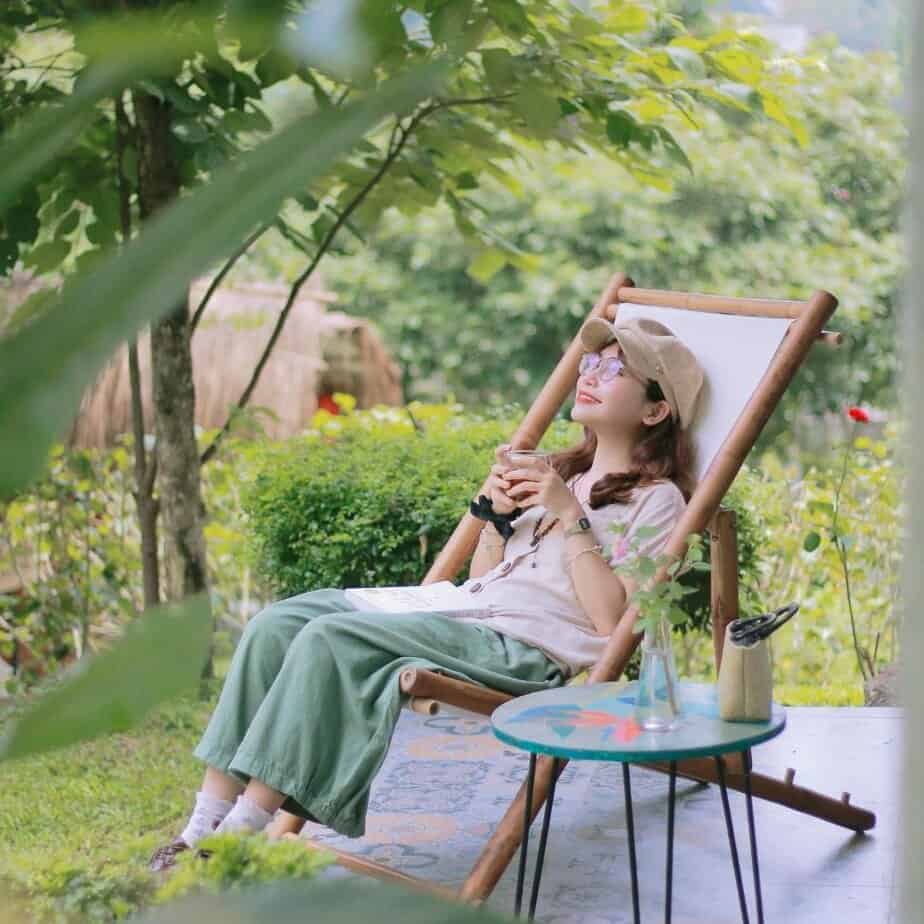
Beyond choosing plants or crafting visually appealing spaces, understanding how garden designers foster emotional bonds deepens readers’ appreciation for transformative gardens and their lasting impact. At its heart, this work is about nurturing meaningful relationships between people and the natural world: spaces that invite interaction, inspire wonder, and nurture bonds that can last a lifetime.

How Garden Designers Create Connection Through Sensory Engagement
Plants offer an extraordinary palette of experiences: the velvet texture of lamb’s ear, the intoxicating fragrance of jasmine on a summer evening, the rustling whisper of ornamental grasses in the breeze, and the burst of flavour from fresh herbs like basil or mint, which engage multiple senses.
When garden designers create connections through multi-sensory experiences, they transform gardens from passive viewing spaces into active, immersive environments.
By incorporating plants that invite touch,
entice the senses, and create layers of visual interest throughout the seasons, designers ensure that every visit offers discoveries. When someone brushes past rosemary and catches its aromatic scent, or plucks a sun-warmed tomato from the vine, they’re not just interacting with plants; they’re forming memories and emotional bonds with the space itself.
Creating Connection by Understanding Human Behaviour
Understanding how garden designers create connections by recognising human behaviour and psychology helps your audience feel empathy and appreciation for thoughtful design, making the message more meaningful.
Consider how a child discovers the world through touch and exploration or how a gardener finds peace while tending to plants, with deliberate design choices like sightlines and circulation patterns guiding these interactions and fostering natural connections.


How Garden Designers Create Connection Through Discovery
Garden designers create connections by designing spaces that encourage discovery and learning, such as a fragrant lavender border or a native butterfly garden.
Incorporating diverse plant species, textures, and forms sparks curiosity and fosters emotional bonds through exploration and sensory engagement.
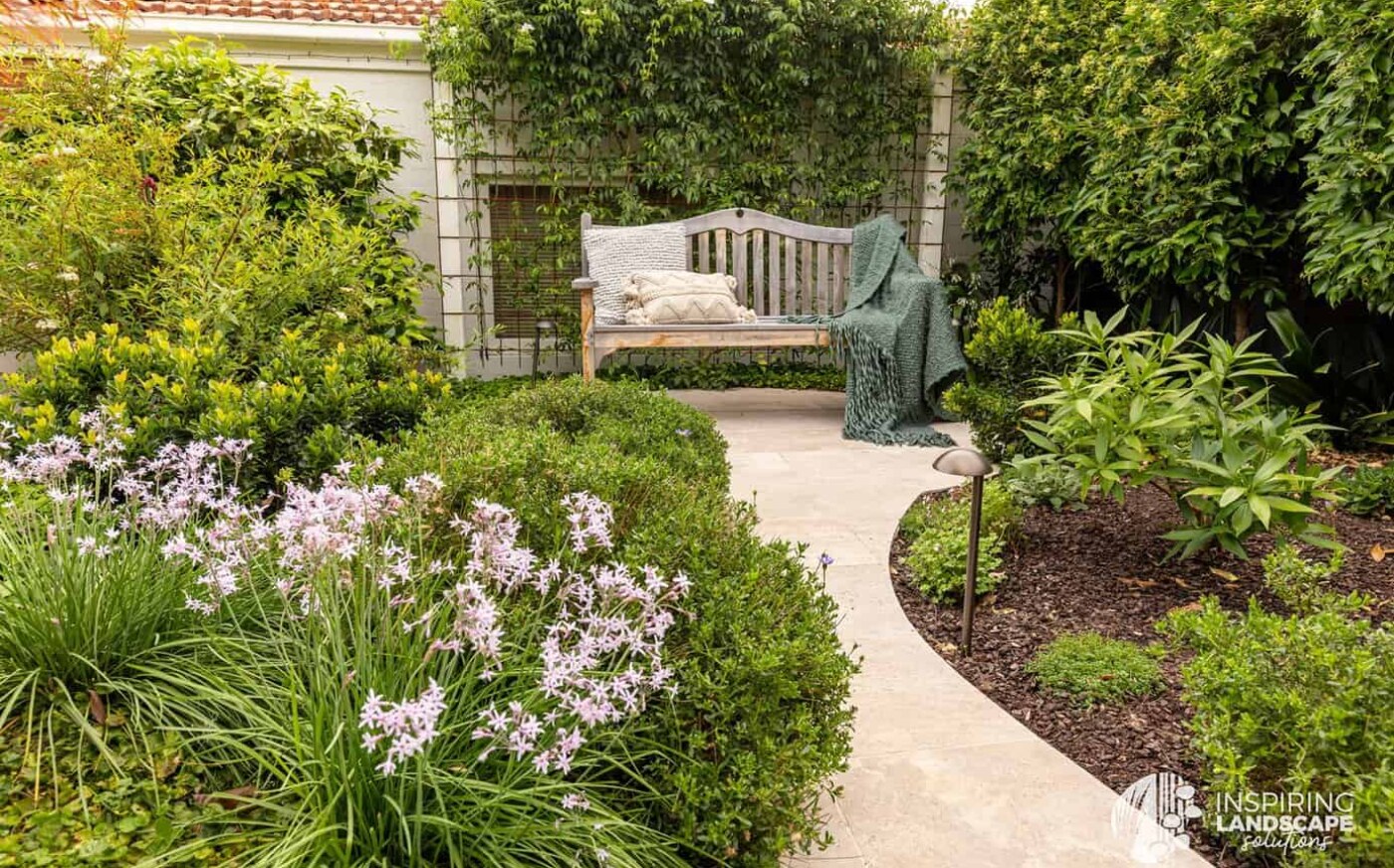
Strategic positioning is key to how garden designers create connection through discovery. A fragrant shrub beside a pathway, a fascinating succulent at a child’s eye level, or a bird-attracting native plant visible from a kitchen window.
These deliberate placements spark curiosity and encourage exploration. Each encounter invites the audience to feel curious and engaged, deepening their emotional connection to the garden.

Building Accessible and Authentic Connections
A crucial aspect of how garden designers create connection is ensuring that outdoor spaces feel both accessible and authentic.
Gardens that demand too much expertise or maintenance can feel intimidating, while those that seem entirely artificial lack the genuine connection to nature that makes relationships meaningful.
The solution lies in honouring both the client’s lifestyle and the plants’ natural requirements. This means selecting resilient species suited to the local climate and soil conditions.
It also involves creating manageable maintenance routines and designing spaces that accommodate varying levels of gardening knowledge and physical ability. When people feel capable of caring for their garden, and when plants thrive under that care, the connection deepens organically.
How Garden Designers Create Connection Across Seasons
Unlike static interior design, landscape design embraces constant change. The shifting seasons, the daily arc of sunlight, and the gradual maturation of plants. All these transformations are fundamental to the outdoor experience.
Understanding how garden designers create connections through seasonal variation reveals the sophistication of this work.
By selecting plants with varied blooming periods, attractive seed heads, striking autumn colour, or architectural winter structure, designers ensure year-round engagement.
This approach helps garden owners feel a sense of wonder and a sense of ongoing participation in natural cycles, fostering a deeper emotional bond. The garden becomes not just a place to be but also a story that unfolds across time, and this is exactly how garden designers create a connection that endures.

The Wellbeing Connection
Emphasising how green spaces support mental and physical health will make your audience feel hopeful and motivated about the meaningful role of garden design in wellbeing.
Contemporary practitioners understand how garden designers create connections that support mental and physical health.
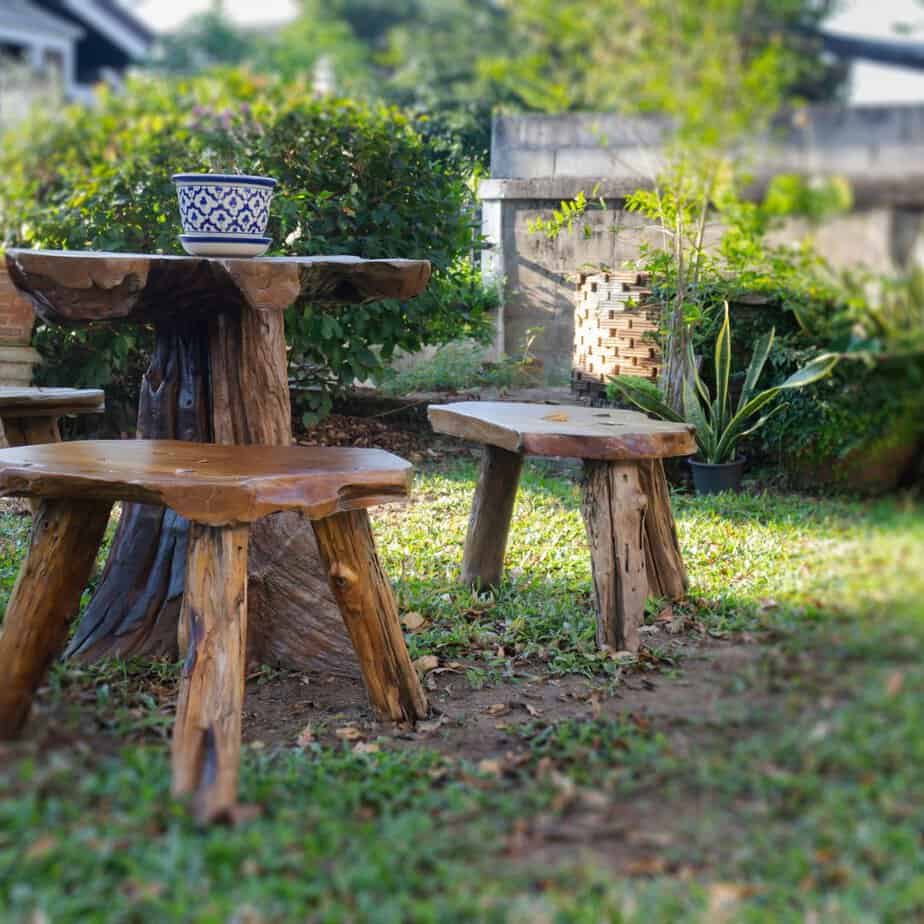
Whether it’s a quiet corner for reflection, a productive vegetable patch, or simply a comfortable seat surrounded by greenery, these designed elements facilitate regular, positive interaction with nature.
This wellbeing dimension represents one of the most important ways that garden designers create connection in today’s world.
The Art of Creating Lasting Connections
Ultimately, understanding how garden designers create connection reveals that this profession is about far more than aesthetics.
Every plant selection, every path layout, and every seating choice is an opportunity to strengthen the bond between people and the natural world.
The greatest achievements aren’t captured in perfect photographs or award submissions. They’re the moments when a client starts checking on their garden first thing each morning, when children bring friends to see “their” special tree, or when someone discovers an unexpected passion for propagating plants.
These are the signs that demonstrate exactly how garden designers create connections that transform both spaces and lives.





Leave a Comment