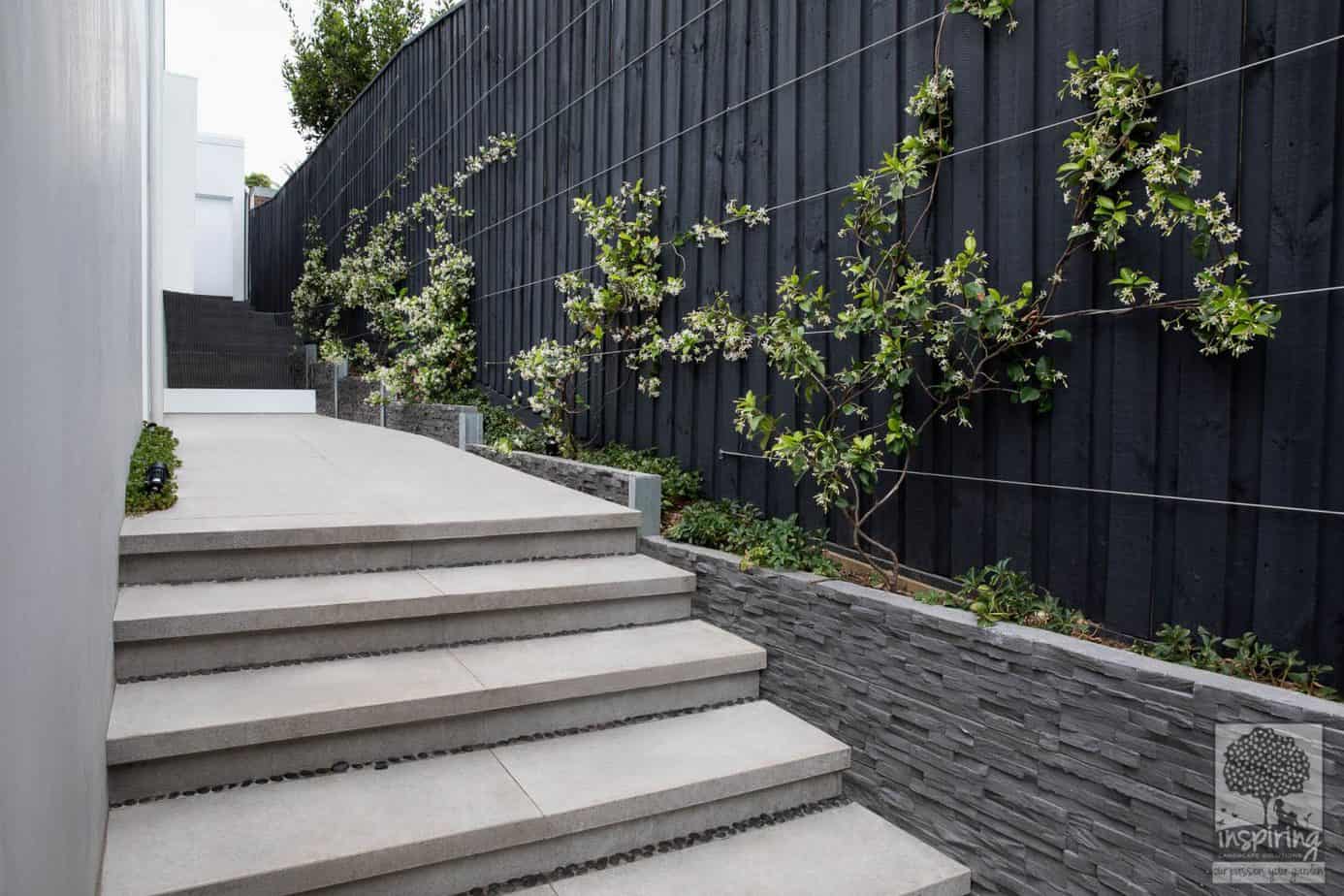
Every season brings a new wave of garden trends, from Pinterest-inspired planting schemes to the latest landscape design trends. As a Melbourne landscape designer, I regularly meet homeowners who arrive inspired by Pinterest boards, Instagram feeds and glossy magazine features.
While trends can inspire, the best gardens are timeless, reflecting personal stories and adapting beautifully over decades, not just following fashion. A landscape is a long-term investment that shapes daily experiences, so focusing on enduring design helps homeowners feel secure about their choices and future costs.

Why Garden Trends Don't Always Stand the Test of Time
By their very nature, trends are temporary. What feels fresh and exciting today may start to look dated in just a few years.
Think back to garden trends from a decade ago. Many homeowners invested heavily in features that no longer feel modern or suit their lifestyle now.
To avoid this, consider how well trendy plants and features will adapt to your local climate and conditions before investing. The best gardens take inspiration from garden trends without becoming defined by them. When trends fade, homeowners often feel pressured to update their outdoor spaces again. This can lead to expensive renovations and unnecessary spending that could have been avoided.
Case Study: Vermont South C
One of my recent landscape design projects in Vermont South initially arrived with a Pinterest board full of inspiration for a garden brimming with Australian natives.
While the aesthetic was beautiful, their site, lifestyle and long-term goals pointed in another direction. Instead of copying a trend, we designed around how they

wanted to live: preserving mature trees, drawing on the atmosphere of the adjacent parkland and fauna, and creating layered evergreen structure. We introduced seasonal interest while ensuring the garden would continue improving with age rather than dating with fashion.
More importantly, we wanted the garden to reflect the client’s creativity and strengthen their personal connection with the landscape. Years later, the garden will still feel current because we designed it around the owners, not social media.

Why Chasing Garden Trends Can Become Expensive
Before investing in the latest garden trends, it’s worth remembering that some of the highest costs aren’t obvious until years later. Permanent features can be expensive to change once they’re in place, especially elements such as:
*Outdoor kitchens
*Built-in seating
*Decorative water features
*Large statement pots and sculptures
*Specialised paving materials
*Designer lighting systems
These features can be costly to install. If you decide you no longer like them a few years later, removing or replacing them often comes with additional expenses. Demolition, new materials, labour costs, and redesign fees can add up quickly. Choosing enduring features from the start can help homeowners feel assured that their garden will remain appealing and avoid costly redesigns later.
Some Garden Trends Require More Maintenance Than People Realise
Social media has made certain plants incredibly popular. However, not every trending plant suits all climates. A plant that thrives in one region may struggle in another.
Homeowners can end up spending more money on watering, fertilisers, pest control, and replacements to keep certain plants alive.
Some fashionable planting design styles also require intensive maintenance. Large drifts of ornamental grasses, heavily layered planting schemes, or particular flowering varieties may look stunning in photos but demand considerable upkeep.
A well-considered planting design should become richer, fuller and more beautiful with age, not more demanding to maintain.


Can Garden Trends Increase Your Water Bills?
Water-wise landscape design has become increasingly important, particularly in hot, dry areas or where water is restricted. Unfortunately, some of today’s most popular garden trends prioritise appearance over practicality.
Lush tropical gardens, thirsty lawns, and exotic plants can require substantial amounts of water to look their best, which may not be sustainable or permitted in your region.
Higher water consumption affects more than the environment. It can also increase household expenses over time.
A sustainable garden designed for Melbourne’s climate is usually easier to maintain, more resilient and considerably less expensive to run over its lifetime.
Do Garden Trends Suit the Way You Live?
A beautiful garden isn’t just about appearance. It should also support the way you live. One hidden cost of chasing trends is that homeowners sometimes sacrifice functionality for aesthetics.
For example, a perfectly styled entertaining area may look impressive but offer little shade during summer. A garden filled with decorative elements may leave limited room for children to play or pets to roam.
Great gardens follow a simple principle: beauty supports function. They enhance daily life by improving movement, gathering, entertaining, and relaxing, making outdoor spaces more useful and enjoyable.


Case Study: Wheelers Hill Project
My recent Wheelers Hill project is a good example of designing a garden around the people who will be using it.
Although I was originally engaged to develop the planting design, it quickly became clear that some of the proposed hardscape layout would compromise how the family actually used the garden.
Working collaboratively with the clients, I improved circulation, adjusted materials, strengthened the planting design, softened arrival spaces, and refined the overall landscape layout before the planting was even finalised. The result wasn’t just a more attractive garden; it worked better every day.
This project reflects my design philosophy: landscapes shouldn’t simply decorate a home; they should enhance how people experience and enjoy living in it every day.
Dani S from Forest Hill recently shared:
“You invested so much time helping us realise our vision on what was quite a challenging block. The finished garden is even more beautiful than we expected.
Feedback like this reinforces something I’ve long believed: successful landscape design isn’t measured by how a garden photographs on the day it’s completed but by how much it enriches everyday life for the people who live in it.
How Garden Trends Can Affect Property Value
When selling a home, outdoor spaces often shape first impressions. Highly personalised or trend-driven gardens can sometimes limit their appeal to buyers. What one person sees as stylish and contemporary, another may view as outdated or impractical.
Thoughtful landscape design tends to appeal to a broader audience because it creates harmony and flexibility.

Features such as healthy trees, well-designed pathways, comfortable entertaining areas, and thoughtful planting schemes often have lasting appeal. This doesn’t mean avoiding personality altogether. Rather, it means being selective about where and how you incorporate trends.

Case Study: Camberwell Project
This Melbourne landscape design project demonstrates this well. Instead of chasing fashionable trends, the project focused on timeless outdoor spaces that enhanced both daily living and long-term property value.
Rather than replacing everything, I retained the strongest parts of the existing landscape, improved soil health, refined irrigation, reorganised planting for stronger views from inside the home and refreshed the hardscape.
The result was a landscape that felt established rather than newly installed, ultimately helping present the property beautifully for sale and contributing to a successful $4.5 million outcome.
The Social Media Trap of Constant Garden Trends
Social media is constantly introducing new garden trends, making it easy to feel like your outdoor space always needs updating.
While they can be wonderful sources of inspiration, they can also create unrealistic expectations.
By resisting the urge to update constantly based on social media trends, homeowners can feel more content and
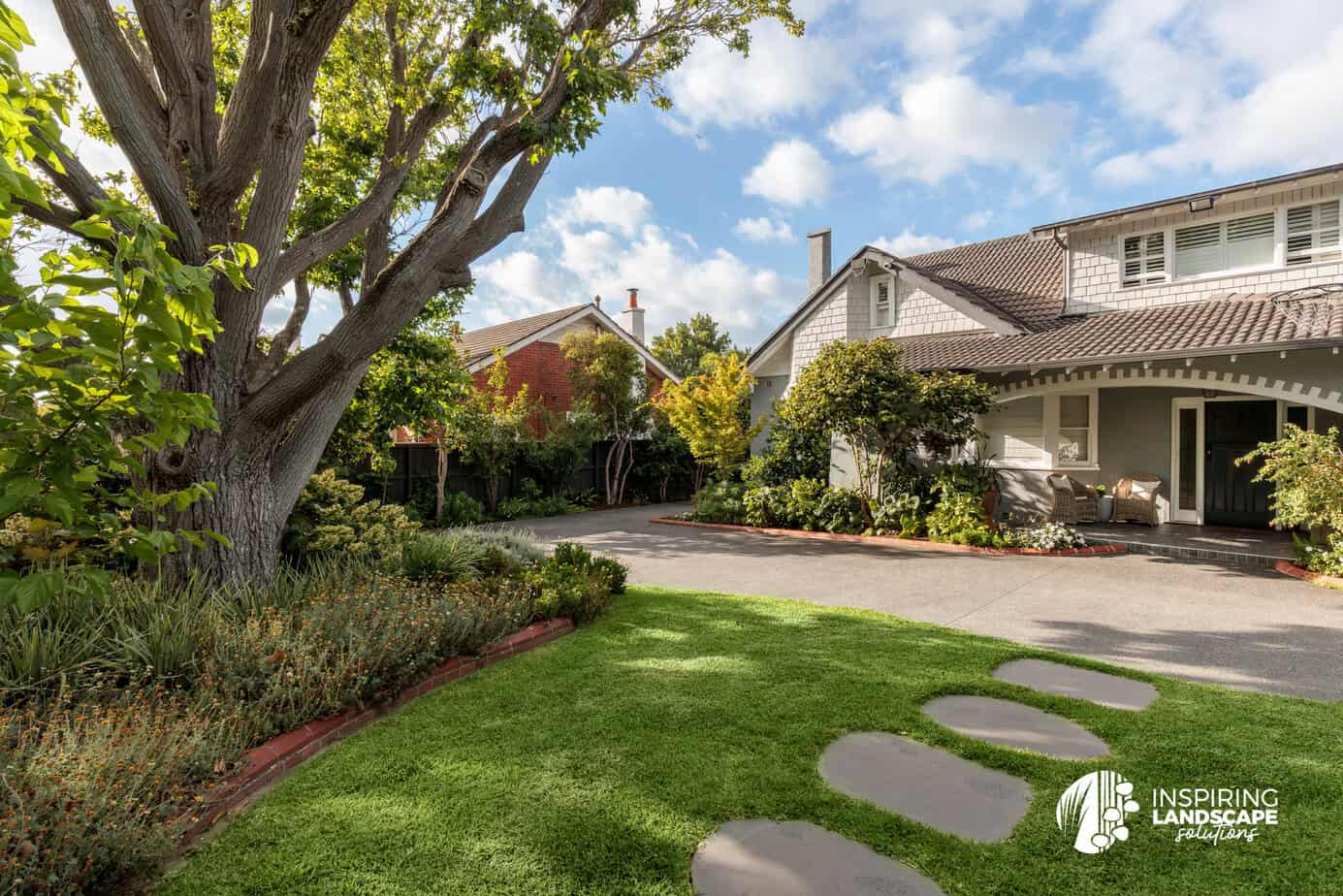
less pressured, appreciating their garden’s natural evolution. Gardens are living environments that evolve naturally over time. They don’t need to be reinvented every season to remain enjoyable.
In fact, some of my favourite projects looked their least impressive when they were first planted. Years later, they’ve become the garden clients tell me they love the most because they were designed to mature gracefully rather than deliver immediate impact.
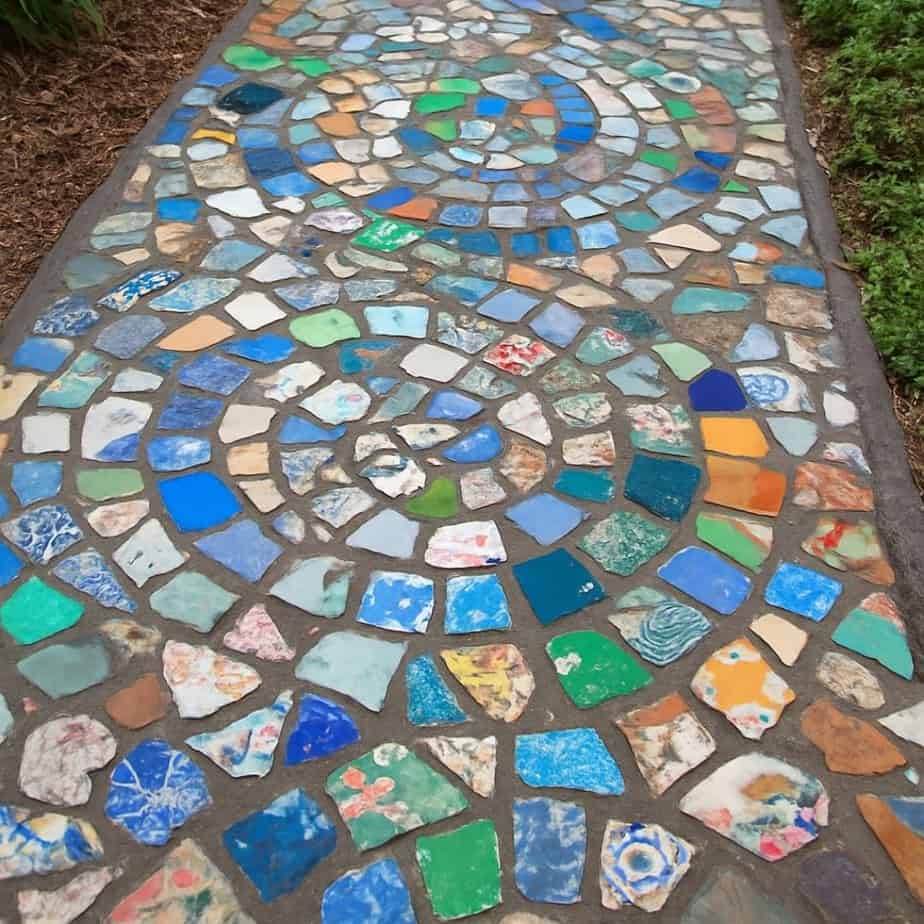
How to Use Garden Trends Without Dating Your Garden
Enjoying garden trends doesn’t mean you need to avoid them completely. Instead, think of trends as sources of inspiration rather than strict rules.
As a landscape designer, I often encourage clients to separate permanent decisions from fashionable ones.
Foundations such as levels, circulation, trees and structure should be long-lasting. Trends are better introduced through furnishings, pots and seasonal planting that can evolve.
Anna Navarro from Kalkallo recently shared:
“The consult with Parveen was more than I expected. She has a holistic approach to the design, and I also like how she explains items from a long-term view.”
Before committing to a new feature, ask yourself:
*Will I still enjoy this in five or ten years?
*Does it suit my lifestyle?
*Is it appropriate for my local climate?
*How much maintenance will it require?
*Can I incorporate this trend in a way that is easy and inexpensive to change later?
A smart approach is to invest in timeless landscape foundations and add trends through smaller, more flexible elements. Outdoor cushions, decorative pots, accessories, seasonal plants, and colour schemes can all be updated relatively easily and affordably. Structural elements such as paving, major plantings, and permanent features should generally be chosen with longevity in mind.
Create a Garden That Reflects You
After designing residential landscapes across Melbourne for many years, one thing has become increasingly clear to me.
The gardens people treasure most aren’t usually the ones that followed the latest trend. They’re the ones that feel effortless to live in years later.
They still welcome friends, still frame beautiful views from inside the house, still suit changing families, and
still feel connected to the place they’re built in. That’s the difference between designing for fashion and designing for longevity. The best investment isn’t chasing the latest garden trends. It’s creating an enduring landscape that continues to add beauty, enjoyment and value for decades. Trends come and go, but gardens designed around people, place, and purpose never go out of style.




Leave a Comment