• Home
    Home
  • Main Portfolio
    Main Portfolio
  • MIFGS 2023
    MIFGS 2023
  • MIFGS 2024
    MIFGS 2024
  • About Us
    About Us
  • Our Process
    Our Process
  • Services
    Services
    • Custom Design
      Custom Design
      • Feng Shui Garden Design
        Feng Shui Garden Design
    • Design Implementation
      Design Implementation
    • Construction & Maintenance
      Construction & Maintenance
    • DIY – DesignedBliss4U
      DIY – DesignedBliss4U
    • Other Services
      Other Services
      • Staging for sale
        Staging for sale
      • Productive gardens
        Productive gardens
      • Rejuvenation projects
        Rejuvenation projects
  • Design Fees & Packages
    Design Fees & Packages
  • Media Publications
    Media Publications
  • Design Resources
    Design Resources
    • FAQs
      FAQs
    • Why use a designer?
      Why use a designer?
    • Ebooks & Videos
      Ebooks & Videos
    • Blog
      Blog
    • Before & After – Glen Waverley Garden Design
      Before & After – Glen Waverley Garden Design
    • Before & After – Blackburn Garden Design
      Before & After – Blackburn Garden Design
    • Before & After – Hawthorn Garden Design
      Before & After – Hawthorn Garden Design
    • Case study – Water Features
      Case study – Water Features
    • Case Study – Productive Garden Design
      Case Study – Productive Garden Design
    • Case study – Vertical Gardens
      Case study – Vertical Gardens
    • Case Study – Vegetable patches
      Case Study – Vegetable patches
    • Case Study – Soil testing
      Case Study – Soil testing
  • Contact Us
    Contact Us
  • Home
    Home
  • Main Portfolio
    Main Portfolio
  • MIFGS 2023
    MIFGS 2023
  • MIFGS 2024
    MIFGS 2024
  • About Us
    About Us
  • Our Process
    Our Process
  • Services
    Services
    • Custom Design
      Custom Design
      • Feng Shui Garden Design
        Feng Shui Garden Design
    • Design Implementation
      Design Implementation
    • Construction & Maintenance
      Construction & Maintenance
    • DIY – DesignedBliss4U
      DIY – DesignedBliss4U
    • Other Services
      Other Services
      • Staging for sale
        Staging for sale
      • Productive gardens
        Productive gardens
      • Rejuvenation projects
        Rejuvenation projects
  • Design Fees & Packages
    Design Fees & Packages
  • Media Publications
    Media Publications
  • Design Resources
    Design Resources
    • FAQs
      FAQs
    • Why use a designer?
      Why use a designer?
    • Ebooks & Videos
      Ebooks & Videos
    • Blog
      Blog
    • Before & After – Glen Waverley Garden Design
      Before & After – Glen Waverley Garden Design
    • Before & After – Blackburn Garden Design
      Before & After – Blackburn Garden Design
    • Before & After – Hawthorn Garden Design
      Before & After – Hawthorn Garden Design
    • Case study – Water Features
      Case study – Water Features
    • Case Study – Productive Garden Design
      Case Study – Productive Garden Design
    • Case study – Vertical Gardens
      Case study – Vertical Gardens
    • Case Study – Vegetable patches
      Case Study – Vegetable patches
    • Case Study – Soil testing
      Case Study – Soil testing
  • Contact Us
    Contact Us
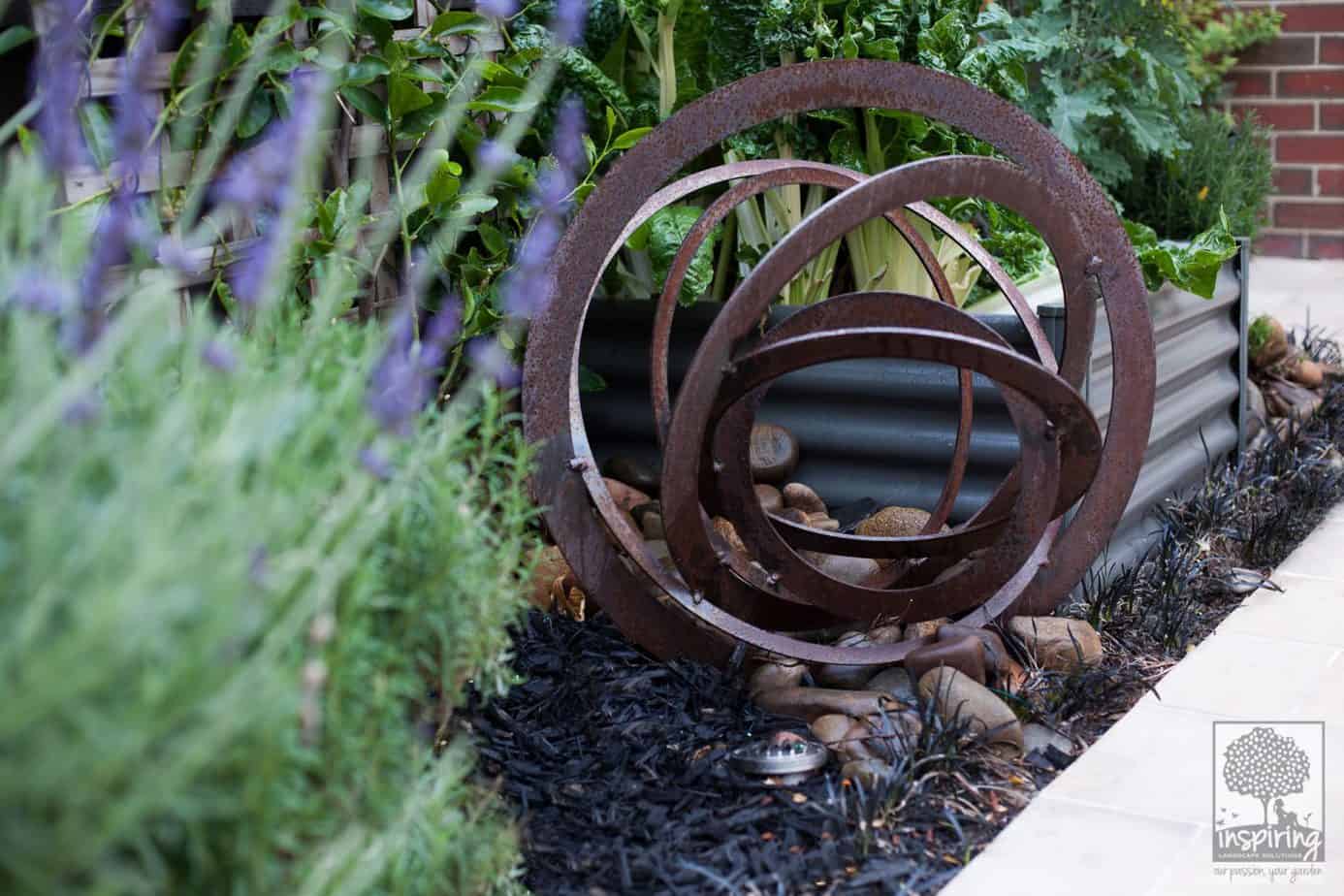
Closeup of garden sculpture used in Bundoora garden design

10 Edible Flowers That Will Be a Great Addition To Your Garden

September 8, 2021
-
Edibles, Flowers, Garden, Health, Plants, Scented gardens
-
Posted by Parveen

When it comes to gardening, the possibilities are vast, and enthusiasts are always looking for new ways to make their gardens beautiful and functional. Edible flowers are visually stunning and can elevate the overall appeal of your garden. Their vibrant colours and intricate shapes create a beautiful contrast from other plants.

Growing edible flowers is a fantastic way to add a touch of culinary delight to your garden. These delicate blooms contribute to the visual appeal of your landscape and offer a unique and delicious addition to your meals. Edible flowers come in various flavours, ranging from sweet and floral to spicy and tangy. This versatility allows you to experiment with combinations and use them in multiple dishes, catering to different taste preferences and culinary styles.

Many are not only aesthetically pleasing but also nutritious. They are rich in vitamins, minerals, and antioxidants, providing a healthy boost to your diet. Let’s take a look at ten edible flowers that will be a great addition to your garden:

Bright Colours and Smells Are A Must For Sensory Gardens

Lavender

Famous for its soothing fragrance, lavender is also a delightful addition to various culinary creations. Lavender has a unique and lovely flavour that sets it apart from other edible flowers. Its taste is floral, slightly sweet, and herbaceous, with hints of citrus and mint.

Lavender’s versatility makes it an excellent addition to sweet and savoury dishes. It can enhance a wide range of recipes, including desserts like cakes, cookies, ice creams, fruit salads, and tasty dishes such as roasted meats and stews. Be sure to use the flowers sparingly, as their taste can be overpowering.

Pansies

Pansies, known for their vibrant and cheerful appearance, are not just a treat for the eyes but also a delightful addition to the palate. They’re one of the most versatile edible flowers in various colours and patterns.

These edible flowers boast a mild, slightly grassy flavour, making them a popular choice for garnishing salads, desserts, and beverages, adding both visual appeal and a subtle floral essence to culinary creations. They can also be used to decorate cakes, and even float them in soups for an artistic touch.

Use various colours throughout your garden
Finger lime are known as the citrus caviar

Finger Lime

Known as the “citrus caviar,” finger lime produces elongated, colourful pearls that burst with tangy citrus flavours. These unique pearls add a burst of sophistication and can garnish salads, desserts, seafood dishes, or cocktails, making them a sought-after ingredient for chefs and home cooks alike.

Lemon Myrtle

Lemon myrtle, native to the rainforests of Australia, is a versatile and aromatic herb celebrated for its intense lemony fragrance and bright flavour profile. With glossy green leaves, this evergreen shrub is a powerhouse of essential oils, giving it a distinctly refreshing citrus aroma.

Widely used in culinary applications, lemon myrtle adds a zesty twist to both sweet and savoury dishes, ranging from desserts and marinades to teas. Its antimicrobial properties and high concentration of citral contribute not only to its culinary appeal but also to its traditional use for its potential health benefits.

Whether infused in beverages or incorporated into culinary creations, lemon myrtle stands out as a flavorful and aromatic herb that brings a taste of the Australian bush to kitchens around the world.

Lemon myrtle boasts an intense lemon flavour and aroma.
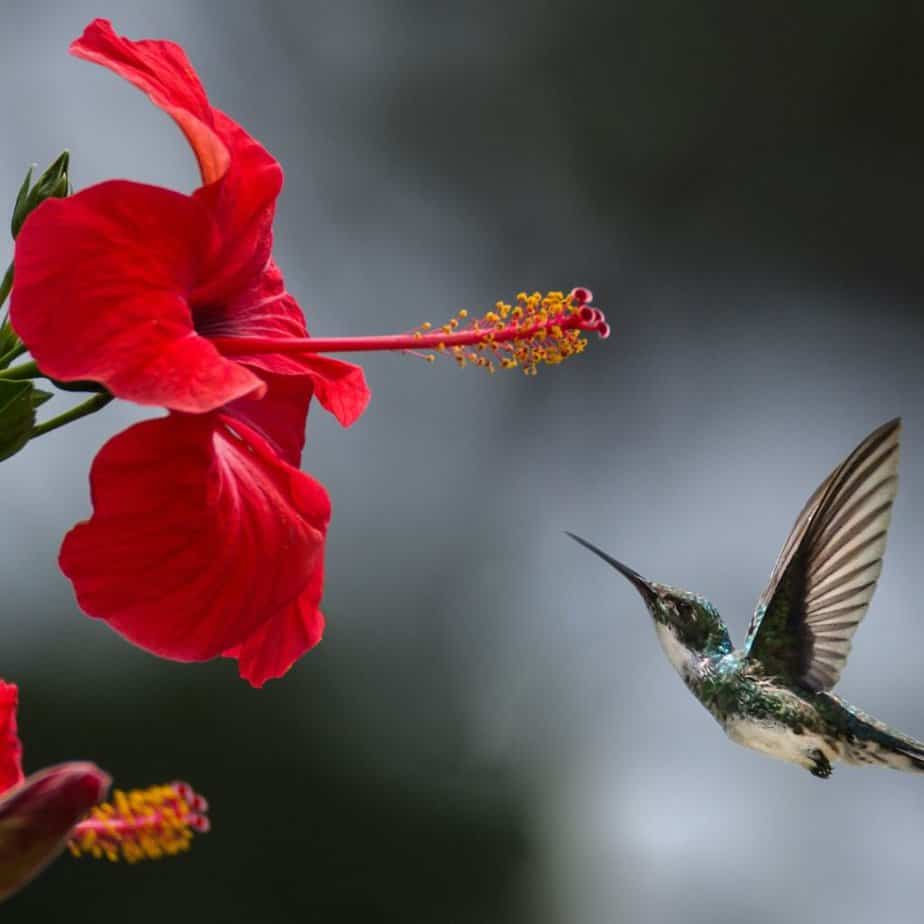
Where flowers meet wildlife

Native Hibiscus

Wild hibiscus, also known as wild hibiscus with its strikingly vibrant and intricate blossoms, is a flowering plant known for both its ornamental beauty and culinary versatility. The large, showy flowers come in an array of colours, adding a touch of tropical elegance to gardens and landscapes.

Beyond its aesthetic appeal, certain species of hibiscus, such as Hibiscus sabdariffa, offer edible calyces that are commonly used to create herbal teas and infusions. These calyces, when steeped, release a rich crimson hue and a tart, cranberry-like flavour, making wild hibiscus a popular ingredient in beverages (including herbal tea), jams, jellies, sauces and desserts.

With its dual role as a visual spectacle in gardens and a flavorful addition to the culinary world, wild hibiscus captivates both the eye and the palate.

Muntries

Muntries, also known as emu berries or native cranberries, are small, berry-like fruits native to Australia, particularly thriving in the southern regions. These diminutive berries, resembling miniature apples, pack a punch of sweet, spicy, and cranberry-like flavours. Rich in antioxidants and essential nutrients, muntries have been a traditional food source for Indigenous Australians.

In contemporary cuisine, they have gained popularity as a unique and flavorful addition to jams, desserts, and sauces. The distinct taste and nutritional benefits of muntries make them a sought-after ingredient, showcasing the rich diversity of Australia’s indigenous flora in the culinary world.

Muntries produce tiny, sweet berries that hint of spicy apple flavour.
Dandelions are entirely edible and offer a slightly bitter taste.

Dandelions

Dandelions, often dismissed as common weeds, possess an array of virtues that extend beyond their sunny yellow blooms. These resilient plants are not only hardy survivors in various climates but also offer a plethora of culinary and medicinal possibilities.

Every part of the dandelion, from its peppery leaves to its golden flowers and earthy roots, is edible and rich in vitamins and minerals. Culinary enthusiasts utilize dandelion greens in salads for a slightly bitter kick, while the flowers can be transformed into fragrant and subtly sweet dandelion wine or infused into syrups.

Roses

Roses, often celebrated for their enchanting fragrance and symbolic significance, also offer a delightful culinary dimension as edible flowers. With a delicate flavour profile that varies between subtly sweet and mildly tangy, rose petals are commonly used to infuse a touch of romance into culinary creations.

These fragrant blossoms are versatile, finding their way into teas, jams, desserts, and salads. Whether crystallised for confectionery, transformed into floral syrups, or simply scattered over a dish for a visual and aromatic flourish, edible roses elevate the sensory experience of food.

As an edible flower, roses not only contribute to the aesthetic appeal of dishes but also add a nuanced floral essence, inviting us to savour the beauty of nature in a culinary context.

Pink coloured rose
The colours of the chrysanthemums evoke the sunshine and calmness

Chrysanthemums

Chrysanthemums, revered for their ornate beauty in gardens, also step into the culinary realm as edible flowers with a unique flavour profile. Typically showcasing a mildly bittersweet taste, chrysanthemum petals are employed in various culinary applications, especially in Asian cuisine. These petals, when brewed into a fragrant tea, impart a subtle herbal note and are believed to have potential health benefits.

In addition to teas, chrysanthemum petals are creatively used in salads, garnishes for desserts, and even in traditional recipes like tempura. Beyond their visual appeal in floral arrangements, chrysanthemums bring a delicate and distinctive taste to the table, offering a delightful fusion of aesthetics and flavour in the world of edible flowers.

Violets

Violets, with their delicate petals and charming hues, are a visual delight in gardens and a delightful addition to culinary creations. These tiny, edible flowers are subtly sweet and floral, making them a perfect adornment for salads, desserts, and beverages.
Violets can be crystallised for confectionery, infused into syrups, or used as an elegant and aromatic garnish. Rich in antioxidants, violets have a long history of being used in herbal remedies, adding a healthful dimension to their culinary charm.

Edible flowers are a fantastic addition to any garden due to their culinary benefits, visual appeal, versatility, nutritional value, and positive environmental impact. From peppery nasturtiums to sweet violets, these flowers offer an array of flavours and colours that will transform your dishes into works of art. They provide a rewarding and enriching gardening experience beyond aesthetics, making your garden a thriving, vibrant, and sustainable space. Happy gardening and bon appétit!


Follow us on social media
  • Facebook
  • Instagram
  • Houzz
Email
PREVIOUS POST
Pollinators In Your Garden
NEXT POST
The Significance of Garden Art: A Necessity or a Luxury?

Parveen

Recent Posts
  • What Summer Reveals About Your Garden (And How to Fix It)
  • Simple Garden Tips to Set Your Garden Up for 2026
  • Prediction – Landscape Garden Trends For 2026 in Australia
  • How to Create a Slow Living Garden
  • When Landscape Designers and Architects Join Forces, Gardens Come Alive
Instagram

inspiringlandscapes.com.au

☀️🌿 “Summertime is always the best of wha ☀️🌿 “Summertime is always the best of what might be.”⁠
⁠
Summer carries possibility in the air. Longer days, warmer evenings, and that familiar feeling that anything could happen, or at least slow down enough to be noticed. It’s the season where plans feel lighter, conversations last longer, and time spent outdoors feels effortless.⁠
⁠
In the garden, summertime shows us potential at its fullest. Plants are thriving, spaces are being lived in, and moments are made almost without trying. It’s where memories form quietly: barefoot walks, shared meals, golden light at dusk; all wrapped up in the promise of what might be.⁠
⁠
Maybe that’s why summer feels so hopeful. It reminds us to enjoy what’s here, while still dreaming of what’s ahead.⁠
⁠
🌱 Here’s to soaking up the season, one warm moment at a time.⁠
🌾✨ A great garden isn’t just something you 🌾✨ A great garden isn’t just something you look at, it’s something you feel.⁠
⁠
Movement is one of the most underrated elements in garden design. The way ornamental grasses sway in the breeze, leaves rustle overhead, water gently ripples, or light shifts across a space throughout the day, these moments bring a garden to life.⁠
⁠
Movement adds rhythm, softness, and calm. It slows us down. It draws our attention. And it creates gardens that feel immersive rather than static. ⁠
⁠
Whether it’s through plants, water features, or even the way pathways guide you through a space, movement shapes how a garden is experienced, not just how it looks.⁠
⁠
We’ve explored this idea in our latest blog “Movement in the Garden” 🌿⁠
⁠
👉 Read the blog below and discover how thoughtful movement can transform the way your garden feels every single day: https://inspiringlandscapes.com.au/movement-in-the-garden/⁠
🧡✨ Roses are lovely… but orchids? Orchids t 🧡✨ Roses are lovely… but orchids? Orchids tell a love story that lasts.⁠
⁠
Orchids are the ultimate Valentine’s Day flower for when you want to give something a little more meaningful. They symbolise love, beauty, strength, and luxury; all wrapped up in a bloom that doesn’t fade after a few days.⁠
⁠
Unlike a traditional bouquet, orchids keep flowering long after Valentine’s Day has passed. They’re elegant, sculptural, and quietly romantic, making them perfect for someone who appreciates beauty with depth. ⁠
⁠
Every new bloom feels like a reminder of the moment they were given; thoughtful, intentional, and enduring.⁠
⁠
They also suit any kind of love story. Modern or classic. Bold or understated. Orchids don’t shout, they captivate.⁠
⁠
🧡 This Valentine’s Day, skip the expected and give a flower that keeps saying “I love you” long after the chocolates are gone.⁠
⁠
👉 Would you choose an orchid over roses?⁠
⁠
⁠📸Orchids from my Glen Iris project
🌿🌀 This plant looks like nature’s mathemat 🌿🌀 This plant looks like nature’s mathematician designed it.⁠
⁠
Meet the Spiral Aloe (Aloe polyphylla), one of the most mesmerising succulents you’ll ever see. Its perfectly symmetrical spiral isn’t trimmed, trained, or styled, and it grows that way naturally, forming a flawless geometric pattern that feels almost too perfect to be real.⁠
⁠
✨ Fun fact #1: The spiral can turn clockwise or anti-clockwise, and once it chooses a direction, it keeps it for life.⁠
⁠
✨ Fun fact #2: Native to the mountains of Lesotho, spiral aloes are adapted to cool nights and rocky slopes, which is why they prefer excellent drainage and don’t love extreme heat.⁠
⁠
Beyond its striking form, this plant brings a sculptural, almost architectural feel to the garden. It works beautifully as a feature plant, in pots or rockeries, where its shape can be fully admired from above.⁠
⁠
A reminder that sometimes the most incredible design already exists in nature, all we have to do is notice it.⁠
⁠
Would you plant a spiral aloe as a statement piece in your garden?⁠⁠
⁠
📸 Murrumbeena project detail
🌿✨ Good garden design doesn’t start with pl 🌿✨ Good garden design doesn’t start with plants; it starts with understanding the space.⁠
⁠
These design images are from my Mitcham design project from May 2025. This project was a perfect reminder of why proper site analysis and a clear brief are so important. Taking the time upfront to really understand how a site works (and doesn’t work!) makes all the difference once design begins.⁠
⁠
Elevation drawings played a huge role here, too. They help clients truly feel the design, not just see it, by showing spatial relationships, levels, and the complexity of elements involved. It’s where ideas start to feel real.⁠
⁠
This garden also became a bit of a creative playground; one massive exercise in maximising the potential of the small courtyard spaces, experimenting with new ideas, textures, and plant combinations. Challenging? Absolutely. But also incredibly rewarding.⁠
⁠
Planting-wise, the focus was on adding diversity and softness, while keeping the palette as safe as possible for the resident goldfish 🐟💛. And yes, that path leading to the street? It’s there because they love stopping to say hello to friendly neighbours as they pass by.⁠
⁠
Here’s what my client had to say:⁠
⁠
“Had a positive experience working with Parveen on a plan for our small backyard. We found her very creative and easy to work with. She was great in communication and helping us to understand the issues and how to overcome them.⁠
⁠
Shabnam Fz”⁠
⁠
Thoughtful design, collaboration, and a little personality; that’s where the magic happens 🌱⁠
⁠
📸Pic 1⁠ Layout of the rear courtyard⁠
📸Pic 2: Elevation 1 - BBQ⁠ area⁠
📸Pic 3: Elevation 2⁠
📸Pic 4: Elevation 3⁠
📸Pic 5: Elevation 4⁠
✨🌿 If you’ve ever wondered what happens whe ✨🌿 If you’ve ever wondered what happens when nature meets pure magic, this is it.⁠
⁠
Every year, the Lightscape at Melbourne’s Royal Botanic Gardens transforms the gardens into an after-dark wonderland, and honestly, it never gets old. ⁠
⁠
Trees glow, pathways shimmer, and familiar garden spaces suddenly feel like you’ve stepped into another world.⁠
⁠
What makes it so special isn’t just the lights (though they’re incredible). It’s the way they highlight the shapes of trees, the textures of leaves, and the quiet beauty of the landscape itself. The gardens don’t disappear; they come alive in a whole new way.⁠
⁠
It’s equal parts peaceful and awe-inspiring. A place where kids are wide-eyed, adults slow their pace, and everyone forgets about their phones for a moment. Proof that gardens don’t stop being magical when the sun goes down.⁠
⁠
🌙 If you haven’t experienced it yet, put it on your list. And if you have, you know exactly what we mean.⁠ ⁠
⁠
It usually starts in June and goes for a couple of weeks!⁠
🌱✨ “Life begins the day you start a garden. 🌱✨ “Life begins the day you start a garden.”⁠
⁠
There’s something quietly powerful about that idea. Starting a garden isn’t just about planting flowers or filling a space; it’s about choosing to slow down, to nurture something over time, and to connect more deeply with the world around you. ⁠
⁠
The moment you plant that first seed, you begin to notice the seasons, the weather, and the small signs of growth you might once have rushed past.⁠
⁠
Gardening teaches patience and presence. It reminds us that progress doesn’t need to be instant to be meaningful, and that tending to living things can bring a sense of purpose and calm that carries into everyday life.⁠
⁠
🌿 If you’ve been thinking about starting a garden, big or small, let this be your sign. Begin where you are, and let it grow from there.⁠
⁠
What was the first thing you ever planted, or what would you love to grow next? 💚⁠
🌿🏡 Your gazebo isn’t just a structure; it’s a front-row seat to outdoor living.⁠
⁠
Gazebos, pergolas, and outdoor structures work hard. They shade long lunches, shelter conversations, and quietly weather every season so we can enjoy being outside. But unlike plants, they don’t always show stress straight away; until one day they suddenly do.⁠
⁠
The secret to maintaining outdoor structures isn’t big annual overhauls. It’s small, observant check-ins. Notice how water moves after rain. Listen for creaks or movement on windy days. ⁠
⁠
Feel surfaces: are they rougher, softer, hotter than they used to be? These little clues tell you far more than a checklist ever will.⁠
⁠
Keep fixings tight, clear leaves and debris before moisture gets trapped, and don’t ignore tiny cracks or rust spots.  They’re early warnings, not cosmetic flaws. ⁠
⁠
Timber structures benefit from occasional cleaning and resealing, while metal elements love a quick inspection before corrosion settles in.⁠
⁠
Think of maintenance as respect rather than repair. When outdoor structures are cared for thoughtfully, they age beautifully, becoming part of the garden’s story rather than something that needs constant attention.⁠
⁠
🌱 A well-looked-after gazebo doesn’t just last longer; it continues to invite you outside, season after season.⁠
⁠
📸 Mooroolbark Phase 1 (2025)
🤍🌿 Not all garden stars shout for attention; 🤍🌿 Not all garden stars shout for attention; some quietly steal your heart.⁠
⁠
Enter cream clivias. Subtle, elegant, and completely captivating. While their bright orange cousins are bold and cheerful, cream clivias bring a softness that feels calm, refined, and effortlessly timeless.⁠
⁠
Their creamy blooms glow in shaded garden spaces, lighting up areas where other plants struggle; under trees, along pathways, or tucked into quiet corners. ⁠
⁠And the best part? They’re tough. Once established, clivias are wonderfully low-maintenance, drought-tolerant, and long-living, making them a joy for gardeners who love beauty without fuss.⁠
⁠
Cream clivias also create a sense of calm in the garden. They pair beautifully with deep green foliage, natural stone, and timber, and they shine even more when planted in groups. It’s understated elegance at its finest; proof that sometimes the softest colours leave the strongest impression.⁠
⁠
🌱 If you’re looking for a plant that brings grace, longevity, and quiet confidence to your garden, cream clivias might be your perfect match.⁠
⁠
👉 Do you prefer the classic orange clivia, or are you team cream?⁠⁠
⁠
📸Snap from my gorgeous client in Berwick⁠
🌞Summer is the season your garden tells the tru 🌞Summer is the season your garden tells the truth🌞⁠
⁠
When the heat settles in, gardens stop being polite. Plants either thrive or struggle, shady spots become prized real estate, and suddenly you realise which areas you actually use, and which ones you quietly avoid.⁠
⁠
Summer reveals a lot. It shows you where shade is missing, where water is being wasted, and which plants are doing all the hard work without complaint. ⁠
⁠
It also highlights design decisions that looked fine in winter but don’t quite stack up when temperatures rise.⁠
⁠
And here’s the good part: none of this is bad news. It’s insight. Once you understand what summer is showing you, fixing these issues becomes far more intentional and far less overwhelming. ⁠
⁠
Often, small adjustments now can completely change how your garden feels next year.⁠
⁠
We’ve unpacked all of this in our latest blog: What Summer Reveals About Your Garden (And How to Fix It) 🌿⁠
⁠
👉 Read the blog and start using summer as your garden’s greatest teacher: https://inspiringlandscapes.com.au/what-summer-reveals-about-your-garden-and-how-to-fix-it/ ☀️🌱⁠
Forest Hill, 2025 design approved by the City of W Forest Hill, 2025 design approved by the City of Whitehorse! 🥅⚽️🌳⁠
⁠
Love it when the work year begins with so many positives & invigorates me to pump out some more exciting designs this coming year!!!⁠
⁠
This one was a challenging engagement purely from a stakeholder management perspective!!!⁠ On top of the usual stream of documentation for any of my designs, this involved much more paperwork as the process unfolded, to convey the design aesthetic, vision, and strategies to other stakeholders (council, neighbours, and local wildlife groups). ⁠
⁠
The clients and I were very proactive and engaged with the City planners, and finally got this approved with no objections from the neighbourhood wildlife groups or neighbours! 🌟⁠
⁠
Bonus: the client’s nature strip planting was approved, too! 🤩 They can have a “larger” front garden to enjoy whilst sharing it with local birdlife and supporting wildlife habitat too!⁠ Love it when it’s a win-win and everyone is happy with the outcome!!⁠
⁠
I must say it has also been a pleasure working with Gokul and Danielle on this design. They were fully engaged, provided detailed feedback, and remained collaborative throughout. It was fun, and the creativity just flowed! ⁠
⁠
I’m really looking forward to the final phase now, in the next couple of months, bringing it to life and tweaking the design further with their landscaping team to create the outdoor space they will enjoy and love! ⁠
⁠
Below is a very thoughtful review from Gokul:⁠
⁠
“I engaged Parveen to design our landscape and help navigate the complex council requirements  Her attention to detail and knowledge of the process have been outstanding  She’s been incredibly supportive throughout, and I’m excited to see her vision come to life  Highly recommend!⁠”⁠
⁠
#ourpassionyourgarden #inspiringlandscapesolutions #clientreview #testimonials #foresthill⁠
⁠
📸 Pic 1: Forest Hill design: Rear garden 2025⁠
📸 Pic 1: Forest Hill design: Front garden 2025⁠
📸 Pic 3: Forest Hill design: Additional documentation required for council approval purposes, page 1 of 8!⁠
Nothing shouts a garden mural more than a mural of Nothing shouts a garden mural more than a mural of stunning Australian flowers and birds. Obviously, this may be a tad too big for your garden wall, but can you imagine how gorgeous a smaller version of this would look?⁠
⁠
You would be the talk of your neighbourhood. If you were to design an Australian mural for your garden, what would it include? Let us know in the comments below.⁠
⁠
📸 Mooroolbark, Victoria
🌿✨ “A garden is where the soul finds solace 🌿✨ “A garden is where the soul finds solace, and the heart finds peace.”⁠
⁠
There’s a reason this feels so true the moment you step outside. A garden asks nothing of us except to slow down. To breathe. To notice the quiet rhythm of growth happening whether we rush or not.⁠
⁠
In the garden, worries soften. Hands in the soil steady the mind. Watching a plant grow, leaf by leaf, season by season, reminds us that not everything needs to happen all at once. Some things unfold in their own time.⁠
⁠
Whether it’s a sprawling backyard or a small corner filled with pots, gardens become places of refuge. They hold our pauses, our reflections, and our moments of calm. And in a world that’s often loud and fast, that kind of peace is something truly special.⁠
⁠
🌱 May your garden always be a place where you feel grounded, restored, and at home.⁠
💚Natives. 💚⁠ ⁠ Late post!!!😆 On Aust 💚Natives. 💚⁠
⁠
Late post!!!😆

On Australia Day, our gardens quietly reflect the beauty and resilience of this country. From the soft silvery foliage of eucalypts to the vibrant blooms of grevilleas, banksias, and kangaroo paws, our native plants tell a story shaped by sun, wind, and time.⁠
⁠
These plants don’t just look good; they belong here. They thrive in our climate, support local birds and pollinators, and remind us of the deep connection between land and life. ⁠
⁠
A garden filled with natives hums with activity: honeyeaters darting between flowers, bees working tirelessly, leaves moving gently in the summer breeze.⁠
⁠
Australia Day is a moment to step outside, feel the warmth of the day, and appreciate the natural beauty growing right at our feet. ⁠
⁠
Whether it’s a backyard BBQ under a gum tree, a native wildflower in bloom, or a quiet pause in the shade, our gardens offer a space to reflect, connect, and celebrate.⁠
⁠
🌱 Here’s to Australia; its landscapes, its flora, and the gardens that bring a little piece of it home.⁠ 💚⁠
🎨 Nature’s artwork. 🎨⁠ ⁠ A flower is n 🎨 Nature’s artwork. 🎨⁠
⁠
A flower is nature’s artwork, and the more colours it carries, the more breathtaking the masterpiece. 🌸⁠
⁠
When you really pause to look at a flower with layers of colour, it’s impossible not to see it as a piece of art. The way one hue gently fades into another, the contrast between the centre and the petals, the fine lines and patterns that look almost hand-painted; it’s design at its most effortless and extraordinary.⁠
⁠
No two blooms are ever the same. Each one is a unique creation, shaped by light, soil, weather, and time. And just like art, a multi-coloured flower invites you to slow down, look closer, and notice the details you might otherwise rush past.⁠
⁠
In the garden, these flowers do more than add colour. They bring depth, movement, and emotion. They remind us that beauty doesn’t have to be uniform; sometimes it’s the blending, the variation, and the contrast that make something truly special.⁠
⁠
Next time you spot a flower bursting with colour, treat it like a gallery moment. Pause. Observe. Appreciate. Nature has been quietly creating masterpieces all along. 🌿✨⁠
⁠
📸2021 Murrumbeena project⁠ detail
⁠
@paul.osta.photography⁠
🌱🥕 Growing food at home isn’t just a trend 🌱🥕 Growing food at home isn’t just a trend; it’s a mindset shift.⁠
⁠
More people are turning to veggie patches, herb pots, and fruit trees to slow down, reconnect with the seasons, and feel more involved in what they eat. Even the smallest harvest brings a sense of pride and purpose.⁠
⁠
For families, it’s a chance to show kids where food really comes from. For adults, it’s grounding, rewarding, and surprisingly therapeutic. Beyond the personal benefits, growing food supports sustainability and better uses our garden spaces.⁠
⁠
🌿 Whether it’s a full veggie patch or a few pots on a balcony, growing food is about connection: to nature, to nourishment, and to ourselves.⁠
⁠
📸 Pic 1 2022 Kew Project: Rear garden vegetable patch and edible planting⁠
📸 Pic 2 2022 Bundoora project: Citrus espaliers
📸 Pic 3 2022 Bundoora project: Mini vegetable patch⁠
📸 Pic 4 2018 Camberwell project: Cumquat hedge⁠
📸 Pic 5 2012 Vermont South A project detail: Lemonade fruit⁠
📸 Pic 6 2016 Blackburn project: Mini orchard⁠
📸 Pic 7 2016 Blackburn project: Edible planting⁠
📸 Pic 8 2019 Mount Barker, SA project: Mini orchard⁠
📸 Pic 9 2022 Bundoora Project: Vegetables in pots
📸 Pic 10 2022 Glen Waverley: Vegetable patch⁠
🌱✨ Want a better garden in 2026 without worki 🌱✨ Want a better garden in 2026 without working harder?⁠
⁠
The secret isn’t doing more; it’s doing the right things now. Late summer is the perfect time to pause, observe, and make small, intentional changes that set your garden up for long-term success.⁠
⁠
From improving soil health and choosing low-maintenance plants to rethinking how you actually use your outdoor space, a few simple garden tips can make a world of difference. The kind that leads to healthier plants, less maintenance, and a garden that feels calmer and easier to enjoy.⁠
⁠
We’ve broken it all down in our latest blog: Simple Garden Tips to Set Your Garden Up for 2026 🌿⁠
⁠
👉 Read the blog and give your future garden (and future you) a head start:⁠
https://inspiringlandscapes.com.au/simple-garden-tips-to-set-your-garden-up-for-2026/ 🌱⁠
🍷 Your outdoor entertaining area should always 🍷 Your outdoor entertaining area should always feel ready for a “why not?” moment. 🍷⁠
⁠
You know the ones: unexpected guests, last-minute BBQs, warm nights that turn into long conversations. A great entertaining space isn’t just well-designed, it’s well-maintained, too.⁠
⁠
A few thoughtful habits keep it feeling effortless:⁠
⁠
✨ Wipe down benches and tables regularly so they’re always guest-ready⁠
🌿 Keep plants lightly trimmed so the space feels open, not overgrown⁠
💡 Check lighting: good lighting sets the mood and keeps things safe⁠
🪑 Give outdoor furniture some love (covers, quick cleans, shade when possible)⁠
🧹 Clear leaves and debris before they become a bigger job⁠
⁠
When your outdoor area is easy to care for, it’s easier to use.⁠
Less prep. Less stress. More time enjoying good food, fresh air, and great company.⁠
⁠
What makes an outdoor entertaining space feel inviting to you? 🍕⁠
⁠
📸2022 Narre Warren Project rear garden & alfresco⁠
⁠
@paul.osta.photography⁠
Gardening asks us to believe in something we can’t see yet, a tiny seed, holding the promise of colour, growth, and life. And every time we plant one, we’re quietly trusting that magic still exists.⁠
⁠
That childlike belief shows up when we check the soil each morning, when we celebrate the first green shoot, and when we imagine what might bloom weeks or months from now. ⁠
⁠
Gardening keeps wonder alive. It reminds us to be patient, hopeful, and open to small miracles.⁠
⁠
Maybe that’s why time in the garden feels so grounding; it reconnects us with curiosity, optimism, and the simple joy of watching something grow.⁠
⁠
👉 What’s a plant you’re currently waiting (and hoping!) to see sprout? 🌿⁠
💬 “What am I actually paying for?”⁠ ⁠
⁠
Ever received a landscaping quote and thought about that?⁠
⁠
Getting better landscaping quotes isn’t about chasing the cheapest number; it’s about clarity, confidence, and value. A good quote should tell a story, not leave you guessing.⁠
⁠
The best landscaping quotes clearly outline what’s included, what’s not, timelines, materials, and allowances, so there are no surprises down the track. They’re based on honest conversations, site visits, and an understanding of how you actually want to use your outdoor space, not generic assumptions.⁠
⁠
When you know what questions to ask and what to look for, comparing quotes becomes easier and smarter. Suddenly, you’re not just comparing prices, you’re comparing experience, transparency, and long-term outcomes.⁠
⁠
👉 Our latest blog breaks down exactly how to get better landscaping quotes (and avoid costly mistakes along the way). If you’re planning a garden or outdoor project, this one’s a must-read:⁠
⁠
https://inspiringlandscapes.com.au/landscape-quote-process/⁠
⁠
📸 2016 Glen Waverley project detail⁠
Follow on Instagram
Archives
  • February 2026
  • January 2026
  • December 2025
  • November 2025
  • October 2025
  • August 2025
  • July 2025
  • June 2025
  • May 2025
  • April 2025
  • March 2025
  • January 2025
  • November 2024
  • October 2024
  • September 2024
  • July 2024
  • June 2024
  • May 2024
  • April 2024
  • February 2024
  • January 2024
  • December 2023
  • November 2023
  • September 2023
  • August 2023
  • July 2023
  • June 2023
  • May 2023
  • April 2023
  • March 2023
  • December 2022
  • November 2022
  • October 2022
  • July 2022
  • June 2022
  • April 2022
  • March 2022
  • January 2022
  • December 2021
  • September 2021
  • August 2021
  • July 2021
  • May 2021
  • April 2021
  • March 2021
  • February 2021
  • January 2021
  • December 2020
  • November 2020
  • October 2020
  • September 2020
  • August 2020
  • July 2020
  • June 2020
  • May 2020
  • April 2020
  • March 2020
  • February 2020
  • January 2020
  • December 2019
  • November 2019
  • October 2019
  • September 2019
  • August 2019
  • July 2019
  • June 2019
  • May 2019
  • April 2019
  • March 2019
  • February 2019
  • January 2019
  • December 2018
  • November 2018
  • October 2018
  • September 2018
  • August 2018
  • July 2018
  • June 2018
  • May 2018
  • April 2018
  • March 2018
  • February 2018
  • January 2018
  • December 2017
  • November 2017
  • October 2017
  • September 2017
  • August 2017
  • July 2017
  • June 2017
  • May 2017
  • April 2017
  • March 2017
Categories
  • Animals
  • Arbour
  • Architects
  • Art
  • Australian Natives
  • Balcony Gardens
  • Biophilia
  • Birds
  • Blog
  • Budgeting
  • Children
  • Colour
  • Colour and Scent
  • Construction
  • Decking
  • Design
  • Edibles
  • Feng Shui
  • Flower and Garden Shows
  • Flowers
  • Garden
  • Garden and Landscaping Trends
  • Garden Design
  • Gardening For Beginners
  • Gardens for Life
  • Health
  • Home
  • Home office
  • Irrigation
  • Landscape Design
  • Landscaping
  • Lawn
  • Maintenance
  • Materials
  • Nature
  • Outdoor Entertaining
  • Paving
  • Plant collectors
  • Plants
  • Productive gardening
  • Productive gardens
  • Propagation
  • Pruning
  • Scented gardens
  • Seasonal tips
  • Site surveys
  • Soil pH
  • Staging for sale
  • Structures
  • Sustainable Gardening
  • Uncategorized
  • Water Features
  • Weather
  • Wildlife

Related News

Other posts that you should not miss
Long-shot view of a chartreuse Cercis Canadensis tree surrounded by jasmine in the Brunswick East rear garden design

What Summer Reveals About Your Garden (And How to Fix It)

February 3, 2026
-
Posted by Parveen
Summer has a funny way of telling the truth. When the heat lingers, the sun is relentless, and outdoor spaces are used…
Read More →
Australian Natives, Decking, Design, Edibles, Flowers, Garden, Garden Design, Gardening For Beginners, Gardens for Life, Irrigation, Landscape Design, Landscaping, Lawn, Maintenance, Outdoor Entertaining, Plants, Seasonal tips, Uncategorized, Weather
7 MIN READ
Memorial Drive NW

Simple Garden Tips to Set Your Garden Up for 2026

January 2, 2026
-
Posted by Parveen
The beginning of a new year often brings a quiet moment of reflection, and for many of us, that reflection naturally extends…
Read More →
Design, Garden, Garden Design, Gardens for Life, Irrigation, Landscape Design, Maintenance, Materials, Plants, Sustainable Gardening, Uncategorized
8 MIN READ
Use a table top fountain to make your own water oasis

Prediction – Landscape Garden Trends For 2026 in Australia

December 6, 2025
-
Posted by Parveen
Every year introduces a fresh wave of inspiration to garden design, but 2026 is shaping up to be one of the most…
Read More →
Design, Edibles, Flowers, Garden and Landscaping Trends, Garden Design, Landscape Design, Landscaping, Materials
9 MIN READ

Follow us on social media

  • Facebook
  • Instagram
  • Houzz

ACN: 617 529 914

contact +614 0332 9128

contact@inspiringlandscapes.com.au

 
10 Edible Flowers That Will Be a Great Addition To Your Garden - Inspiring Landscape Solutions