• Home
    Home
  • Main Portfolio
    Main Portfolio
  • MIFGS 2023
    MIFGS 2023
  • MIFGS 2024
    MIFGS 2024
  • About Us
    About Us
  • Our Process
    Our Process
  • Services
    Services
    • Custom Design
      Custom Design
      • Feng Shui Garden Design
        Feng Shui Garden Design
    • Design Implementation
      Design Implementation
    • Construction & Maintenance
      Construction & Maintenance
    • DIY – DesignedBliss4U
      DIY – DesignedBliss4U
    • Other Services
      Other Services
      • Staging for sale
        Staging for sale
      • Productive gardens
        Productive gardens
      • Rejuvenation projects
        Rejuvenation projects
  • Design Fees & Packages
    Design Fees & Packages
  • Media Publications
    Media Publications
  • Design Resources
    Design Resources
    • FAQs
      FAQs
    • Why use a designer?
      Why use a designer?
    • Ebooks & Videos
      Ebooks & Videos
    • Blog
      Blog
    • Before & After – Glen Waverley Garden Design
      Before & After – Glen Waverley Garden Design
    • Before & After – Blackburn Garden Design
      Before & After – Blackburn Garden Design
    • Before & After – Hawthorn Garden Design
      Before & After – Hawthorn Garden Design
    • Case study – Water Features
      Case study – Water Features
    • Case Study – Productive Garden Design
      Case Study – Productive Garden Design
    • Case study – Vertical Gardens
      Case study – Vertical Gardens
    • Case Study – Vegetable patches
      Case Study – Vegetable patches
    • Case Study – Soil testing
      Case Study – Soil testing
  • Contact Us
    Contact Us
  • Home
    Home
  • Main Portfolio
    Main Portfolio
  • MIFGS 2023
    MIFGS 2023
  • MIFGS 2024
    MIFGS 2024
  • About Us
    About Us
  • Our Process
    Our Process
  • Services
    Services
    • Custom Design
      Custom Design
      • Feng Shui Garden Design
        Feng Shui Garden Design
    • Design Implementation
      Design Implementation
    • Construction & Maintenance
      Construction & Maintenance
    • DIY – DesignedBliss4U
      DIY – DesignedBliss4U
    • Other Services
      Other Services
      • Staging for sale
        Staging for sale
      • Productive gardens
        Productive gardens
      • Rejuvenation projects
        Rejuvenation projects
  • Design Fees & Packages
    Design Fees & Packages
  • Media Publications
    Media Publications
  • Design Resources
    Design Resources
    • FAQs
      FAQs
    • Why use a designer?
      Why use a designer?
    • Ebooks & Videos
      Ebooks & Videos
    • Blog
      Blog
    • Before & After – Glen Waverley Garden Design
      Before & After – Glen Waverley Garden Design
    • Before & After – Blackburn Garden Design
      Before & After – Blackburn Garden Design
    • Before & After – Hawthorn Garden Design
      Before & After – Hawthorn Garden Design
    • Case study – Water Features
      Case study – Water Features
    • Case Study – Productive Garden Design
      Case Study – Productive Garden Design
    • Case study – Vertical Gardens
      Case study – Vertical Gardens
    • Case Study – Vegetable patches
      Case Study – Vegetable patches
    • Case Study – Soil testing
      Case Study – Soil testing
  • Contact Us
    Contact Us
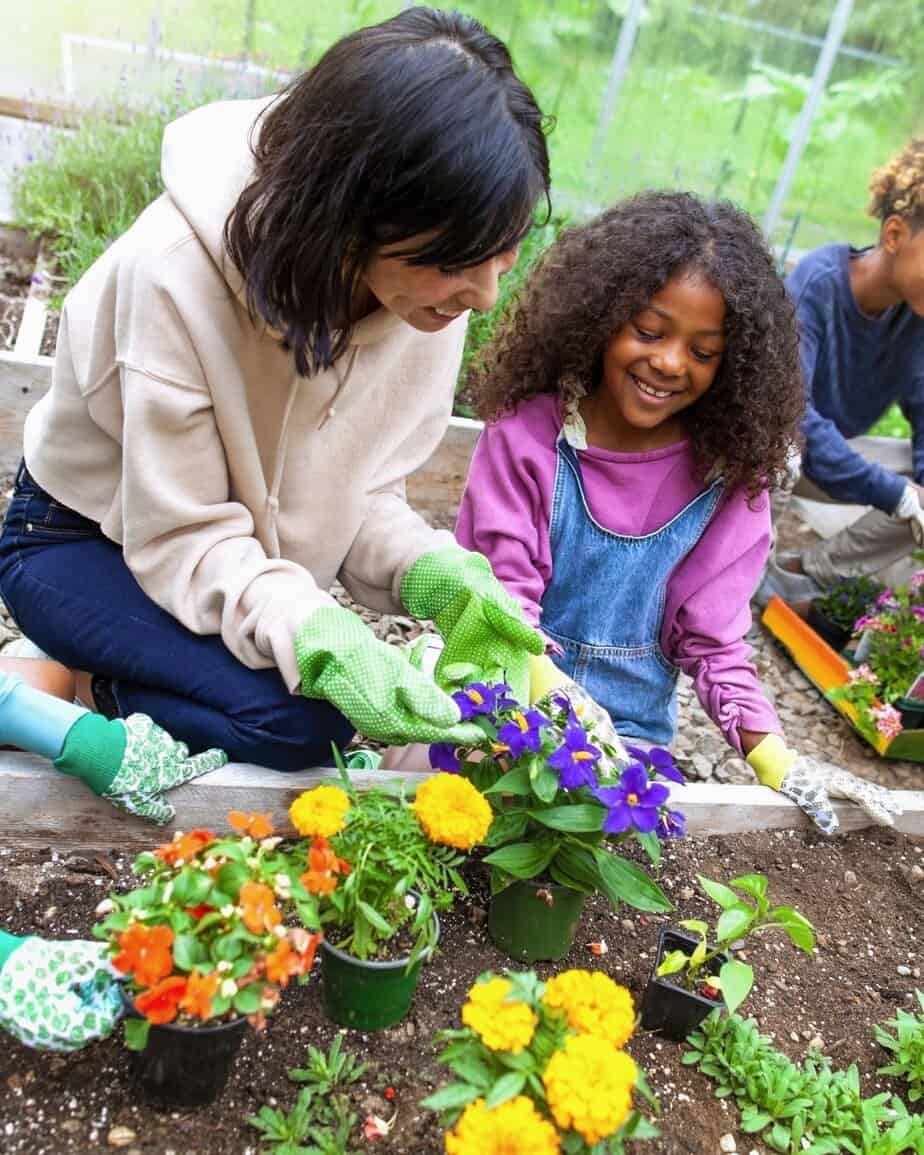
Family planting flowers in their garden

Designing a Garden That Grows With You

March 2, 2026
-
Australian Natives, Children, Construction, Design, Flowers, Garden, Garden Design, Gardens for Life, Irrigation, Landscaping, Lawn, Maintenance, Outdoor Entertaining, Plants, Seasonal tips, Sustainable Gardening, Uncategorized, Weather
-
No comments
-
Posted by Parveen

One of the biggest misconceptions about garden design is that a garden should feel finished. Perfectly styled. Locked in. Done. In reality, the most successful gardens are the ones that evolve alongside the people who live with them. 

That’s why emphasising flexible garden design is crucial for creating spaces that last, adapt, and continue to feel right as your life changes, keeping you engaged and inspired. Families grow. Priorities shift. Gardens designed with flexibility in mind will support those changes, making you feel confident in your choices.

Far-away shot of kid's cubbyhouse in back garden with the deck set up for entertaining

Why Designing a Garden That Grows With You Matters

Gardens aren’t static spaces, even though they’re often treated that way. What you need from your outdoor space today may look very different in five or ten years.

Designing a garden that grows with you means planning beyond the immediate moment and allowing room for life to unfold.

A garden that adapts can move with different life stages: from young families and busy schedules to quieter moments, changing mobility, or a desire for lower maintenance.

When flexibility is built into the design, the garden doesn’t need constant reworking. It simply evolves naturally. This approach also takes pressure off. Instead of chasing perfection, the focus shifts to longevity, comfort, and ease.

Designing a Garden That Grows With You, Not Against You

One of the biggest mistakes people make is designing a garden for a snapshot of their life. A space that looks incredible but requires constant upkeep, or one that suits entertaining now but doesn’t allow for quieter, everyday use later on.

Designing a garden that grows with you means asking deeper questions:

  1. How might this space need to function differently in the future?
  2. Which areas could change purpose over time?
  3. Where can flexibility be built in without compromising beauty?

Multi-purpose zones are a great example. A lawn area for children might later become a relaxed garden room.

Chimnea

A dining space could one day transition into a shaded retreat. When the bones of the garden are thoughtful, these shifts happen naturally

Closeup view of front garden in Kew garden design with mixed planting of edibles, exotics and perennials

Plant Choices That Support a Garden That Grows With You

Plants play a huge role in how adaptable a garden feels. Some planting schemes look amazing initially, but quickly become high-maintenance or overcrowded. Others mature beautifully and require less input over time.

Designing a garden that grows with you means selecting plants that age well. Trees that provide increasing shade

over time, shrubs that offer structure even as seasonal plants come and go, and perennials that quietly return each year without demanding attention. This approach helps you feel confident in your choices and reassures you that your garden can adapt over time. It’s also about allowing room for change.

Leaving space for future planting, experimentation, or personal additions keeps the garden feeling alive rather than locked in. Gardens should be allowed to grow, shift, and surprise you.

Flexibility Over Perfection in Garden Design

Perfection can be surprisingly limiting. Gardens designed to look flawless often leave little room for real life.

Muddy shoes, children’s toys, pets, spontaneous gatherings; these things are part of living, and gardens should accommodate them without stress.

Designing a garden that grows with you embraces imperfection.

Kids mural used in Blackburn landscape design by Parveen Dhaliwal

It allows for wear, seasonal changes, and evolving use. Materials that age gracefully, layouts that aren’t precious, and planting that softens rather than demands constant control all contribute to a garden that feels welcoming and forgiving. This mindset helps you feel at ease and less stressed about maintaining perfection in your outdoor space.

close-up shot of cushions, woven rug and treats on the back deck of Narre Warren landscape design

Having a Garden That Grows With You Throughout Your Life

One of the most powerful aspects of thoughtful garden design is its ability to support various life stages.

It allows your outdoor space to transition smoothly from energetic play areas to peaceful retreats, encouraging ongoing engagement along the way.

Early on, this might mean open areas for play and

movement. Later, it could shift towards seating, shade, and ease of access. Path widths, surface choices, and planting density all influence how usable a garden remains as needs change. Designing a garden that grows with you ensures the space remains supportive rather than needing to be “fixed” later.

Urban food garden in productive part of Kew landscape design

Low-Maintenance Choices That Age Well

As time goes on, most people want less work, not more. Gardens that demand constant attention can quickly become a burden, especially as schedules fill or priorities shift.

Designing a garden that grows with you means anticipating this. Choosing low-maintenance plants, efficient irrigation, and sensible layouts creates a garden that becomes easier to manage, not harder.

Over time, this allows the garden to feel like a retreat rather than another task on the list. A well-designed garden often reaches a point where it largely looks after itself, and that’s where the real magic happens.

Allowing Your Garden to Naturally Evolve

One of the most rewarding things about gardening is watching change happen slowly. Plants mature. Trees cast new patterns of shade. Spaces begin to feel familiar and lived-in.

Designing a garden that grows with you allows for this evolution rather than fighting it. Instead of constantly redesigning or replacing, you’re refining, adjusting, and responding.

View of outdoor decked alfresco area in Blackburn landscape design

This creates a deeper connection to the space and a sense of continuity that’s hard to replicate with frequent overhauls. Gardens that evolve naturally tend to feel more personal, more grounded, and more meaningful.
A Garden That Supports You Long Term

At its core, designing a garden that grows with you is about respect; for time, for lifestyle, and for change.

It’s about creating a space that doesn’t peak once and fade, but continues to support you as life shifts around it.

When gardens are designed this way, they become companions rather than projects. They hold memories, adapt quietly, and remain relevant long after trends pass, fostering loyalty and attachment to your outdoor space.

And that’s what truly great garden design does. It doesn’t just look good for a moment; it grows alongside you, season after season.


Follow us on social media
  • Facebook
  • Instagram
  • Houzz
Email
PREVIOUS POST
What Summer Reveals About Your Garden (And How to Fix It)
NEXT POST
Why Night Time Should Shape Your Garden Lighting Design

Parveen

Recent Posts
  • Why Biodiverse Planting Creates Better Gardens (Part 1)
  • The Real Cost of Chasing Garden Trends: Creating a Timeless Landscape Design for Melbourne Homes
  • Chelsea Flower Show 2026 Highlights and Trends
  • How Garden Designers Create a Connection Between People and Nature
  • Gardening Practices We Need to Learn From
Instagram

inspiringlandscapes.com.au

One succulent is never enough. 🌵⁠ ⁠ You buy one su One succulent is never enough. 🌵⁠
⁠
You buy one succulent. Just one. Next thing you know, you’re eyeing off every cute little rosette at the nursery and mentally rearranging the garden to make room for more. Sound familiar? 👀⁠
⁠
Well, here’s the good news: you might not need to buy more at all!⁠
⁠
Succulents are surprisingly easy to propagate, meaning you can grow new plants from leaves, stems, or even little baby plants called “pups.” ⁠
⁠
Yep, free plants! Your green thumb AND your wallet can thank us later. 🙌⁠
⁠
But there’s a little more to it than popping a leaf in some dirt and hoping for the best!⁠
⁠
Want to give your succulent-growing skills a boost? We’ve got tips to help you get started and grow your collection with a little less guesswork.⁠
⁠
👉 Go to the link below, and discover in our blog how to grow more succulents, because apparently, one is never enough!⁠
⁠
🔗 https://inspiringlandscapes.com.au/how-to-grow-succulents-2/⁠
Azaleas have entered the chat, and they’re not her Azaleas have entered the chat, and they’re not here to be subtle. 🌸⁠
⁠
When azaleas burst into flower, they don’t quietly add a little colour to the garden. They make an entrance.⁠
⁠
Pink, red, white, purple and everything in between; their spectacular blooms can completely transform a garden and bring a wonderful burst of seasonal colour.⁠
⁠
Good planting design isn’t about filling a garden with plants that all demand attention at once.⁠ It’s about knowing when to let one plant have its moment. 🌿⁠
⁠
Used thoughtfully, azaleas can provide structure and evergreen foliage for much of the year, then become the star when flowering. The surrounding planting can play a quieter role, creating contrast and allowing that seasonal display to really shine.⁠
⁠
That’s something I consider when designing Melbourne gardens: how plants will relate to one another through colour, form, texture and season, and how the garden will evolve throughout the year.⁠
⁠
A beautiful garden shouldn’t feel like a collection of individual plants competing for attention.⁠ It should feel like a conversation between them. And right now? The azaleas are doing most of the talking. 🌸⁠
⁠
Azalea lover or azalea avoider?⁠
⁠
📸Azalea at Burwood 2026 project
Raised garden beds: bringing the garden to you. 🌿⁠ Raised garden beds: bringing the garden to you. 🌿⁠
⁠
In this Melbourne front garden design, the raised bed wasn’t simply about practicality; it had an important design job to do.⁠
⁠
Rather than keeping all the planting at ground level, I deliberately elevated this section of the garden to create a focal point, introduce another layer of height and give the front of the house greater presence.⁠
⁠
Without it, the planting would sit at a similar level across the front garden and potentially blend together. Raising the bed creates definition and hierarchy, while giving the trees and underplanting their own moment within the landscape. 🌳⁠
⁠
The native blueberry trees were also a conscious choice, selected to contribute to the City of Whitehorse’s urban canopy objectives and meet the requirements of the approved landscape permit while still working with the overall design.⁠
⁠
That’s something I consider in every Melbourne landscape design: how planting, levels, materials, architecture and council requirements can work together rather than being treated as separate considerations.⁠
⁠
If you’re considering raised garden beds, think beyond what you’ll plant in them. Consider their height, proportion, location and relationship to your home. Done well, they can provide structure, create a focal point and completely change how a garden is experienced.⁠
⁠
Good landscape design isn’t just about what goes where. It’s about understanding why it belongs there. 💚⁠
⁠
📸 Glen Iris project detail 2025-2026
Your letterbox called. It’s tired of being the mos Your letterbox called. It’s tired of being the most boring thing in your front garden. 📬🌿⁠
⁠
We spend so much time choosing beautiful plants, paving, gates and garden features, and then we put a standard letterbox at the front and call it done.⁠
⁠
But why should the letterbox miss out on all the fun?⁠
⁠
A thoughtfully designed letterbox can be so much more than somewhere for the post to land. In a well-designed front garden, it can become a small piece of art, adding personality, texture and character before anyone has even reached the front door. ✨⁠
⁠
Timber, stone, metal, colour, planting or custom detailing, there are so many ways to make it feel like it genuinely belongs.⁠
⁠
That’s something I consider in every Melbourne landscape design. It’s about creating connection from the street to the front door, with the architecture, garden, planting and details working together.⁠
⁠
Great garden design isn’t just about the big things. It’s often the little details that make you stop and look twice. 💚⁠
⁠
So next time you walk past your letterbox, ask yourself: is it just holding your mail, or is it helping tell the story of your garden?⁠
⁠
📸 2025-2026 project detail: letterbox design⁠
⁠
@ironbarkmetaldesign
Instagram post 17994467771868110 Instagram post 17994467771868110
Who says the focal point of a garden has to be a p Who says the focal point of a garden has to be a plant? 👀⁠
⁠
Sometimes, it’s simply a beautifully placed bench.⁠
⁠
In thoughtful garden design, seating shouldn’t be an afterthought. The right piece, in the right position, can create a destination, frame a view and invite you to stop and actually experience the garden. 🌳⁠
⁠
Timber works particularly beautifully outdoors. Its warmth and natural texture soften hard landscaping and sit comfortably amongst layered planting, but like the garden around it, it does need a little care.⁠
⁠
☀️ A few simple maintenance tips:⁠
⁠
Clean timber regularly to prevent dirt and organic matter building up, keep it as dry and well ventilated as possible, and apply an appropriate exterior timber oil or protective finish when required. ⁠
⁠
Left untreated, many timbers will naturally weather to a silvery-grey, something to consider when choosing the look you want long-term.⁠
⁠
These are the details I consider when designing Melbourne gardens: not just how a space will look when it’s finished, but how it will be used, experienced and maintained over time.⁠
⁠
Good landscape design isn’t just about creating something beautiful.⁠ It’s about creating a garden you genuinely want to live in. 💚⁠
⁠
📸 Berwick project 2024⁠
🌸 When a flower turns up dressed like it’s heading 🌸 When a flower turns up dressed like it’s heading to a tropical gala.⁠
⁠
Meet the gorgeous Pink Mussaenda, spotted at Penang Botanic Gardens in Malaysia.  Those soft pink bracts certainly know how to make an entrance!⁠
⁠
One of the things I love most about exploring gardens around the world is seeing planting design through a different lens — how colour, texture, form and climate come together to create a completely different sense of place.⁠
⁠
As a landscape designer, I’m always looking beyond whether a plant is simply beautiful. I’m noticing what it contributes to the composition — the contrast it creates, how it sits amongst surrounding foliage and, most importantly, how it makes you feel in the space.⁠
⁠
Because memorable gardens aren’t created by choosing beautiful plants individually. They come from understanding how plants work together to create an experience. 🌿⁠
⁠
And yes … I inevitably come home with an ever-growing list of plants I wish we could grow in Melbourne gardens. 😂⁠
⁠
Nature has a pretty good eye for colour. Sometimes you just have to stop and take notes. 🌸⁠
⁠
Have you come across a Mussaenda before?⁠
⁠
📸 Penang Botanical Gardens, Malaysia
🌿 Sometimes the best gardens aren’t created by sta 🌿 Sometimes the best gardens aren’t created by starting from scratch but by knowing what’s worth keeping.⁠
⁠
The Glen Iris project was a wonderfully collaborative journey, and one of my favourite parts was working with the garden’s existing character.⁠
⁠
We retained beautiful mature camellias and rhododendrons, then introduced a relaxed, contemporary cottage feel filled with texture, movement and seasonal colour. 🌸⁠
⁠
We also have given the garden a gentle nudge to move beyond a predominantly green and white palette! 😉⁠
⁠
Large organic stepping stones now encourage you to slow down and explore, while fruit trees are tucked into unexpected places for little moments of surprise.⁠
⁠
And the sculptural mounds of Zoysia grass? A nostalgic nod to my childhood, and a feature the clients loved so much, they wanted more! 😍⁠
⁠
That’s my philosophy: great landscape design isn’t always about adding more. It’s about knowing what to keep, what to change and giving every element a purpose.⁠
⁠
🌿 What’s one thing in your garden you’d never want to remove?⁠
⁠
📸 Glen Iris design project
Your garden is plotting something. 🌿👀⁠ ⁠ And no, w Your garden is plotting something. 🌿👀⁠
⁠
And no, we’re not talking about a rogue vine taking over the fence.⁠
⁠
A thoughtfully designed garden can do a whole lot more than look pretty. It can feed pollinators, provide habitat for birds and beneficial insects, improve soil health, help cool urban spaces and create a stronger connection between people and nature.⁠
⁠
And here’s where it gets really interesting.⁠
⁠
Those benefits don’t stop at your garden gate.⁠
⁠
Every flowering plant supporting a bee, every tree providing shade and every layered planting bed creating habitat can contribute to a healthier, more connected neighbourhood.⁠
⁠
But biodiversity and beauty don’t have to compete either. In fact, richly layered planting can create gardens that feel established, immersive, luxurious and full of life.⁠
⁠
And in part 2 of the blog, we explore something else: why a garden’s value isn’t always about what it looks like on the day it’s planted.⁠
⁠
The real magic happens as it grows, changes and becomes part of everyday life.⁠
⁠
🌱 Want to see how biodiverse planting can benefit your garden, your lifestyle and even the wider environment? ⁠
⁠
Read part 2 of our blog here: [not live yet] https://inspiringlandscapes.com.au/why-biodiverse-planting-creates-better-gardens-part-2/⁠
⁠
📹 Forest Hill Project Front Garden 2026
✨ Lighting Should Reveal, Not Just Illuminate⁠ ⁠ W ✨ Lighting Should Reveal, Not Just Illuminate⁠
⁠
What stands out in this space is not only the architecture but also the intelligent lighting design that brings it to life after dark.⁠
⁠
Rather than uniform brightness, the light is carefully composed. It grazes arches, highlights ornamentation, and traces geometric rhythm across the façade, while allowing shadow to remain. ⁠
⁠
These shadows are not absence; they add depth, contrast, and a sense of mystery that slows the eye and invites exploration.⁠
⁠
Overhead string lighting adds another layer, gently framing the space and suggesting enclosure without overpowering the architecture. It creates a soft canopy effect, echoing the intimacy of historic plazas and courtyards.⁠
⁠
Atmospherically, the lighting transforms perception. The space feels warmer, more human, and more contemplative at night. Movement becomes slower and more intentional, with light and shadow shaping mood while leaving room for imagination.⁠
⁠
This approach also carries a cultural layer. Historically, public spaces were not erased by darkness but reinterpreted through firelight, lanterns, and architectural lighting. This approach treats darkness as something to work with, not eliminate, restoring a richer night-time atmosphere often lost in modern over-lighting.⁠
⁠
I bring the same philosophy into landscape design. Garden lighting should never flatten a space. Instead, it should reveal structure, guide movement, and highlight texture, foliage, stone, or water so the garden becomes more atmospheric after dark.⁠
⁠
Thoughtful lighting doesn’t just make a space visible. It reshapes how we experience it emotionally, culturally, and spatially. ✨🌿⁠
⁠
⁠📸 Local mosque, Georgetown, Penang, Malaysia
👩‍🎨 Prescribed: More Garden Time 😉⁠ ⁠ “I googled m 👩‍🎨 Prescribed: More Garden Time 😉⁠
⁠
“I googled my symptoms, and it turns out I’m past due for dilly dallying in the garden.” 😂⁠
⁠
I couldn’t agree more.⁠
⁠
For me, thoughtful landscape design isn’t just about creating a beautiful garden. It’s about designing how a garden makes you feel and the little moments it invites into everyday life.⁠
⁠
A wander without a destination. Noticing something new in a flower. Coffee beneath a tree. Or simply sitting amongst the greenery and doing absolutely nothing. ☕🌿⁠
⁠
The best garden design gives us reasons to slow down, connect with nature and enjoy the space we call home.⁠
⁠
Sometimes, dilly-dallying is exactly what a garden is designed for. 💚⁠
👩‍🎨 A Garden That Feels Like You⁠ ⁠ Your garden do 👩‍🎨 A Garden That Feels Like You⁠
⁠
Your garden doesn’t necessarily need to be bigger, newer, or filled with more. It needs thoughtful landscape design that understands how you want to live.⁠
⁠
That’s where every design begins for me: with listening.⁠
⁠
Whether it’s a blank canvas, a difficult space, or a garden that doesn’t feel right, my role is to uncover its potential and create something beautiful, functional, and deeply connected to your home, lifestyle, and the way you want to feel in it for years to come.⁠
⁠
And my involvement doesn’t stop once the design is complete. I can stay with you throughout the journey, helping with landscape and planting design, material selection, sourcing, and construction guidance. All while keeping an eye on the details that ensure the original vision carries through as your garden comes to life.⁠
⁠
As one client beautifully put it, I “took the time to clearly understand our vision”, working through the design until it truly met their expectations.⁠
⁠
Another valued client highlighted the difference that continued involvement during construction made, from site visits and plant substitutions to “fine-tuning” the details as her garden came to life.⁠
⁠
Good garden design isn’t about imposing a particular style; it’s about listening, solving problems creatively, and designing a garden that becomes more meaningful and more beautiful as you live in it. 💚⁠
⁠
✨ Perhaps your dream garden starts with a conversation.⁠
⁠
📸 Pic: Murrumbeena project 2023
🌿 Designing for Biodiversity⁠ ⁠ The design intent 🌿 Designing for Biodiversity⁠
⁠
The design intent here began with conserving the existing mature tree and building a more biodiverse, layered landscape around it.⁠
⁠
The Kniphofias planted under the tree bring vibrant colour, height, and repetition, creating a striking seasonal contrast. At the same time, their nectar-rich flowers provide an important food source for birds and pollinators. 🐦🌺⁠
⁠
For me, thoughtful landscape design is about working with what already exists and adding layers that contribute both beauty and ecological value.⁠
⁠
Good garden design shouldn’t just look alive; it should support life. 💚⁠
⁠
📸 Moonee Valley (Design by Tract consultants)
🌿 A garden plan is just the beginning. Real proje 🌿 A garden plan is just the beginning.

Real projects evolve. Renovations change, timelines shift and sometimes the landscape design needs to adapt with them.

For me, good landscape design is about more than handing over a set of plans. It’s about creating a considered garden for the people who live there — and helping that vision translate into the finished landscape.

For Cora’s Melbourne garden, that meant staying involved, adapting the design when needed, liaising with the landscape contractor and helping source the right plants.

Because a beautiful garden isn’t just designed on paper. It’s brought to life. 🌱 ⁠
Paving looks simple until you realise how many dec Paving looks simple until you realise how many decisions hide underneath it! 👀⁠
⁠
Stone or concrete?⁠
Big pavers or small ones?⁠
Honed, flamed or blasted?⁠
Sealed or left natural?⁠
⁠
And perhaps the biggest question of all: paving or decking?⁠
⁠
The right choice isn’t simply about what looks good in a showroom. It needs to work with your home, your lifestyle, your budget, your family and how you actually plan to use the space.⁠
⁠
Things like children, pets, maintenance, summer heat, slip resistance, and even how a material looks when it’s wet can all influence the decision. ⁠
⁠
In my latest blog, I answer some of the questions I regularly get asked about paving and share some of the tricks worth considering before you make your choice.⁠
⁠
Good landscape design isn’t just about choosing something beautiful; it’s about choosing something that works. 💚⁠
⁠
👉 Read the blog below to find out what you should consider before choosing paving for your garden: https://inspiringlandscapes.com.au/paving/⁠

⁠
📸 Pic 1: Braybrook project 2024⁠
📸 Pic 2: Braybrook project 2024⁠
📸 Pic 3: Forest Hill project 2026⁠
📸 Pic 4: Berwick project 2023⁠
📸 Pic 5: Wantirna project 2018⁠
🖤 Inspiration Is Everywhere⁠ ⁠ Who says garden des 🖤 Inspiration Is Everywhere⁠
⁠
Who says garden design inspiration has to come from a garden?⁠
⁠
I spotted this beautiful wrought-iron artwork while wandering through Georgetown, in Penang, Malaysia. The movement, craftsmanship and storytelling transformed an ordinary doorway into something worth stopping for.⁠
⁠
That idea sits at the heart of my landscape design philosophy. A garden doesn’t need more features. It needs the right moments in the right places. Art, texture, an unexpected material or a beautifully framed view can invite you to pause, explore and discover.⁠
⁠
One of my clients recently described the “artistry and creativity” at the heart of her landscape project, and I loved that, because it captures exactly what I hope thoughtful garden design can become.⁠
⁠
Not simply a collection of beautiful things, but a series of meaningful, interconnected moments. 🌿⁠
⁠
🖤 Where do you find your garden inspiration?⁠
⁠
📸Georgetown, Penang, Malaysia
🌹💎 Diamonds are nice, but you can’t pick them from 🌹💎 Diamonds are nice, but you can’t pick them from your garden.⁠
⁠
“I’d rather have roses on my table than diamonds on my neck.”⁠
⁠
And honestly, I get it. 🌿⁠
⁠
There’s something pretty special about walking outside, cutting a few flowers and bringing them inside to enjoy.⁠
⁠
No fancy wrapping.⁠
No jewellery box.⁠
Just something you’ve grown, nurtured and watched change with the seasons.⁠
⁠
That’s one of the things I love about designing gardens. It’s not just about creating something beautiful to look at; it’s about creating spaces that give something back to you.⁠
⁠
Maybe that’s flowers for the kitchen table. A shady spot for your morning coffee. A veggie patch for the family. Or simply a garden that makes you stop for a moment and breathe.⁠
⁠
For me, those little moments are what turn a landscape into something much more meaningful than a pretty picture.⁠
⁠
🌹 Roses or diamonds? Choose your side! And if you could have one flower growing in your garden purely for bringing inside, what would it be?⁠
❤️🌺 A little red drama There’s something irresist ❤️🌺 A little red drama

There’s something irresistible about a red Abutilon. Its delicate, pendulous flowers bring colour, movement and just enough drama to draw you further into the garden.

For me, planting design is never about filling spaces with pretty plants. It’s about choosing the right plant for the right place and considering how colour, form, texture and seasonal change work together to create a layered garden that keeps revealing something new.

Used thoughtfully, Abutilon can soften a space, create a beautiful splash of colour and add another layer of interest amongst surrounding foliage.

That’s what I love about thoughtful landscape design. No plant exists in isolation. Each one has a role to play in creating the bigger picture. 🌿❤️

🌺 Would you make room for a little red drama in your garden?
⁠
📸 Portable Iron Houses, Coventry Street, South Melbourne
🌿 Every Garden Has a Story 😉⁠ ⁠ This Father’s Day, 🌿 Every Garden Has a Story 😉⁠
⁠
This Father’s Day, I’m celebrating the dads who taught us to get our hands dirty, tackle weekend projects that somehow take three times longer than expected 😂, grow a tomato plant the size of a small tree, and simply enjoy being outside.⁠
⁠
Because gardens have a wonderful way of becoming part of our family stories.⁠
⁠
It might be Dad’s favourite chair beneath a tree, the veggie patch he refuses to give up on, the shed where he disappears for hours, or simply a quiet spot to sit with a cuppa and watch the garden change around him.⁠
⁠
For me, that’s what thoughtful landscape design is really about. A beautiful garden matters, but the best gardens become something more: places for everyday rituals, connection, laughter and memories. Spaces that evolve with the people who live in them and become richer and more meaningful over time.⁠
⁠
As a Melbourne landscape designer, I love creating gardens that aren’t simply designed to be looked at, but to be lived in, and to become part of the stories families carry with them.⁠
⁠
💚 Happy Father’s Day to all the dads, grandads, stepdads and father figures who make life a little greener, funnier and better.⁠
⁠
👨 What’s Dad’s favourite spot in the garden? Bonus points if he’s quietly claimed an entire corner as his own. 😂⁠
🌿 An arbour should lead you somewhere.⁠ ⁠ I photog 🌿 An arbour should lead you somewhere.⁠
⁠
I photographed this incredible Bauhinia kockiana arbour ⁠
as a beautiful reminder of how powerful an arbour can be when it becomes part of the garden experience, not simply something decorative.⁠
⁠
In thoughtful landscape design, every element should have a reason for being there. An arbour can frame a view, mark the transition from one garden space to another, create a sense of anticipation or draw you along a pathway towards something yet to be discovered.⁠
⁠
Two things I always consider when incorporating an arbour into a garden design:⁠
⁠
🌿 Make it part of the journey⁠
⁠
Position it where it creates a genuine moment within the landscape. That can be framing a path, defining an entrance, connecting spaces or encouraging you to wander further into the garden.⁠
⁠
🌱 Design for what it will become⁠
⁠
The day a garden is planted is only the beginning. Consider how climbers will grow over the structure, how light will filter through the foliage, how materials will weather and what that experience might feel like in five, ten or even twenty years.⁠
⁠
That’s something at the heart of my own landscape design philosophy. ⁠
⁠
I don’t believe garden elements should be added simply because they look beautiful. The most memorable gardens are composed of interconnected moments. Each has a purpose, gradually revealing itself as you move through the landscape and becoming richer as the garden matures.⁠
⁠
A great garden shouldn’t reveal its whole story at once. 🌿⁠
⁠
Would an arbour have a place in your dream garden?⁠
⁠
📸 Bauhinia Kockiana arbour at Penang Botanical Gardens, Malaysia
Follow on Instagram
Archives
  • August 2026
  • July 2026
  • June 2026
  • May 2026
  • April 2026
  • March 2026
  • February 2026
  • January 2026
  • December 2025
  • November 2025
  • October 2025
  • August 2025
  • July 2025
  • June 2025
  • May 2025
  • April 2025
  • March 2025
  • January 2025
  • November 2024
  • October 2024
  • September 2024
  • July 2024
  • June 2024
  • May 2024
  • April 2024
  • February 2024
  • January 2024
  • December 2023
  • November 2023
  • September 2023
  • August 2023
  • July 2023
  • June 2023
  • May 2023
  • April 2023
  • March 2023
  • December 2022
  • November 2022
  • October 2022
  • July 2022
  • June 2022
  • April 2022
  • March 2022
  • January 2022
  • December 2021
  • September 2021
  • August 2021
  • July 2021
  • May 2021
  • April 2021
  • March 2021
  • February 2021
  • January 2021
  • December 2020
  • November 2020
  • October 2020
  • September 2020
  • August 2020
  • July 2020
  • June 2020
  • May 2020
  • April 2020
  • March 2020
  • February 2020
  • January 2020
  • December 2019
  • November 2019
  • October 2019
  • September 2019
  • August 2019
  • July 2019
  • June 2019
  • May 2019
  • April 2019
  • March 2019
  • February 2019
  • January 2019
  • December 2018
  • November 2018
  • October 2018
  • September 2018
  • August 2018
  • July 2018
  • June 2018
  • May 2018
  • April 2018
  • March 2018
  • February 2018
  • January 2018
  • December 2017
  • November 2017
  • October 2017
  • September 2017
  • August 2017
  • July 2017
  • June 2017
  • May 2017
  • April 2017
  • March 2017
Categories
  • Animals
  • Arbour
  • Architects
  • Art
  • Australian Natives
  • Balcony Gardens
  • Biodiverse Planting
  • Biophilia
  • Birds
  • Blog
  • Budgeting
  • Children
  • Colour
  • Colour and Scent
  • Construction
  • Decking
  • Design
  • Edibles
  • Feng Shui
  • Flower and Garden Shows
  • Flowers
  • Garden
  • Garden and Landscaping Trends
  • Garden Design
  • Gardening For Beginners
  • Gardens for Life
  • Health
  • Home
  • Home office
  • Irrigation
  • Landscape Design
  • Landscaping
  • Lawn
  • Lighting
  • Maintenance
  • Materials
  • Nature
  • Outdoor Entertaining
  • Paving
  • Plant collectors
  • Plants
  • Productive gardening
  • Productive gardens
  • Propagation
  • Pruning
  • Scented gardens
  • Seasonal tips
  • Site surveys
  • Soil pH
  • Staging for sale
  • Structures
  • Sustainable Gardening
  • Uncategorized
  • Water Features
  • Weather
  • Wellbeing
  • Wildlife

Leave a Comment

Your feedback is valuable for us. Your email will not be published.
Cancel Reply

Please wait...
Submit Comment →

Related News

Other posts that you should not miss
Garden beds surrounding bench seat in Berwick landscape design

Why Biodiverse Planting Creates Better Gardens (Part 1)

August 31, 2026
-
Posted by Parveen
When people begin planning a new garden, one of the first questions they ask is, "What plants should we use to create…
Read More →
Biodiverse Planting, Design, Garden, Garden Design, Landscape Design, Plants
11 MIN READ
Side stepped path of a new build in Camberwell paved with bluestone pavers with narrow garden beds

The Real Cost of Chasing Garden Trends: Creating a Timeless Landscape Design for Melbourne Homes

August 13, 2026
-
Posted by Parveen
Every season brings a new wave of garden trends, from Pinterest-inspired planting schemes to the latest landscape design trends. As a Melbourne…
Read More →
Design, Garden, Garden and Landscaping Trends, Garden Design, Landscape Design, Landscaping, Maintenance, Plants
12 MIN READ
Chelsea Flower Show

Chelsea Flower Show 2026 Highlights and Trends

July 20, 2026
-
Posted by Parveen
Every May, the world's most celebrated horticultural event descends on the grounds of the Royal Hospital Chelsea in London, setting the tone…
Read More →
Colour, Design, Flower and Garden Shows, Flowers, Garden, Garden and Landscaping Trends, Garden Design, Landscape Design, Landscaping, Maintenance, Nature, Plants, Sustainable Gardening
7 MIN READ

Follow us on social media

  • Facebook
  • Instagram
  • Houzz

ACN: 617 529 914

contact +614 0332 9128

contact@inspiringlandscapes.com.au

 
Designing a Garden That Grows With You - Inspiring Landscape Solutions