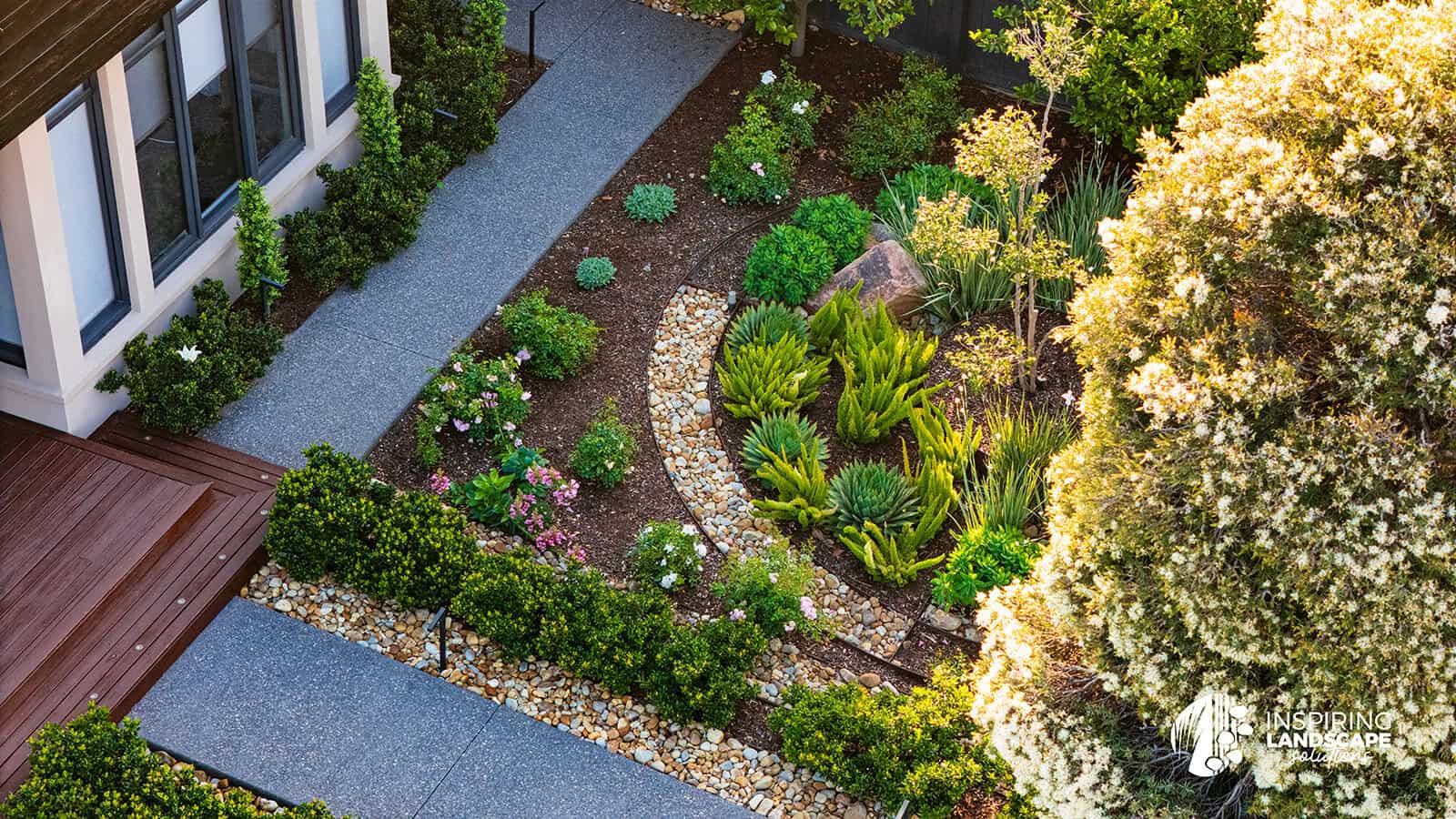
I often notice this when talking to someone about their garden.
They start by telling me what they want it to look like.
Perhaps they imagine beautiful planting, a generous entertaining area, a place to sit in the afternoon sun, or a garden that finally feels connected to their home.
Then, somewhere along the way, the conversation shifts to how you actually live, highlighting the importance of creating a garden that truly reflects your lifestyle and needs.
We start talking about where the family gathers and where you have your morning coffee. Where the children play and the dog races around. Where friends sit when they come over and where someone escapes with a book for an hour (or two).
Suddenly, the garden stops being something that looks good. It becomes somewhere they want to live in. That, to me, is where great outdoor landscape design begins.
At Inspiring Landscape Solutions, this people-centred approach shapes the gardens I design for Melbourne homes: personal spaces that bring together everyday living, thoughtful design and a connection to nature.

Outdoor Landscape Design That Works for Your Lifestyle
There’s a lot of conversation right now about gardens becoming extensions of the home. Outdoor kitchens. Lounge areas. Dining spaces. Shade structures. Garden rooms. Lighting. Low-maintenance planting.
These features often come up in client conversations, but designing around how people live has always been central to my work.
I’ve never believed a garden should be designed to look impressive from the kitchen window. It needs to work for the people who live there.
A beautiful outdoor dining area is wonderful, but is it comfortable and easy to use?
A stunning planting scheme is lovely, but how will it change with the seasons?
Large lawns might look fantastic, but do you really need all that grass?
A gorgeous entertaining space is one thing, but what happens when the sun moves around the garden?
These aren’t afterthoughts. They’re the starting point.
Personalised Landscape Design for Your Melbourne Home
When I start a landscape design, I want to get to know my clients just as well as I get to know their garden.
How do you like to spend time outdoors?
Do you love entertaining, or prefer a quiet coffee in the garden before work?
Do you have children who need space to play?
Would you like more privacy?
How do you enjoy your weekends?
Perhaps you’d love an outdoor kitchen, a dining area, a fire pit or simply a peaceful spot to sit and unwind.
How can the garden remain easy to move through and enjoyable as your needs change?
These questions matter because no garden is perfect on its own. Only one garden is right for you, your home, and the way you live. That philosophy has always shaped my landscape design work.
Understanding your priorities and construction budget early also helps me develop a coherent design, including a plan for staging the garden where needed.
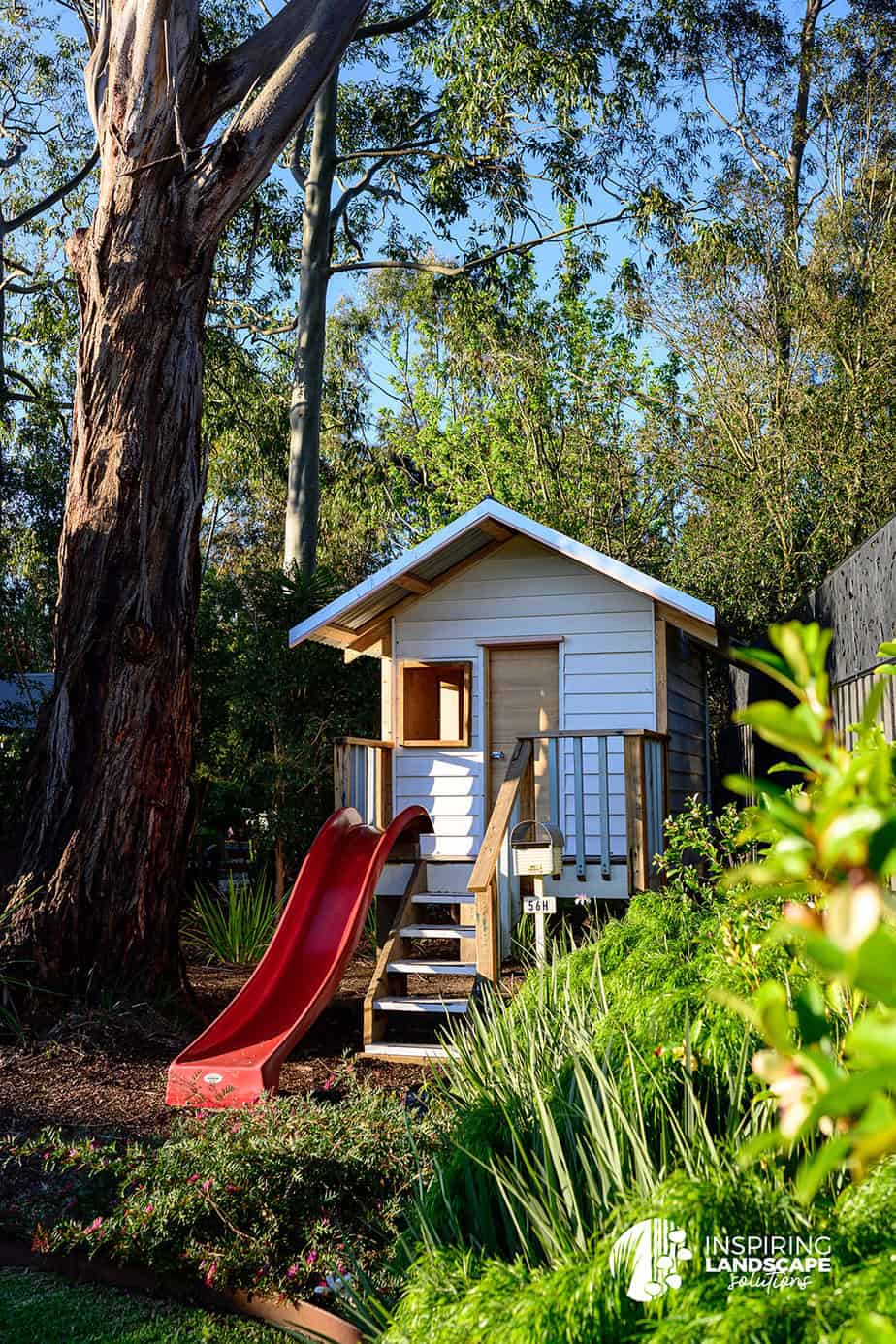

Creating a Seamless Connection Between Home and Garden
One thing I love about outdoor landscape design is the chance to blur the boundary between home and garden.
By this I don’t mean putting a sofa outside and calling it a day. The connection needs to feel natural.
Paving can pick up the colour or texture of materials used inside the home. Planting can soften hard architectural lines. A pergola can create shade and definition.
Lighting can extend the garden into the evening. A carefully positioned tree can frame a view or create a cooler place to sit.
For example, I’m drawn to clear structure and balanced spaces, softened by generous planting. The paving’s texture, the proportions of a garden bed, and how a path meets an entrance all shape the garden’s feel.
Suddenly, the garden feels less like a separate space and more like another room in the house. But unlike the rooms inside, this one is always changing.
The light shifts throughout the day. Plants flower, the seasons change, and birds come and go. Leaves fall, too, and sometimes the weather sends your carefully planned outdoor dinner back inside. That’s all part of the fun!
If you’re renovating your home, it’s worth thinking about the garden early. This helps you connect doorways, views, materials and levels, creating a natural flow between your home and outdoor space before building decisions are finalised.
Garden Planting Design: Beauty, Biodiversity and Year-Round Interest
Plants are one of the most important parts of any garden I design. They do more than look beautiful. They also shape how a garden feels and how well it works.
I love combining different planting layers, including trees, shrubs, grasses, perennials, and groundcovers. Each layer adds character and supports life in the garden.
Some plants add structure, while others create privacy or bring seasonal colour. Some attract birds and pollinators, while others provide shade and help keep the garden cool.
Supporting biodiversity is part of this approach. Where suited to the site, indigenous plants can help provide food and shelter for local wildlife, alongside other carefully selected plants.

A garden can offer habitat while still feeling composed, welcoming and personal.
I also consider the sensory experience: fragrant foliage beside a path, grasses moving in the breeze, and birdsong in the trees. These details invite you to pause and spend time outside.
The result is a garden that doesn’t reveal everything at once. It changes throughout the year.
Spring might bring flowers and new growth. Summer brings movement and pollinator activity. Autumn introduces changing foliage and seed heads, while winter reveals bark, structure, and the garden’s bones.
That’s much more interesting to me than designing something that peaks the day it is planted.

Low-Maintenance Garden Design for Melbourne Homes
Another conversation I’m having more and more with clients is about maintenance. And I completely understand why.
Most people want a beautiful garden. They don’t necessarily want to spend every Saturday maintaining it.
But creating a low-maintenance garden doesn’t mean
removing all of its personality. It means designing intelligently. Choose plants suited to the conditions. Allow enough space for their mature size. Repeat reliable structural plants.
Group plants with similar water and growing needs. Prepare the soil, and consider mulch, irrigation, and maintenance access.
The goal isn’t to make the garden lifeless. It’s to make it liveable.
Every living garden needs some care. The aim is to match that care to your time and interests, so your outdoor space becomes more rewarding as it matures. Designing for shade, comfort and the Australian climate.
Shade deserves much more attention than simply asking where to put an umbrella. Trees, pergolas and carefully considered structures can create cooler, more comfortable outdoor spaces while also shaping how the garden feels.
In Melbourne, where the weather can shift rapidly, designing for seasonal conditions helps you use your garden better year-round.
Where does the afternoon sun fall?
Will you need a shady spot to relax during summer?
How can the garden adapt when winter arrives?
Are there areas that need extra protection from the elements?
Finally, which plants will thrive in these conditions?
I would look for opportunities to retain suitable established trees while making room for new canopy, balancing summer shade with winter light.
Water matters too. Understanding how rainfall moves across the site helps inform levels, drainage and planting. Where conditions allow, permeable surfaces and planted areas can help water soak into the ground.
Designing for climate helps your garden feel more comfortable and welcoming, making outdoor time more enjoyable.
Good landscape design considers these things before the first plant goes into the ground. It’s much easier to design comfort into a garden than trying to add it later.
Outdoor Landscape Design That Stands the Test of Time
For me, landscape design brings these considerations together: how a garden looks, feels, and functions, and what it supports.
Every garden is a living environment, offering space to gather, a quiet spot to retreat, room for children to explore, and opportunities for birds to visit, plants to flourish, and people to slow down.

That’s the philosophy behind every landscape I design. I don’t design gardens to follow trends. I design them around people, place, nature, and how a garden needs to work now and for years to come.
Trends come and go.
A well-designed garden should give you something far more valuable: a space that keeps feeling right.

Planning a garden for your Melbourne home?
Whether you are rethinking an established garden or starting with a new space, an initial design consultation lets us discuss how you want your garden to look, feel, and function.
At Inspiring Landscape Solutions, I create personalised residential landscape designs that bring together beautiful planting, practical outdoor living and a connection to nature.
Get in touch to book your initial design consultation and explore the possibilities for your garden.
Our passion, your garden.




Leave a Comment