• Home
    Home
  • Main Portfolio
    Main Portfolio
  • MIFGS 2023
    MIFGS 2023
  • MIFGS 2024
    MIFGS 2024
  • About Us
    About Us
  • Our Process
    Our Process
  • Services
    Services
    • Custom Design
      Custom Design
      • Feng Shui Garden Design
        Feng Shui Garden Design
    • Design Implementation
      Design Implementation
    • Construction & Maintenance
      Construction & Maintenance
    • DIY – DesignedBliss4U
      DIY – DesignedBliss4U
    • Other Services
      Other Services
      • Staging for sale
        Staging for sale
      • Productive gardens
        Productive gardens
      • Rejuvenation projects
        Rejuvenation projects
  • Design Fees & Packages
    Design Fees & Packages
  • Media Publications
    Media Publications
  • Design Resources
    Design Resources
    • FAQs
      FAQs
    • Why use a designer?
      Why use a designer?
    • Ebooks & Videos
      Ebooks & Videos
    • Blog
      Blog
    • Before & After – Glen Waverley Garden Design
      Before & After – Glen Waverley Garden Design
    • Before & After – Blackburn Garden Design
      Before & After – Blackburn Garden Design
    • Before & After – Hawthorn Garden Design
      Before & After – Hawthorn Garden Design
    • Case study – Water Features
      Case study – Water Features
    • Case Study – Productive Garden Design
      Case Study – Productive Garden Design
    • Case study – Vertical Gardens
      Case study – Vertical Gardens
    • Case Study – Vegetable patches
      Case Study – Vegetable patches
    • Case Study – Soil testing
      Case Study – Soil testing
  • Contact Us
    Contact Us
  • Home
    Home
  • Main Portfolio
    Main Portfolio
  • MIFGS 2023
    MIFGS 2023
  • MIFGS 2024
    MIFGS 2024
  • About Us
    About Us
  • Our Process
    Our Process
  • Services
    Services
    • Custom Design
      Custom Design
      • Feng Shui Garden Design
        Feng Shui Garden Design
    • Design Implementation
      Design Implementation
    • Construction & Maintenance
      Construction & Maintenance
    • DIY – DesignedBliss4U
      DIY – DesignedBliss4U
    • Other Services
      Other Services
      • Staging for sale
        Staging for sale
      • Productive gardens
        Productive gardens
      • Rejuvenation projects
        Rejuvenation projects
  • Design Fees & Packages
    Design Fees & Packages
  • Media Publications
    Media Publications
  • Design Resources
    Design Resources
    • FAQs
      FAQs
    • Why use a designer?
      Why use a designer?
    • Ebooks & Videos
      Ebooks & Videos
    • Blog
      Blog
    • Before & After – Glen Waverley Garden Design
      Before & After – Glen Waverley Garden Design
    • Before & After – Blackburn Garden Design
      Before & After – Blackburn Garden Design
    • Before & After – Hawthorn Garden Design
      Before & After – Hawthorn Garden Design
    • Case study – Water Features
      Case study – Water Features
    • Case Study – Productive Garden Design
      Case Study – Productive Garden Design
    • Case study – Vertical Gardens
      Case study – Vertical Gardens
    • Case Study – Vegetable patches
      Case Study – Vegetable patches
    • Case Study – Soil testing
      Case Study – Soil testing
  • Contact Us
    Contact Us
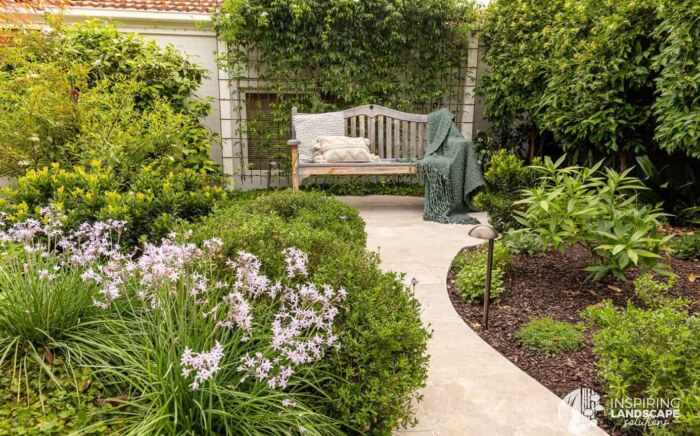
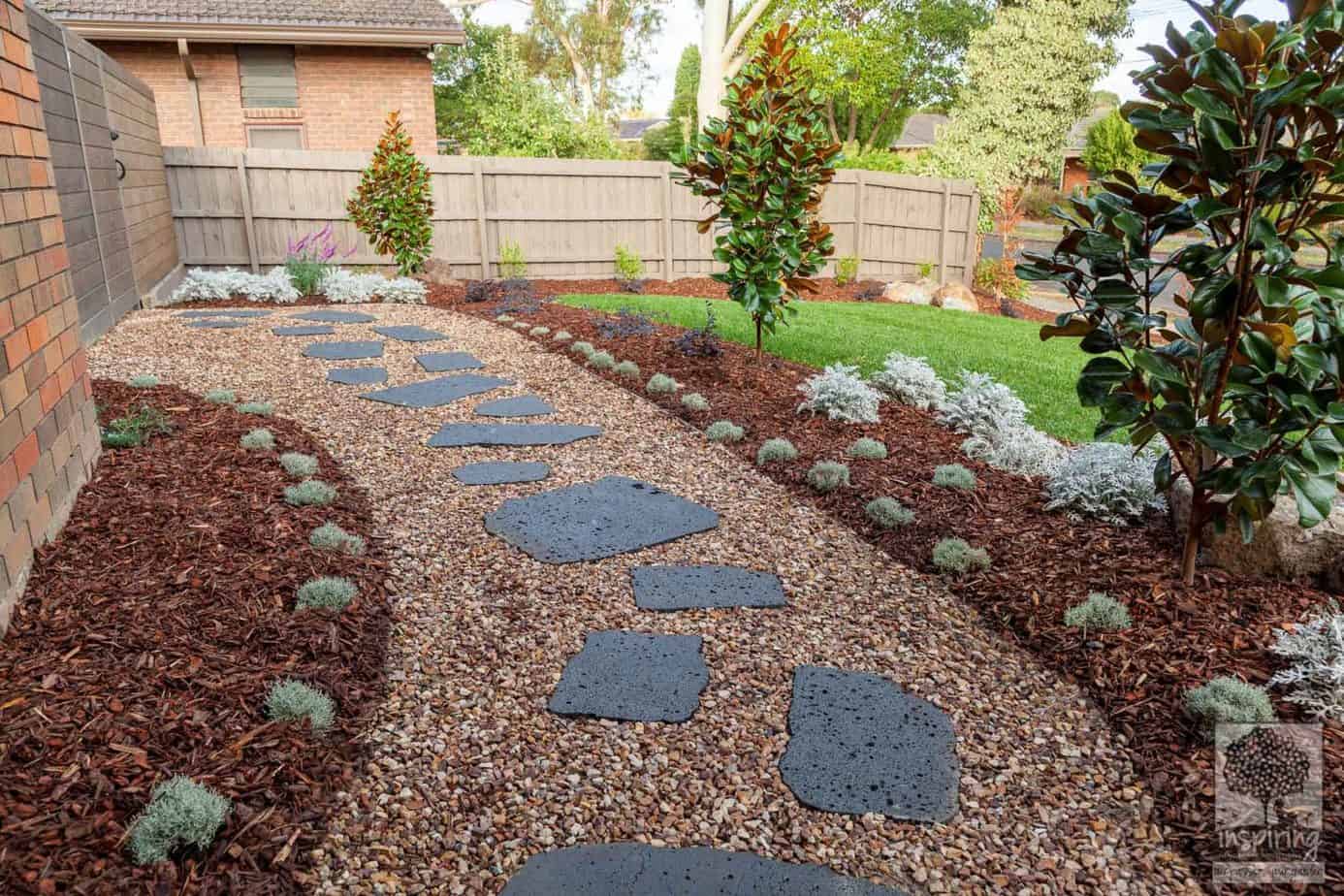
Bluestone cats paws pavers in Vermont South garden design

Ten Tips on How to Have a Flourishing Low Maintenance Garden

December 6, 2023
-
Budgeting, Garden, Gardening For Beginners, Gardens for Life, Irrigation, Landscaping, Maintenance, Paving, Plants, Pruning
-
No comments
-
Posted by Parveen

In the hustle and bustle of modern life, many yearn for a tranquil and lush outdoor space that doesn’t demand constant attention. A flourishing, low-maintenance garden is an achievable dream and a source of solace and beauty. However, this differs from a zero-maintenance garden, which does not exist!

You can create a garden that thrives with minimal effort with the right strategies. This allows you to enjoy nature without feeling overwhelmed. Here are ten tips to help you cultivate a flourishing, low-maintenance garden.
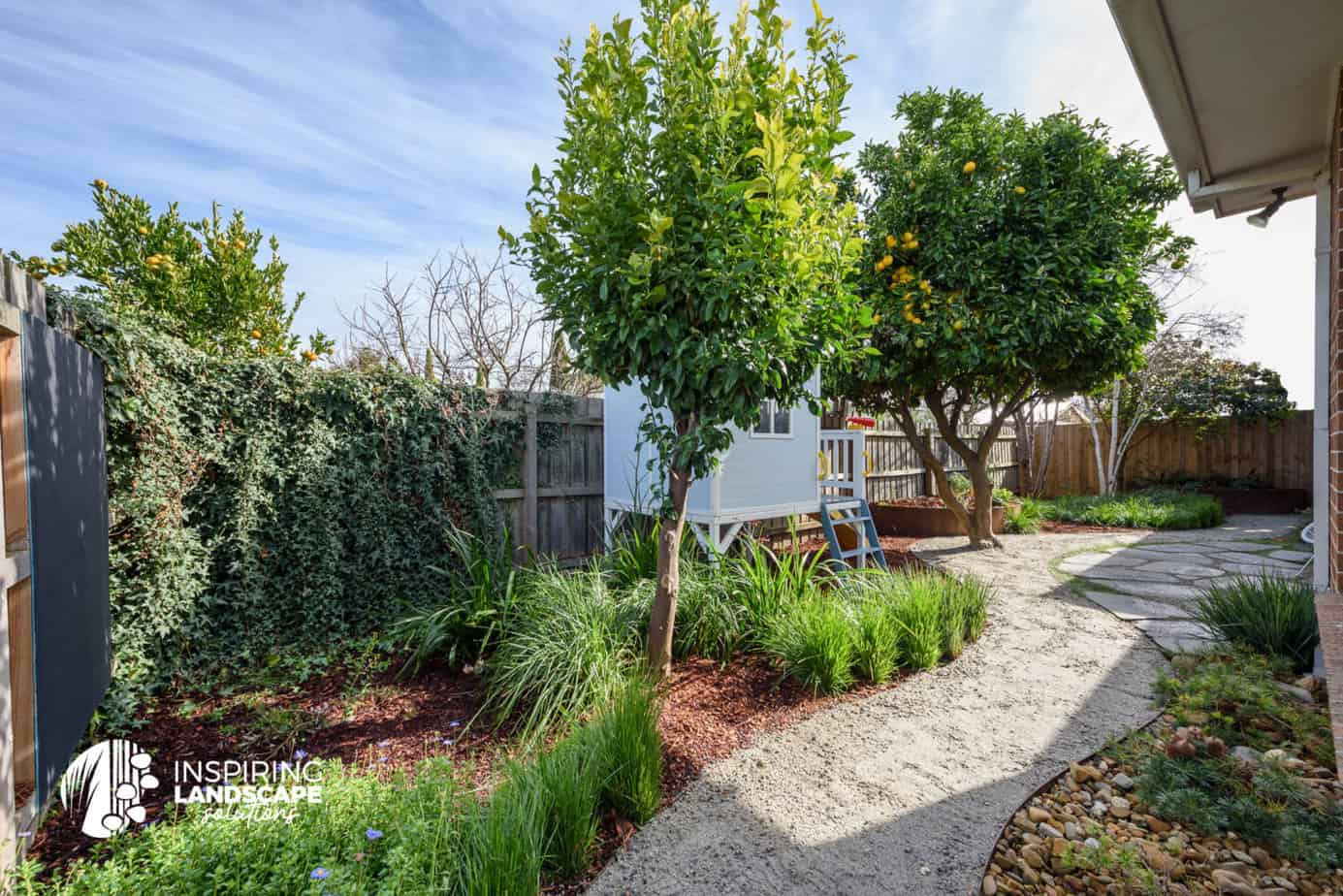
Serpentine pathway in Mulgrave garden design

Strategic Plant Selection

Many clients I’ve come across believe that plants add more maintenance time. It’s not by much and depends on the type of plants you’d like to put in your garden. Also, contrary to popular belief, you have similar maintenance challenges if you replace plants with grass or hardscaping.

Grass must be irrigated, fed, mowed, aerated, cut to the correct height and weeded. A shrub may or may not need pruning, but it needs irrigation, fertiliser (plant-dependent) and weeding around its base.

Hardscaped surfaces, whether concrete or natural stone, need to be pressure washed/cleaned and sealed, and you also need to ensure that the weeds don’t get in overtime as cracks do happen.  

Depending on your choice based on the above, you are simply trading one maintenance routine for another. That’s the point I’m trying to make. So, in my view, why not just choose a few right plants and have a good time with seasonality, inviting flora and fauna into the garden and maybe also cool your surroundings with a lovely looking shade tree?

Choosing the right plants is paramount to a low-maintenance garden in the long term. Again, the common misconception is that you can get that from the get-go. A garden needs time to establish. When you start a garden, there is an initial time and cost investment to get the garden going and firmly establish good maintenance routines, and then you will be surprised how that pays off in dividends in the long term. So, in short, it’s a little more heavy at the outset, but it does taper off over time!

Opt for native or drought-resistant species that are well-suited to your climate and require minimal or no pruning to keep it tidy. It would be best if you were realistic about what you can maintain and how you can let these plants thrive so that you make the right choices. Many people fall in love with a particular plant and must have it in their garden, but they need to be more realistic about how much upkeep that specific plant will have over time.  

Generally, a fruit tree requires more maintenance than a non-fruiting tree. You’ve also got to deal with the fruits, prune the trees accurately to get a good amount of fruit, and deal with excess fruit. It may be enjoyable for some people to have all of that, but it may not be for others, as it sounds like a lot of work!!

To select the right plants, consider those adapted to local conditions that tend to thrive with minimal intervention. Some aspects of care, such as irrigation, can be automated – taking the load off your hands so all you do is to check, say on an annual basis at least, that the actual infrastructure you put in place works. Understanding your plants’ sunlight and soil preferences is also crucial—place sun-loving plants in sunny spots and shade-loving ones in shaded areas. By respecting the natural inclinations of your plants, you reduce the need for constant adjustments and interventions.

Mulching Magic

Mulching is a game-changer for low-maintenance gardening. A layer of mulch around your plants helps retain soil moisture, suppresses weeds, and regulates soil temperature. Organic mulches like bark, straw, or compost enrich the soil as they break down, promoting a healthier ecosystem for your plants.  

Establish an annual routine to top up on the mulch, as this process can be outsourced. If you are inclined to save labour costs, that’s something that you can get friends and family to help with over the course of a day (for an average-sized property). Heat the BBQ for a treat for those you’ve roped in!

Mulch can protect your plants from heat stress
Landscape irrigation 13mm brown pipe

Efficient Irrigation Systems

As mentioned above, investing in an intelligent irrigation system can save time and water. Drip irrigation delivers water to the base of plants, minimising evaporation and reducing weed growth.

Timers can be set to water during the early morning or late evening, maximising absorption and minimising water waste. Watering deeply and less often encourages plants to develop deep root systems, making them more resilient to drought.

Grouping Plants By Watering Needs

Design your garden with an understanding of the water requirements of different plants. Grouping plants with similar watering needs together allows for more efficient irrigation. This way, you can avoid overwatering some areas while underwatering others, promoting a healthier, more balanced garden.

Many clients get stuck on this aspect, and that’s where you need to spend a lot of time figuring this out or simply get in touch with a garden designer or horticulturalist to suggest a good combination for your garden.

Aeonium patch in Brighton landscape design
Make Gardening Easy By Using Separate Containers and Pots

Use Smart Containers

Container gardening is an excellent option for those with limited time and space. Select containers that are lightweight and have built-in reservoirs or self-watering systems to reduce the frequency of watering.

Additionally, container gardens can be easily moved to optimise sunlight exposure or protect plants from harsh weather conditions.

Low-Maintenance Hardscaping

Incorporate hardscaping elements like stone pathways, decorative stones, and gravel or raised beds. It creates a visual interest while reducing the ground that needs tending. Not only do these features add aesthetic appeal, but they also minimise the areas where weeds can take root.

Less time spent weeding means more time enjoying your garden. Embrace simplicity and functionality in your design to make maintenance a breeze.

Front garden of Wantirna garden design with dwarf pink kangaroo paws
Maintenance is important in keeping up your garden style

Regular Maintenance Routine

While the goal is a low-maintenance garden, some upkeep is still necessary. Establish a simple routine, including deadheading spent flowers, pruning overgrown branches, and removing weeds.

Regular, small efforts can prevent more significant issues and keep your garden well-kept with minimal fuss.

Prune Thoughtfully

Regular pruning is essential for maintaining a tidy and healthy garden. Focus on removing dead or damaged branches and spent flowers. This enhances the overall appearance, promotes air circulation, and reduces the risk of diseases. Opt for plants that require minimal pruning, and use sharp, clean tools for the job.

Have a maintenance routine in place to spread the workload over time rather than feeling overwhelmed at the start of spring, when you start to feel like giving up as you had let the garden get out of hand over the colder months.

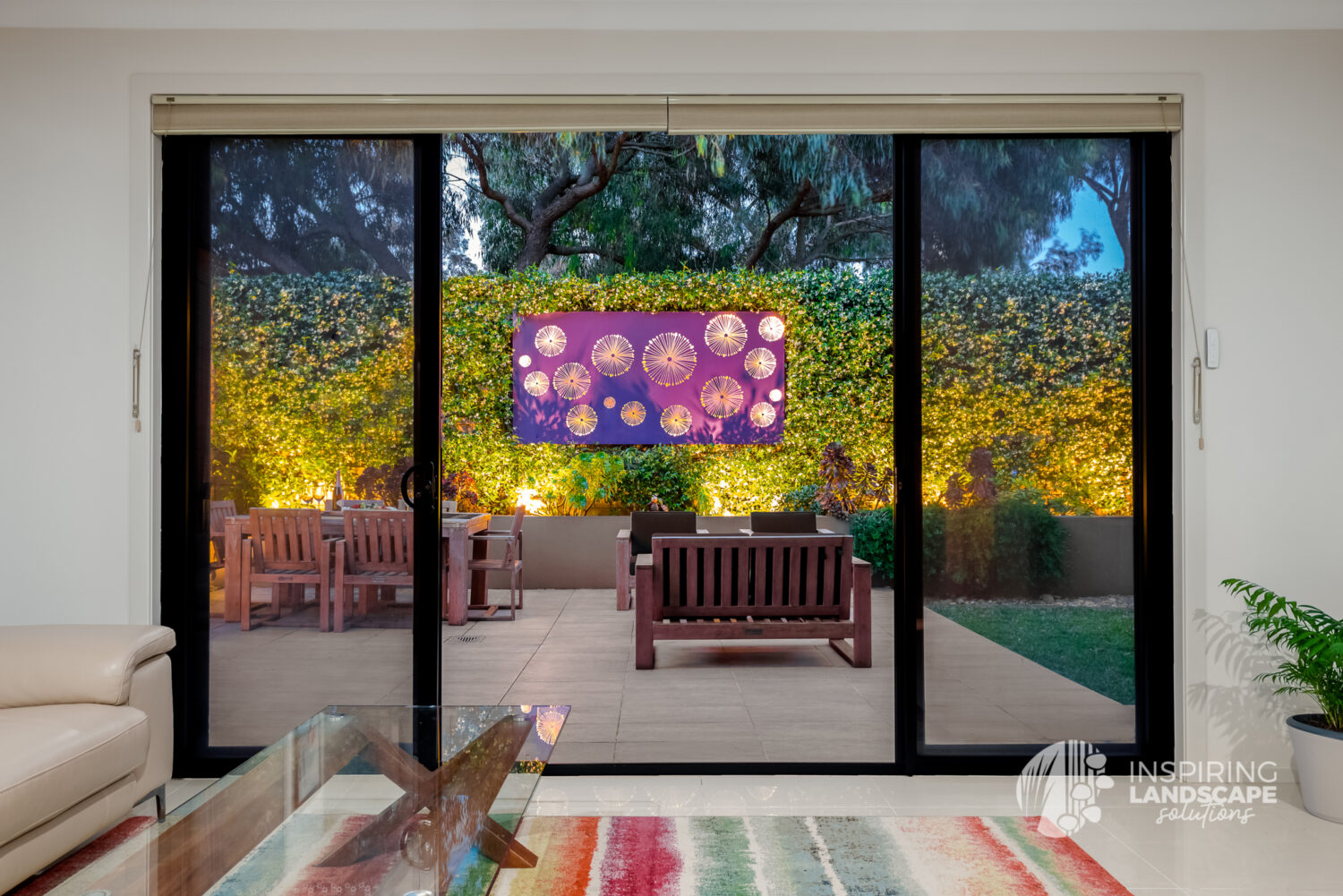
Prune and maintain your hedges
Night view of Wantirna garden design 6 years on

Outsourcing The Upkeep

It is best to outsource if you are not keen on maintenance. Set a budget and stick to it regularly as irregular maintenance unravels the garden.  Even simple gardens with a lot of grassed areas, hardscaping and pots need help regularly.  

Working through all the conflicting needs is a delicate balance – a pleasant garden versus finances, but if you think smartly about it, you’ll be able to work it out. 

Prioritise areas important to your feeling of being happy outdoors or that help with views from inside of your house and ensure that these areas are well looked after either by yourself or outsourced.

Composting For Soil Health

Healthy soil is the foundation of a flourishing garden. Instead of relying solely on chemical fertilisers, establish a composting system.

Compost improves soil structure, enhances water retention, and provides essential nutrients to your plants. It’s a sustainable and low-maintenance way to ensure the long-term health of your garden.
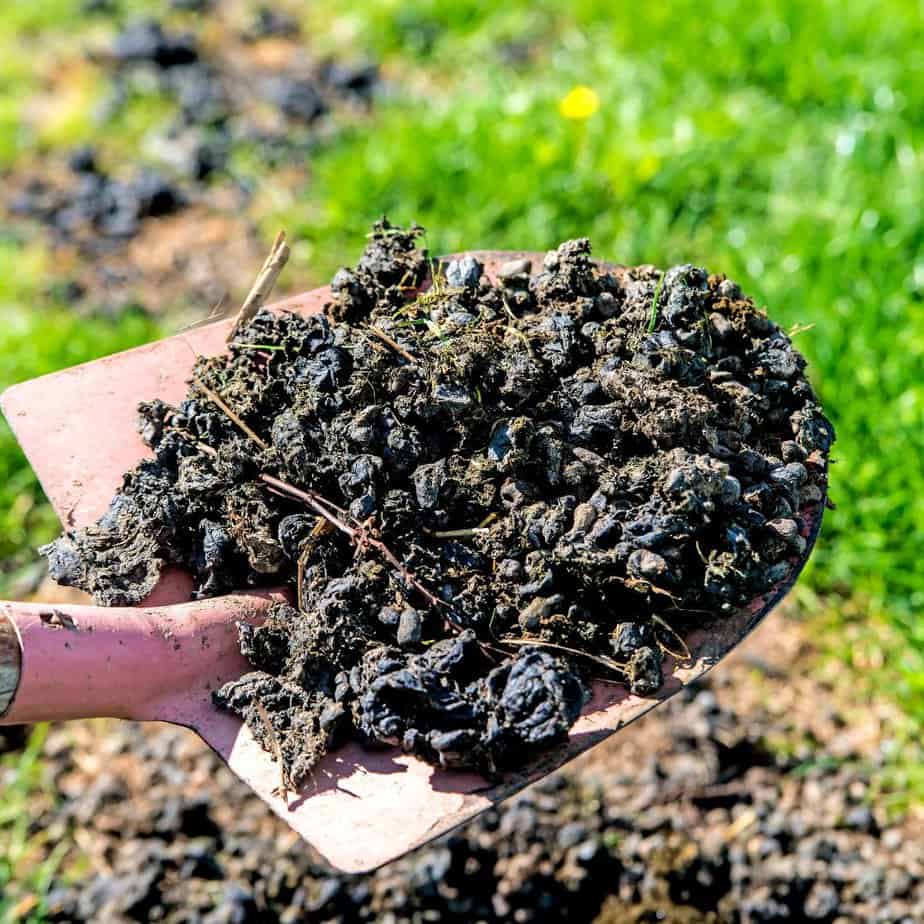
Use compost to increase the permeability of the soil
Basic soil pH testing by Inspiring Landscape Solutions

Minimal Fertilisation

Avoid over-fertilising your garden, which can lead to excessive growth and increased maintenance demands. Choose slow-release fertilisers or incorporate compost into the soil to provide a steady supply of nutrients. Conduct soil tests to determine specific deficiencies and adjust your fertilisation approach accordingly.

Creating a flourishing, low-maintenance garden is a rewarding endeavour that allows you to reap the benefits of nature without the constant demands of upkeep. By choosing the right plants, implementing clever watering practices, and embracing efficient garden design, you can cultivate a space that brings joy and tranquillity into your life. Remember, thoughtful planning goes a long way in creating a garden that thrives with minimal effort. With these ten tips, you’re well on your way to cultivating a haven of tranquillity in your backyard.

If you need further suggestions, design or plantscaping for indoors and outdoors, please contact us for an onsite 90 minute consultation.

Refer to our packages for further details on how we can help you in the consults and subsequently throughout your garden implementation process.

Our passion your garden! xx

Follow us on social media
  • Facebook
  • Instagram
  • Houzz
Email
PREVIOUS POST
Four Ways You Can Replace Your Lawn
NEXT POST
Five Ways To Fireproof Your Outdoor Area

Parveen

Recent Posts
  • Designing a Garden That Grows With You
  • What Summer Reveals About Your Garden (And How to Fix It)
  • Simple Garden Tips to Set Your Garden Up for 2026
  • Prediction – Landscape Garden Trends For 2026 in Australia
  • How to Create a Slow Living Garden
Instagram

inspiringlandscapes.com.au

🔥🌿 If a flower could look like its mid–fir 🔥🌿 If a flower could look like its mid–firework, this would be it.⁠
⁠
Meet Lotus Berthelotii, often called Parrot’s Beak, and yes, it’s just as dramatic as it sounds. With its wild, claw-shaped blooms, this plant brings serious wow-factor wherever it grows.⁠
⁠
The flowers come in fiery shades of red, orange, coral, and golden yellow, often glowing even brighter against their soft, silvery foliage. It’s the kind of plant that stops people mid-walk and makes them ask, “What is THAT?”⁠
⁠
As for where it grows best, pots are the winner. Lotus berthelotii loves excellent drainage and being admired up close, making it perfect for hanging baskets, raised pots, or spilling over the edges of containers. ⁠
⁠
While it can be planted in the ground in the right conditions, pots really let its trailing habit and colour shine.⁠
⁠
🌸 Bold, playful, and a little bit wild; this is one flower that doesn’t believe in blending in.⁠
⁠
👉 Would you go for fiery red or golden yellow?⁠
⁠
📸Lotus berthelotii flower in a pot, Fairfield
Tomorrow is ‘National Eucalypt Day’, and this Tomorrow is ‘National Eucalypt Day’, and this year’s theme is ‘Our Eucalypt Home’; and what a home it is! With over 900 species across Australia, eucalypts aren’t just trees; they’re entire ecosystems that form the backbone of our unique biodiversity.⁠
⁠
These incredible natives support countless species, from tiny insects in their bark crevices to birds nesting in their hollows, possums sheltering in their branches, and lizards basking on their trunks. ⁠
⁠
Their flowers provide nectar for birds, bats, and bees, while their seeds feed parrots and their leaves sustain everything from beetles to our beloved koalas. In fact, eucalypts are so vital that many Australian animals have evolved specifically to depend on them!⁠
⁠
Speaking of koalas, they’ve scored possibly the best real estate deal in nature. They live in eucalyptus trees because they’re basically the ultimate all-in-one apartment: bedroom, kitchen, and hideout rolled into one! ⁠
⁠
Koalas munch on eucalyptus leaves (eating up to a kilogram a day!) and barely need to come down for water since the leaves are so moisture-rich. Plus, those toxic oils that would make most animals sick? Koalas have a special digestive system that handles them like a champ. 🐨⁠
⁠
National Eucalypt Day aims to celebrate and raise awareness about these iconic trees and the critical role they play in Australia’s environment. It’s a reminder that protecting our eucalypts means protecting the incredible web of life they support.⁠
⁠
How you can get involved:⁠
🌱 Plant a native eucalypt in your garden⁠
📸 Share photos of your local eucalypts⁠
🚶 Take a nature walk and appreciate these trees up close⁠
💚 Support local conservation groups protecting eucalypt habitats⁠
📚 Learn about the different species in your area⁠
⁠
What’s your favourite Aussie eucalypt? The towering mountain ash? The iconic river red gum? Drop a 🌳 if you love our eucalypt home!⁠
Mount Waverley February ‘26 design. One massive Mount Waverley February ‘26 design. One massive exercise in crazy paving and experimenting with new ideas and plants! ⁠
⁠
Quite a challenging site with lots of water drainage issues, but the client’s done a lot of work investigating the problems and ways to address them, which is amazing and extremely helpful so that the design won’t be undone down the track!⁠

Ps there’s also a little bit of humorous fun happening with little story telling statuettes spread through the garden paths! 🥰
⁠
Can’t wait to get this implemented soon!!⁠ 💚💚💚
Think retaining walls are just practical? Think ag Think retaining walls are just practical? Think again.⁠
⁠
Retaining walls are often seen as purely structural, something you have to include if your block slopes. But when designed thoughtfully, they can completely transform a garden.⁠
⁠
They create levels. Define spaces. Add strength and structure. And when paired with the right materials and planting, they become a feature, not just a necessity.⁠
⁠
A well-designed retaining wall can:⁠
✔ Prevent erosion and manage drainage⁠
✔ Maximise usable space⁠
✔ Create beautiful tiered planting⁠
✔ Add architectural interest⁠
⁠
The difference between a retaining wall that feels heavy and one that feels intentional? Design.⁠
⁠
In our latest blog, we explore how retaining walls can elevate both the function and the aesthetic of your outdoor space, and why they should be considered early in the design process.⁠
⁠
👉 Read the full blog and see how retaining walls can reshape your garden for the better: https://inspiringlandscapes.com.au/retaining-wall/⁠
❤️🦜 Meet one of Australia’s most stylish ❤️🦜 Meet one of Australia’s most stylish locals, the Crimson Rosella.⁠
⁠
With its bold red feathers, flashes of blue, and almost painted-looking details, the Crimson Rosella looks like it belongs in an art gallery rather than perched on a fence. ⁠
⁠
These beauties are proudly native to Australia, and lucky for us, they’re often spotted in bushland, parks, and even suburban gardens.⁠
⁠
They’re not just easy on the eyes either. Rosellas are gentle, curious, and known for their soft whistles as they move through the trees. Spotting one usually means you’re in a healthy, well-balanced environment, a little reminder of how important green spaces are for our native wildlife.⁠
⁠
🌿 Next time you see a flash of red fly past, take a moment. It’s one of Australia’s natural icons, stopping by to say hello.⁠
⁠
📸 Mount Dandenong, Melbourne (very adorable to sit and eat with them being around you but please don’t feed them!!!)
Wow, autumn already?! 🍂 ⁠ ⁠ Autumn has a wa Wow, autumn already?! 🍂 ⁠
⁠
Autumn has a way of quieting everything down. The light softens, the air cools, and the garden seems to exhale. Leaves turn warm and rich, skies glow a little deeper, and suddenly the world feels more balanced; less hurried, more in tune.⁠
⁠
In the garden, autumn is where harmony truly shines. Plants settle into themselves, colours feel intentional rather than loud, and the changing light brings a gentle lustre that’s impossible to rush past. It’s a season that invites reflection, slowing down, and noticing beauty in transition.⁠
⁠
Maybe that’s why autumn feels so grounding. It reminds us that change doesn’t have to be chaotic; it can be calm, graceful, and deeply beautiful.⁠
⁠
🌿 Take a moment today to look up, breathe it in, and let the season do what it does best.⁠
🥕🌿 Raised veggie patches might look neat, bu 🥕🌿 Raised veggie patches might look neat, but they’re little productivity powerhouses that need the right care to keep thriving.⁠
⁠
The beauty of raised beds is control; better drainage, improved soil quality, and easier access (your back will thank you). But because they drain faster than in-ground gardens, they also dry out more quickly. ⁠
⁠
That means consistent watering is key, especially during warmer months. A deep soak less often is better than a light sprinkle every day.⁠
⁠
Healthy soil is everything in a raised veggie patch. Veggies are hungry plants, so topping up with compost, organic fertiliser, and a generous layer of mulch keeps nutrients cycling and moisture locked in. Think of it as feeding the soil, not just the plants.⁠
⁠
Regular harvesting also makes a difference. The more you pick, the more vegetables will produce. And don’t forget crop rotation: switching plant families each season helps prevent nutrient depletion and reduces pest and disease build-up.⁠
⁠
Weeding little and often saves you from a jungle later on, and keeping airflow between plants helps reduce fungal issues.⁠
⁠
A well-maintained raised veggie patch doesn’t just grow food; it grows flavour, satisfaction, and that unbeatable feeling of stepping outside to pick dinner straight from the garden.⁠
⁠
🌱 What’s growing in your veggie patch right now?⁠
⁠
📸Project Detail: Upper Ferntree Gully Project 2025-2026⁠
📸 1 - Veggie patch on installation⁠
📸 2 - Veggie patch all lush with produce!⁠
📸 3 - Yummy fresh lettuce, my lovely client gifted me! 💚⁠
⁠
🌺🔥 Red nasturtiums are the rebels of the gar 🌺🔥 Red nasturtiums are the rebels of the garden, and we love them for it.⁠
⁠
Bright, bold, and impossible to ignore, red nasturtiums don’t politely blend in… they burst onto the scene. Their fiery blooms weave through garden beds, spill over edges, and trail from pots as if they owned the place. And honestly? They do.⁠
⁠
But here’s the fun part, they’re not just pretty faces. Nasturtiums are edible (yes, really!). Their peppery leaves and flowers can be tossed into salads for a splash of colour and a little zing. Beauty and bite? That’s a win.⁠
⁠
They’re also wonderfully easy-going. Give them some sun, reasonably well-drained soil, and they’ll happily scramble and spread, softening hard edges and filling gaps with effortless charm.⁠ There’s something joyful about them; a little wild, a little untamed, and full of personality.⁠
⁠
If your garden needs a shot of confidence and colour, red nasturtiums might be the spark it’s been waiting for 🌿🔥⁠
⁠
📸Project Detail: Nasturtiums, Glen Iris Project
When we think about adding colour to our gardens, When we think about adding colour to our gardens, most of us go straight to the bold stuff; the colours that pop. Fiery reds. Punchy oranges. Sunshine yellows.⁠ Or we lean the other way: soft pastels, calming blues, dreamy purples that create that relaxed, exhale kind of feeling.⁠
⁠
But here’s a little secret. One of the most underrated colours in the garden is actually white, and even silver. 🤍✨⁠
⁠
White and silvery tones don’t shout for attention. They glow. They soften. They reflect light. They create contrast and elegance without overpowering the surroundings. ⁠Suddenly, the whole space feels fresher, lighter, and just a little bit more refined.⁠
⁠
Take this miscanthus, for example. It’s practically a feature plant all on its own, don’t you think? Soft and feathery, yet somehow it brings drama and glamour at the same time. It catches the light, moves beautifully in the breeze, and adds texture that’s impossible to ignore.⁠
⁠
Proof that sometimes the quietest colours make the biggest impact. Would you consider adding more white or silver to your garden palette?⁠
⁠
📸Project detail: Miscanthus, Glen Iris Project
🎨🌿 Who says gardens have to be serious all t 🎨🌿 Who says gardens have to be serious all the time?⁠
⁠
Yes, structure matters. Yes, plant selection is important. But sometimes a garden just needs something that makes you smile.⁠
⁠
A cheeky sculpture tucked between the plants. A whimsical metal bird peeking out from behind a hedge. A colourful mural that catches you off guard. Artwork in the garden adds personality, and sometimes a little bit of mischief.⁠
⁠
Gardens are places we escape to. So why not include pieces that make you laugh, spark conversation, or remind you not to take life too seriously? ⁠
⁠
The contrast between soft greenery and bold, unexpected art creates magic. It turns a beautiful garden into a memorable one.⁠
⁠
🌸 Because if your garden can make you pause and grin, it’s doing more than growing; it’s living. I know I had a good laugh and enjoyed this artwork! Would you?⁠
⁠
📸Playground, Paradise Country, Gold Coast - 🐑 Shaun the Sheep artwork⁠ 🐑⁠
🌿 What if your garden didn’t need to be finis 🌿 What if your garden didn’t need to be finished, just flexible?⁠
⁠
Life doesn’t stand still, and neither should your garden. The most successful outdoor spaces aren’t designed for one perfect moment in time; they’re designed to grow with you. ⁠As routines change, families evolve, and seasons roll on, a thoughtful garden adapts quietly in the background.⁠
⁠
Designing a garden that grows with you is about strong foundations, not rigid plans. It’s choosing structure that lasts, plants that mature gracefully, and spaces that can shift in purpose without needing a full redesign. ⁠
⁠
A lawn that becomes a retreat. A play space that softens into a garden room. A planting palette that gets better, not harder, with time.⁠ This approach takes the pressure off. Less chasing trends. Less reworking. More ease, longevity, and connection to how you actually live.⁠
⁠
We dive deeper into this idea in our latest blog: Design a Garden That Grows With You 🌱 https://inspiringlandscapes.com.au/designing-a-garden-that-grows-with-you/⁠
⁠
Read our blog and start thinking about your garden as something that evolves alongside you, season after season.⁠
There’s something deeply comforting in this thou There’s something deeply comforting in this thought. Trees quietly witness every chapter of our lives; they stand through beginnings and endings, through growth, loss, joy, and change. ⁠Just like us, they’re never truly still. They grow, shed, rest, and begin again.⁠
⁠
Changing leaves remind us that transformation is not only natural but necessary. That beauty exists in every phase: the fresh green of spring, the fullness of summer, the golds of autumn, and the quiet strength of winter branches. Our lives move in much the same way.⁠
⁠
In gardens, trees ground us. They offer shade, shelter, and a sense of continuity in a world that’s always shifting. They remind us that while moments pass, something steady can still exist alongside change.⁠
⁠
🌿 Maybe that’s why we’re drawn to them; they mirror our own journeys, season by season.⁠
😄 Indoor plants are low drama, until they’re 😄 Indoor plants are low drama, until they’re not.⁠
⁠
One minute, they’re thriving, the next, they’re dropping leaves like they’re making a statement. The good news? Most indoor plants want a little consistency, not perfection.⁠
⁠
💧 Water when the soil needs it, not when you remember it⁠
☀️ Light matters more than you think (yes, even for “low-light” plants)⁠
🍃 Dusty leaves = unhappy plants, so give them a gentle wipe now and then⁠
🪴 Rotate pots occasionally so they don’t lean like they’re chasing the sun⁠
🌱 And remember: over-loving is a thing; too much water is the #1 plant killer⁠
⁠
Indoor plant care isn’t about getting it right all the time. It’s about learning their quirks, noticing small changes, and adjusting as you go.⁠
⁠
👉 Which plant in your house is thriving, and which one are you still negotiating with?⁠
⁠
📸 Shopping mall in Central Phuket, Thailand
😄 The only thing that should be slippery is the 😄 The only thing that should be slippery is the slide (not the situation).⁠
⁠
Cubby houses are serious business in the backyard — especially when there’s a slide involved. A little TLC keeps the fun flowing and the scraped knees to a minimum.⁠
⁠
✨ Give it a spa day: Dirt, sunscreen, and mystery stickiness build up fast. A quick wash with mild soap keeps slides fast but friendly.⁠
☀️ Hot slide alert: Summer sun can turn slides into lava. A shade sail or a well-timed play session saves the “ouch!”⁠
🔩 Wiggle check: If it wobbles, squeaks, or rattles, it’s time to tighten things up.⁠
🍃 Clear the landing zone: Leaves, mulch, and bark at the bottom can turn a graceful exit into a dramatic dismount.⁠
🛠️ Look for battle scars: Fading, cracks, or rough bits are signs the slide’s ready for a repair (or retirement).⁠
⁠
A few quick checks = hours of carefree fun, big laughs, and peace of mind for grown-ups.⁠
⁠
👉 When did you last give your cubby house a once-over?⁠

⁠
📸Narre Warren project detail⁠
🌹✨ Meet the rose that doesn’t ask for const 🌹✨ Meet the rose that doesn’t ask for constant attention.⁠
⁠
This groundcover rose is proof that roses don’t have to be high-maintenance divas. Specifically bred to be highly resistant to fungal diseases that commonly affect roses, this variety is all about strong performance with minimal fuss.⁠
⁠
Give it a good start: proper pruning, the right feed, consistent water, and a good layer of compost and of mulch, and it rewards you by largely looking after itself. ⁠
⁠
Once established, this plant lushens up beautifully, into a lovely bush with healthy foliage and generous colour while keeping maintenance refreshingly simple.⁠
⁠
Perfect for softening edges, cascading over retaining walls, or filling larger areas with ease, these roses bring romance and reliability to the garden.⁠
⁠
👉 Thinking about adding a low-maintenance rose to your garden? Have a good with this one! 🌹⁠
⁠
📸 Murrumbeena project detail
These stunning images and Simon’s review are fro These stunning images and Simon’s review are from my Mooroolbark project. It’s quite large and is being completed over a couple of years.⁠
⁠
“I’m genuinely grateful for the entire design journey; it’s been a pleasure from the first ideas through to seeing it come together”. - Simon Taylor⁠
⁠
Working with such wonderful clients has made the process especially rewarding, and collaborating with a landscaping team that is not only highly skilled but also ethical, supportive, and truly collaborative has made it an exceptional experience all-round. ⁠
⁠
I’m also excited to continue watching the design come alive through the remaining phases of the project over the coming years. ⁠
⁠
I look forward to one day sharing this garden with family, friends, and fellow garden enthusiasts as part of an Open Gardens Victoria event, when it’s fully lush and beautifully mature.⁠
⁠
Parveen 💚⁠
🌿🕊️ Where remembrance is held gently by th 🌿🕊️ Where remembrance is held gently by the garden.⁠
⁠
ANZAC Square is more than a place you pass through; it’s a place you pause. Set beside the Dunedin Railway Station, its carefully considered gardens play a quiet but influential role in how we experience this space of remembrance.⁠
⁠
The lawns, trees, and seasonal plantings soften the surrounding stone and structure, creating a sense of calm and reflection. Gardens here aren’t decorative; they’re purposeful. ⁠
⁠
They offer a place to slow down, to remember, and to feel connected to history in a way that words or monuments alone can’t consistently achieve.⁠
⁠
Green spaces like this remind us that remembrance doesn’t have to be loud. It can live in stillness, in living plants that grow and change with time, symbolising continuity, resilience, and respect. ⁠
⁠
The gardens invite people to sit, reflect, and carry those moments with them long after they leave.⁠
⁠
🌱 ANZAC Square shows us how landscape and memory work hand in hand; using nature to honour the past while grounding us in the present.⁠
⁠
⁠📸ANZAC Square, Dunedin ⁠
☀️🌿 “Summertime is always the best of wha ☀️🌿 “Summertime is always the best of what might be.”⁠
⁠
Summer carries possibility in the air. Longer days, warmer evenings, and that familiar feeling that anything could happen, or at least slow down enough to be noticed. It’s the season where plans feel lighter, conversations last longer, and time spent outdoors feels effortless.⁠
⁠
In the garden, summertime shows us potential at its fullest. Plants are thriving, spaces are being lived in, and moments are made almost without trying. It’s where memories form quietly: barefoot walks, shared meals, golden light at dusk; all wrapped up in the promise of what might be.⁠
⁠
Maybe that’s why summer feels so hopeful. It reminds us to enjoy what’s here, while still dreaming of what’s ahead.⁠
⁠
🌱 Here’s to soaking up the season, one warm moment at a time.⁠
🌾✨ A great garden isn’t just something you 🌾✨ A great garden isn’t just something you look at, it’s something you feel.⁠
⁠
Movement is one of the most underrated elements in garden design. The way ornamental grasses sway in the breeze, leaves rustle overhead, water gently ripples, or light shifts across a space throughout the day, these moments bring a garden to life.⁠
⁠
Movement adds rhythm, softness, and calm. It slows us down. It draws our attention. And it creates gardens that feel immersive rather than static. ⁠
⁠
Whether it’s through plants, water features, or even the way pathways guide you through a space, movement shapes how a garden is experienced, not just how it looks.⁠
⁠
We’ve explored this idea in our latest blog “Movement in the Garden” 🌿⁠
⁠
👉 Read the blog below and discover how thoughtful movement can transform the way your garden feels every single day: https://inspiringlandscapes.com.au/movement-in-the-garden/⁠
🧡✨ Roses are lovely… but orchids? Orchids t 🧡✨ Roses are lovely… but orchids? Orchids tell a love story that lasts.⁠
⁠
Orchids are the ultimate Valentine’s Day flower for when you want to give something a little more meaningful. They symbolise love, beauty, strength, and luxury; all wrapped up in a bloom that doesn’t fade after a few days.⁠
⁠
Unlike a traditional bouquet, orchids keep flowering long after Valentine’s Day has passed. They’re elegant, sculptural, and quietly romantic, making them perfect for someone who appreciates beauty with depth. ⁠
⁠
Every new bloom feels like a reminder of the moment they were given; thoughtful, intentional, and enduring.⁠
⁠
They also suit any kind of love story. Modern or classic. Bold or understated. Orchids don’t shout, they captivate.⁠
⁠
🧡 This Valentine’s Day, skip the expected and give a flower that keeps saying “I love you” long after the chocolates are gone.⁠
⁠
👉 Would you choose an orchid over roses?⁠
⁠
⁠📸Orchids from my Glen Iris project
Follow on Instagram
Archives
  • March 2026
  • February 2026
  • January 2026
  • December 2025
  • November 2025
  • October 2025
  • August 2025
  • July 2025
  • June 2025
  • May 2025
  • April 2025
  • March 2025
  • January 2025
  • November 2024
  • October 2024
  • September 2024
  • July 2024
  • June 2024
  • May 2024
  • April 2024
  • February 2024
  • January 2024
  • December 2023
  • November 2023
  • September 2023
  • August 2023
  • July 2023
  • June 2023
  • May 2023
  • April 2023
  • March 2023
  • December 2022
  • November 2022
  • October 2022
  • July 2022
  • June 2022
  • April 2022
  • March 2022
  • January 2022
  • December 2021
  • September 2021
  • August 2021
  • July 2021
  • May 2021
  • April 2021
  • March 2021
  • February 2021
  • January 2021
  • December 2020
  • November 2020
  • October 2020
  • September 2020
  • August 2020
  • July 2020
  • June 2020
  • May 2020
  • April 2020
  • March 2020
  • February 2020
  • January 2020
  • December 2019
  • November 2019
  • October 2019
  • September 2019
  • August 2019
  • July 2019
  • June 2019
  • May 2019
  • April 2019
  • March 2019
  • February 2019
  • January 2019
  • December 2018
  • November 2018
  • October 2018
  • September 2018
  • August 2018
  • July 2018
  • June 2018
  • May 2018
  • April 2018
  • March 2018
  • February 2018
  • January 2018
  • December 2017
  • November 2017
  • October 2017
  • September 2017
  • August 2017
  • July 2017
  • June 2017
  • May 2017
  • April 2017
  • March 2017
Categories
  • Animals
  • Arbour
  • Architects
  • Art
  • Australian Natives
  • Balcony Gardens
  • Biophilia
  • Birds
  • Blog
  • Budgeting
  • Children
  • Colour
  • Colour and Scent
  • Construction
  • Decking
  • Design
  • Edibles
  • Feng Shui
  • Flower and Garden Shows
  • Flowers
  • Garden
  • Garden and Landscaping Trends
  • Garden Design
  • Gardening For Beginners
  • Gardens for Life
  • Health
  • Home
  • Home office
  • Irrigation
  • Landscape Design
  • Landscaping
  • Lawn
  • Maintenance
  • Materials
  • Nature
  • Outdoor Entertaining
  • Paving
  • Plant collectors
  • Plants
  • Productive gardening
  • Productive gardens
  • Propagation
  • Pruning
  • Scented gardens
  • Seasonal tips
  • Site surveys
  • Soil pH
  • Staging for sale
  • Structures
  • Sustainable Gardening
  • Uncategorized
  • Water Features
  • Weather
  • Wildlife

Leave a Comment

Your feedback is valuable for us. Your email will not be published.
Cancel Reply

Please wait...
Submit Comment →

Related News

Other posts that you should not miss
Family planting flowers in their garden

Designing a Garden That Grows With You

March 2, 2026
-
Posted by Parveen
One of the biggest misconceptions about garden design is that a garden should feel finished. Perfectly styled. Locked in. Done. In reality,…
Read More →
Australian Natives, Children, Construction, Design, Flowers, Garden, Garden Design, Gardens for Life, Irrigation, Landscaping, Lawn, Maintenance, Outdoor Entertaining, Plants, Seasonal tips, Sustainable Gardening, Uncategorized, Weather
8 MIN READ
View of kids cubby and main vege patch area in Blackburn landscape design by Parveen Dhaliwal

What Summer Reveals About Your Garden (And How to Fix It)

February 3, 2026
-
Posted by Parveen
Summer has a funny way of telling the truth. When the heat lingers, the sun is relentless, and outdoor spaces are used…
Read More →
Australian Natives, Decking, Design, Edibles, Flowers, Garden, Garden Design, Gardening For Beginners, Gardens for Life, Irrigation, Landscape Design, Landscaping, Lawn, Maintenance, Outdoor Entertaining, Plants, Seasonal tips, Uncategorized, Weather
8 MIN READ
Memorial Drive NW

Simple Garden Tips to Set Your Garden Up for 2026

January 2, 2026
-
Posted by Parveen
The beginning of a new year often brings a quiet moment of reflection, and for many of us, that reflection naturally extends…
Read More →
Design, Garden, Garden Design, Gardens for Life, Irrigation, Landscape Design, Maintenance, Materials, Plants, Sustainable Gardening, Uncategorized
8 MIN READ

Follow us on social media

  • Facebook
  • Instagram
  • Houzz

ACN: 617 529 914

contact +614 0332 9128

contact@inspiringlandscapes.com.au

 
Ten Tips on How to Have a Flourishing Low Maintenance Garden - Inspiring Landscape Solutions